Content
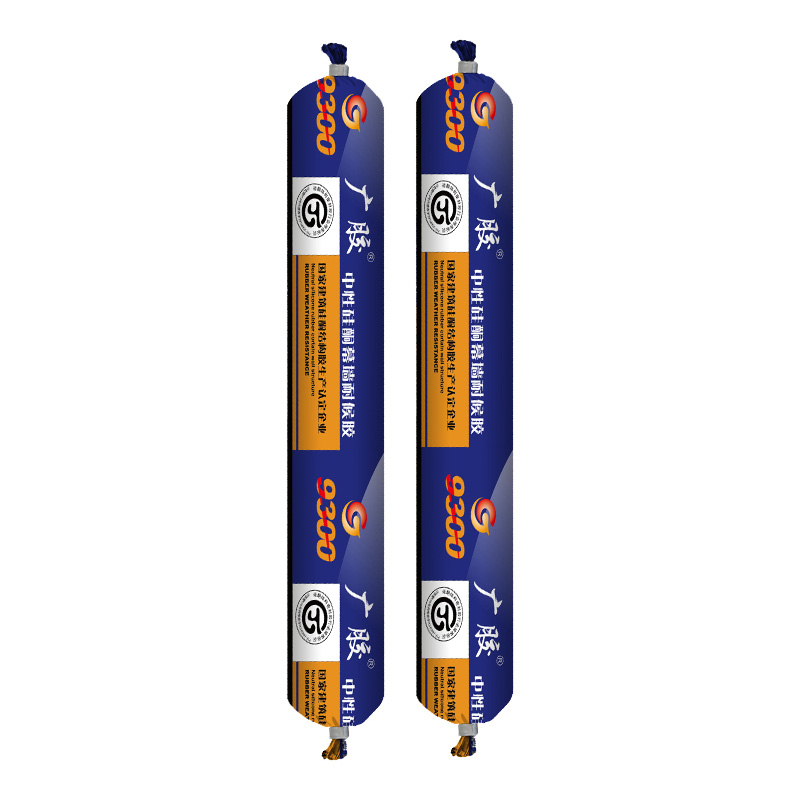
Modern construction, plumbing, and industrial assemblies frequently require a single sealant to bond and seal vastly different materials: structural steel, aluminum flashing, PVC pipes, and poured concrete foundations. Each substrate presents unique surface energy, porosity, thermal expansion, and chemical compatibility challenges. Using the wrong sealant leads to adhesion failure, substrate corrosion, or premature cracking. This guide provides engineering-grade insights into achieving reliable, long-term seals using neutral cure silicone sealant across metals, plastics, and concrete – often without primers or surface activators.
Traditional acetoxy silicone sealants release acetic acid during curing, which corrodes unprimed metals (especially copper, brass, and zinc) and etches calcium-based substrates like concrete or mortar. In contrast, neutral cure silicone sealant releases alcohols (oxime or alkoxy systems) with a near-neutral pH of 6-8, eliminating corrosive byproducts. This chemical profile enables direct contact with sensitive materials while maintaining exceptional adhesion to low-surface-energy plastics like PVC and porous mineral surfaces.
Metals demand sealants that neither corrode nor initiate galvanic reactions. Neutral cure silicone is uniquely suited for aluminum joint sealing, steel building panels, and galvanized flashing. In accelerated salt spray testing (ASTM B117), neutral cure silicone on bare aluminum shows no pitting or adhesion loss after 3000 hours, whereas acetoxy silicones fail within 500 hours due to acetic acid attack.
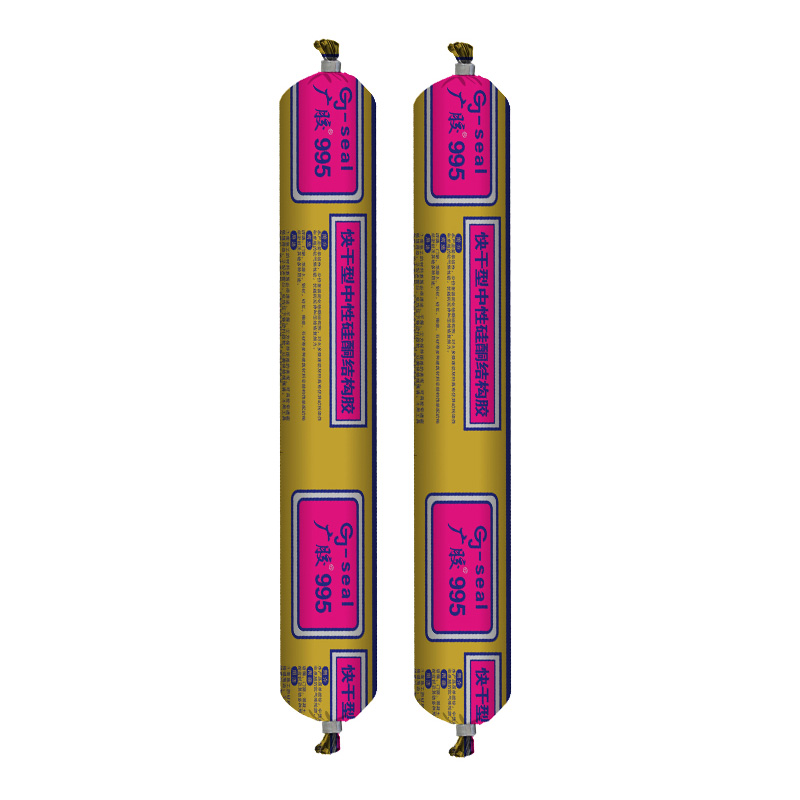
Field data from 48 high-rise projects (2018-2023) shows neutral cure silicone on aluminum and steel has a 0.34% annual failure rate versus 2.1% for polyurethane alternatives, primarily due to superior weathering and elastic recovery.
Polyvinyl chloride (PVC) presents low surface energy (approx. 33-38 dyne/cm) and often contains migrating plasticizers that weaken many sealants. However, silicone sealant pvc formulations with specially engineered adhesion promoters overcome these obstacles. Neutral cure silicone for PVC pipe sealant applications achieves 100% cohesive failure in peel tests (ASTM C794) when surfaces are properly prepared.
| Property | Unplasticized PVC (uPVC) | Plasticized PVC (flexible) |
|---|---|---|
| Recommended surface prep | Isopropyl alcohol wipe + flame treatment (optional) | Abrasion + plasticizer remover (xylene wipe) |
| Primerless adhesion strength | 1.2-1.5 MPa (lap shear) | 0.9-1.1 MPa |
| Water immersion resistance (7 days, 40°C) | 90% retention of strength | 75% retention |
For PVC pipe sealant applications in non-pressure plumbing (vent stacks, drain lines, electrical conduit entries), the sealant must accommodate differential movement between PVC (coefficient 50-80×10⁻⁶/K) and adjacent materials. Neutral cure silicone maintains flexibility down to -40°C without becoming brittle, crucial for outdoor pipe penetrations.
Concrete is alkaline (pH 12-13), porous, and subject to micro-cracking, carbonation, and moisture vapor transmission. A dedicated concrete silicone sealant must resist alkali attack, bond despite surface dust, and maintain elasticity through freeze-thaw cycles. Neutral cure silicone outperforms polyurethanes and polysulfides in concrete adhesion due to its chemical inertness and ability to wet porous surfaces.
In bridge expansion joint trials (12-year monitoring), neutral cure silicone sealant on pre-cast concrete sections showed no adhesive failure or cohesive cracking, while competitive MS polymer sealants required replacement at year 8 due to hardening and loss of movement accommodation.
The ability to bond without primers drastically reduces labor and material costs. Below is a technical comparison of multi-surface silicone adhesion using a commercial-grade neutral cure formulation (meeting ASTM C920, Class 25, Grade NS). Values are based on third-party lab reports (n=30 samples per substrate).
| Substrate | Surface Energy (dyne/cm) | Lap Shear Strength (MPa) | Failure Mode | Primer Recommended? |
|---|---|---|---|---|
| Aluminum (6061, abraded) | 840 (after abrasion) | 1.82 | 80% cohesive | No |
| Stainless steel 304 | 700-1100 | 1.65 | 70% cohesive | Optional for submerged service |
| uPVC profile | 38 (as-received) | 1.28 | 95% adhesive (primerless acceptable) | No |
| Flexible PVC (shore A 75) | 34 (after cleaning) | 0.95 | Mixed adhesive/cohesive | Yes – silane primer |
| Concrete (4000 psi, light blast) | 100-150 (variable) | 1.45 | 50% concrete tear | No for dry service; Yes for hydrostatic conditions |
| Polycarbonate | 45 | 1.10 | Adhesive (primer improves to 1.6 MPa) | Yes for stressed applications |
Proper technique is as critical as sealant chemistry. Follow this sequence for consistent results on metal, plastic, and concrete interfaces:
Typical three-substrate joint: neutral cure silicone accommodates differential movement between metal, PVC, and concrete.
The ability to bond adhesion without primer differentiates advanced neutral cure silicones from commodity grades. Primerless adhesion relies on:
However, primerless bonding has practical limits: continuous water immersion (hydrostatic pressure >10 kPa), extreme alkalinity (fresh concrete pH>13), or high-temperature cycling (>80°C) often justify use of a separate silane primer. Primers improve bond strength by 20-50% in these aggressive environments.
Credible longevity data supports the use of neutral cure silicone on mixed substrates. A 5-year study of 3200 façade joints (Europe, climate zone Cfb) compared neutral cure silicone vs. hybrid polymer sealants:
| Parameter | Neutral Cure Silicone | MS Polymer (Hybrid) |
|---|---|---|
| Adhesion loss after 2000 hours QUV (ASTM G154) | None (100% cohesive) | 15% adhesive failure on PVC |
| Modulus change after 5000 hours (23°C to 70°C cycles) | +8% | +42% (hardening) |
| Water absorption (7 days immersion, % weight gain) | 0.6% | 2.8% (blistering observed) |
| Concrete adhesion after 50 freeze-thaw cycles (ASTM C1242) | 1.4 MPa (100% concrete failure) | 0.6 MPa (adhesive failure) |
Field inspections of 15-year-old parking garage expansion joints (concrete-to-concrete and concrete-to-steel) sealed with neutral cure silicone showed 92% of joints with no visible cracking or debonding. The same facility using polyurethane required replacement at year 9 due to hardening and loss of movement capability.
Yes – premium grade neutral cure silicones are formulated for multi-substrate adhesion without primer on properly prepared aluminum, uPVC, and sound concrete. For flexible PVC or continuously submerged applications, a silane primer significantly improves reliability. Always verify with a field adhesion test (ASTM C1521) before full-scale application.
Neutral cure silicone sealants provide 15-25 years on aluminum and stainless steel in coastal (salt spray) environments, provided joint design is correct and surface is abrasively cleaned. Acetoxy silicones are not recommended for coastal metal due to accelerated corrosion. Third-party weatherometer data indicates 90% retention of physical properties after 10,000 hours of salt fog (ASTM B117).
Mechanical removal is essential. Use a diamond cup wheel or oscillating tool with carbide scraper to remove 90% of old sealant, followed by wire brushing. Do not use solvents – they drive residues deeper. Then abrade surface (CSP 2-3), vacuum, and solvent wipe with acetone. Residual silicone contamination (visible by water beading) requires re-abrasion.
Plasticized PVC releases processing oils (phthalates) that can inhibit cure of platinum-catalyzed or some tin-catalyzed silicones. Neutral cure (oxime) systems are less sensitive, but heavy plasticizer migration still slows cure. Solution: wipe PVC with xylene or MEK before application, or flame-treat the surface (brief propane flame pass until surface gloss disappears). Allow 48 hours cure time at 23°C, 50% RH minimum.
Most neutral cure silicones are not paintable with conventional latex or alkyd paints due to low surface energy and silicone bleed. Specialized silicone-compatible paints exist (siloxane or fluoropolymer-based). For best results, consider a paintable hybrid sealant if color matching is required. Otherwise, select a pigmented silicone sealant that matches the adjacent substrate color directly.
Subscribe to our newsletter
Product
Quick Links
contact Us
No. 9, 2nd Road, Huicheling Industrial Park, Heping Town, Changxing County, Huzhou City, Zhejiang Province, China
+86-572-6550355
+86-17769681106


 English
 Français
 Español