How Does Architectural Sealant Improve Building Durability and Performance?
Architectural sealants are integral to modern construction, serving as essential materials that enhance the durability, performance, and aesthetics of buildings. From protecting structures against environmental factors to providing long-term solutions for sealing and insulation, architectural sealants play a pivotal role.
Understanding Architectural Sealant: A Key Component in Building Durability
Architectural sealants are specifically formulated materials designed to fill gaps, joints, and seams in various building applications. They are used to bond and seal construction materials such as glass, metal, concrete, and wood, preventing air, water, dust, and pollutants from entering or leaving a building.
In the construction industry, there are various types of sealants tailored for specific applications. Each of these has distinct properties designed to meet the varying demands of different areas of a building.
Key Benefits of Using Architectural Sealants
A. Enhanced Durability and Longevity
Architectural sealants are designed to withstand harsh environmental conditions, making them ideal for use in both exterior and interior applications. The primary benefit of using these sealants is their ability to protect buildings from the damaging effects of moisture, temperature extremes, and UV exposure. By sealing cracks and joints, sealants prevent water ingress, which can lead to structural damage, mold growth, and rust formation.
B. Energy Efficiency
The proper use of sealants can significantly improve the energy efficiency of a building. By sealing gaps around windows, doors, and joints, architectural sealants help reduce air leakage, preventing heat loss in the winter and keeping interiors cooler in the summer. This results in a reduction in energy consumption and heating/cooling costs, contributing to both environmental sustainability and long-term cost savings.
C. Improved Aesthetic Appearance
Architectural sealants also enhance the visual appeal of buildings by providing smooth, clean finishes. In both interior and exterior applications, sealants can conceal unsightly joints and seams, offering a sleek and modern appearance. This is particularly valuable in areas such as curtain walls, where aesthetics are critical in creating an elegant, finished look.
Types of Architectural Sealants and Their Applications
| Type |
Composition |
Primary Applications |
Key Benefits |
| Exterior Sealants |
Polyurethane, Silicone, MS Polymer |
Windows, doors, facade, exterior joints |
High weather resistance, UV stability |
| Interior Sealants |
Silicone, Acrylic, Butyl |
Bathrooms, kitchens, flooring joints, ceilings |
Mold-resistant, flexible, easy to apply |
| All-Purpose Silicone Sealants |
Silicone-based, Neutral Cure |
Multi-surface bonding (wood, glass, metal, concrete) |
Waterproof, long-lasting, highly flexible |
-
Exterior Sealants: These sealants are made from durable materials such as polyurethane or silicone, offering high resistance to the elements, UV degradation, and temperature fluctuations. They are commonly used for sealing exterior joints in doors, windows, facades, and curtain wall systems.
-
Interior Sealants: Typically made from silicone or acrylic, these sealants are used for applications such as sealing gaps in kitchens, bathrooms, and other areas exposed to high humidity. They help maintain cleanliness and protect against mold growth.
-
All-Purpose Silicone Sealants: These versatile sealants are suitable for a wide range of surfaces, including glass, wood, metal, and concrete. All-purpose silicone sealants are often used for various sealing applications, including in construction, automotive, and electronics. They offer excellent adhesion, durability, and resistance to water.
The Role of Architectural Sealants in Building Performance
A. Water Resistance and Moisture Protection
Water infiltration can have a devastating impact on building integrity. Exterior sealants help create a waterproof barrier, preventing rainwater or moisture from penetrating structural materials like walls, windows, and roofs. This is particularly crucial in regions prone to heavy rainfall or high humidity.
B. Thermal Insulation and Temperature Regulation
In addition to protecting against water damage, architectural sealants also contribute to the insulation of buildings. By sealing air leaks around windows, doors, and joints, they help maintain a stable indoor temperature. This reduces the load on HVAC systems, promoting energy efficiency and reducing operational costs.
C. Soundproofing and Acoustic Control
Architectural sealants, particularly those used in wall joints and window installations, can also help improve a building’s acoustic performance. Sealants reduce sound transmission through gaps and joints, helping to create a quieter, more comfortable indoor environment.
About Guangjiao
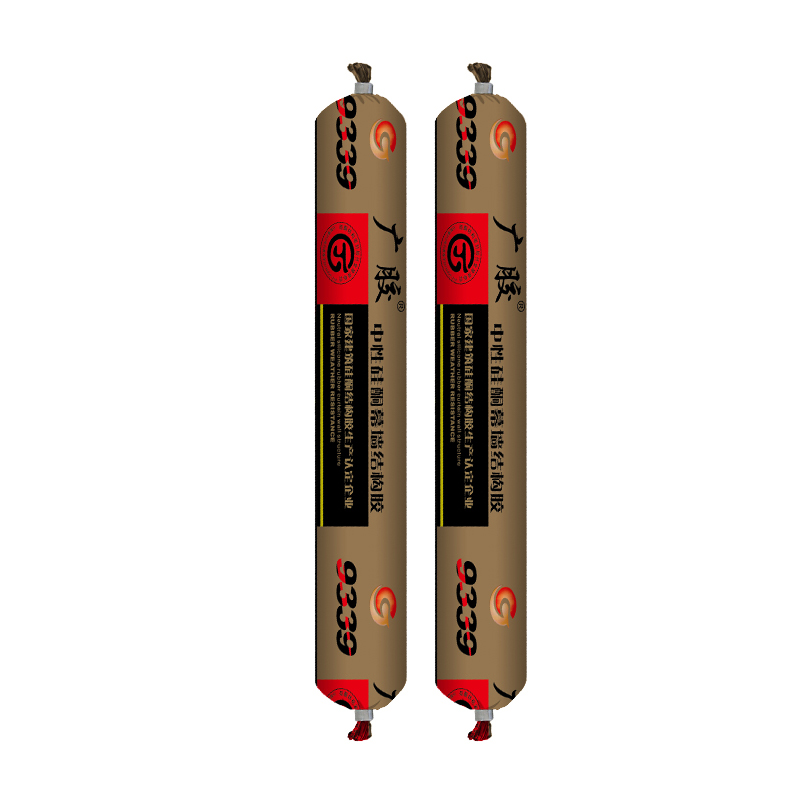
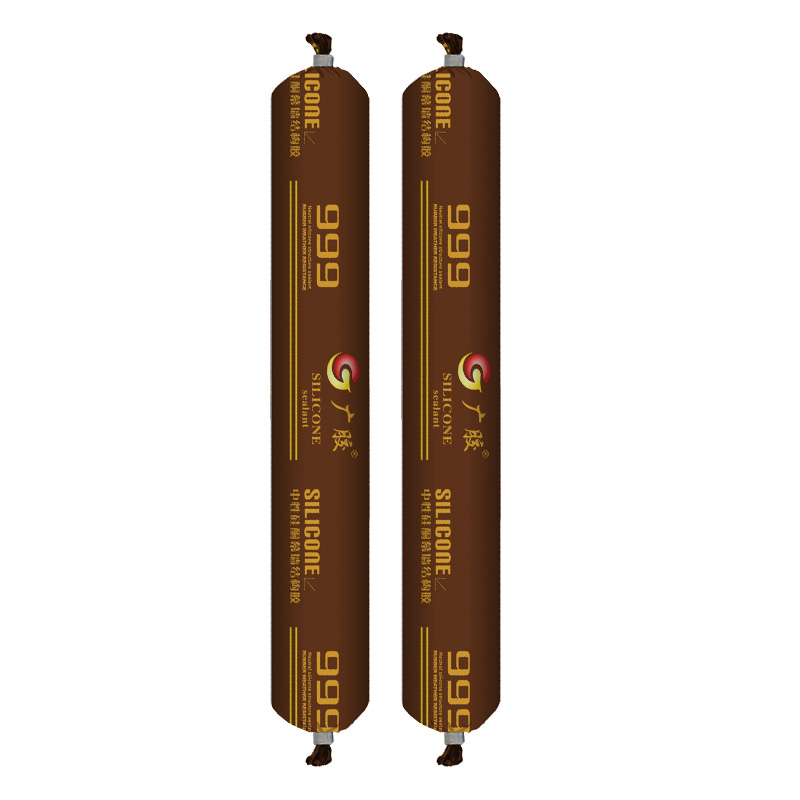
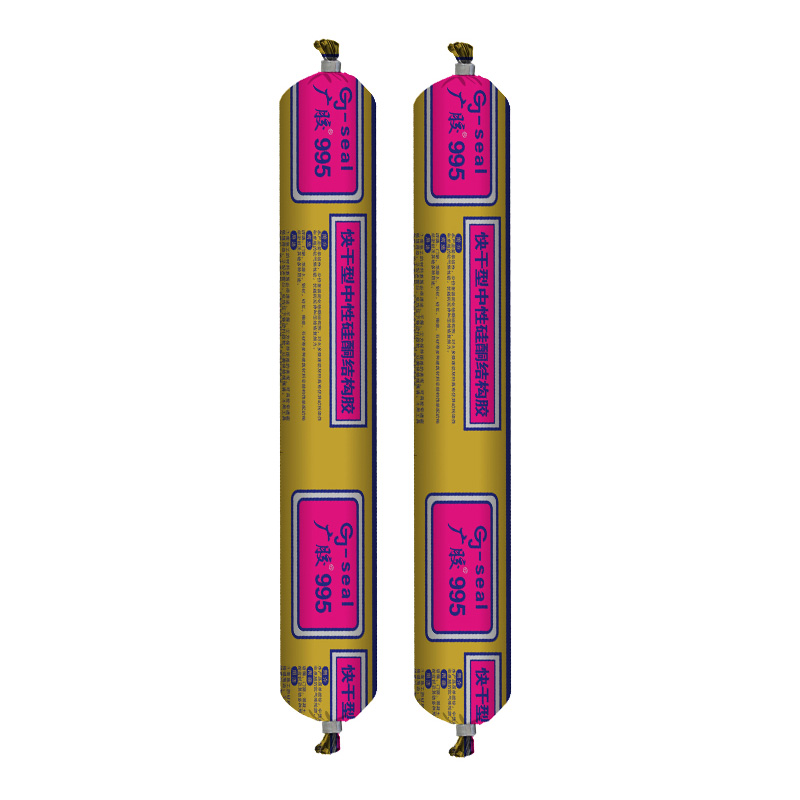
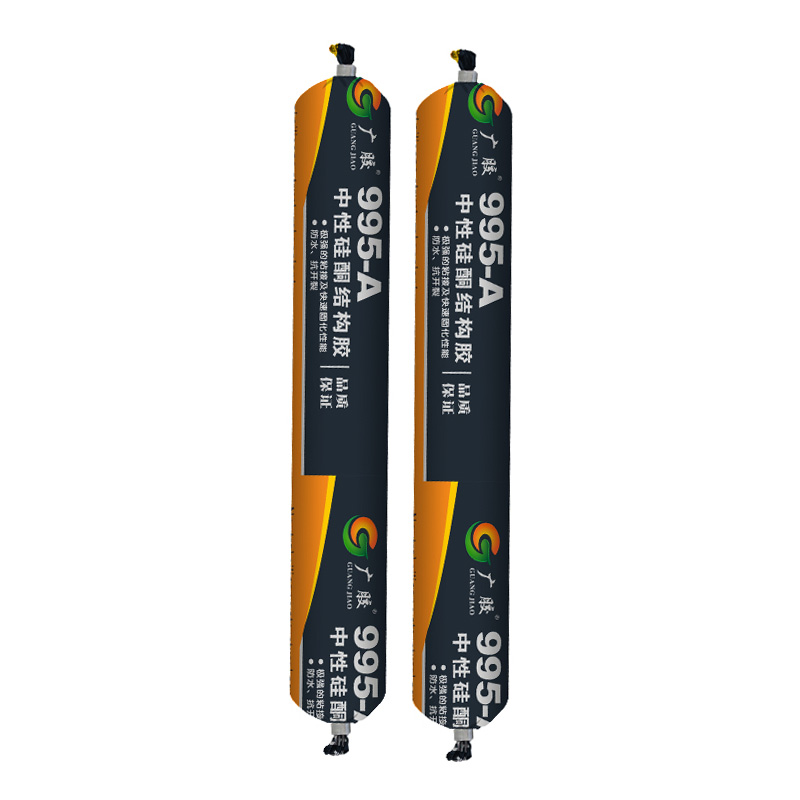
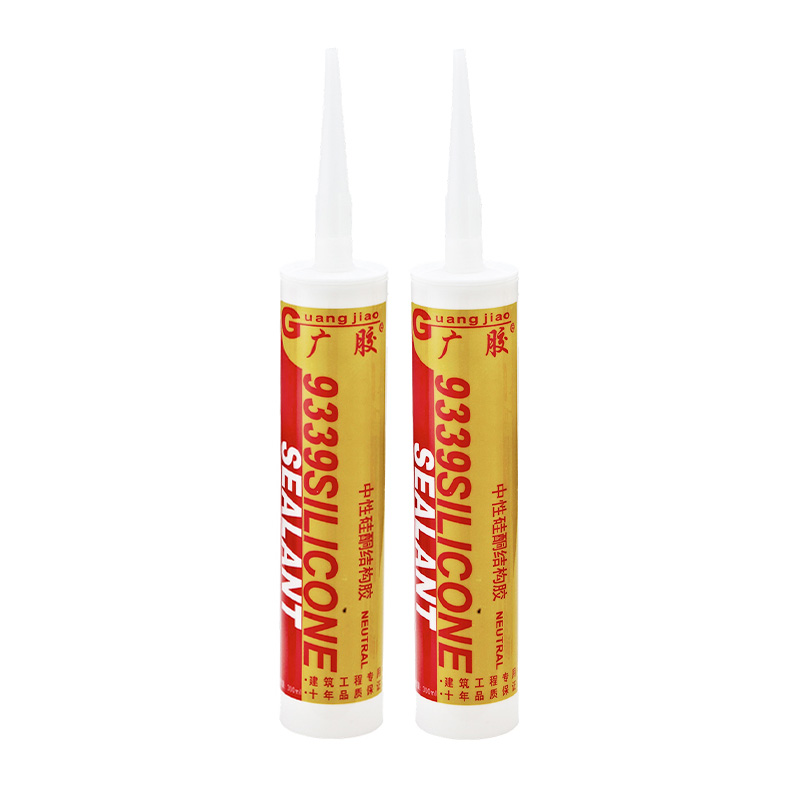
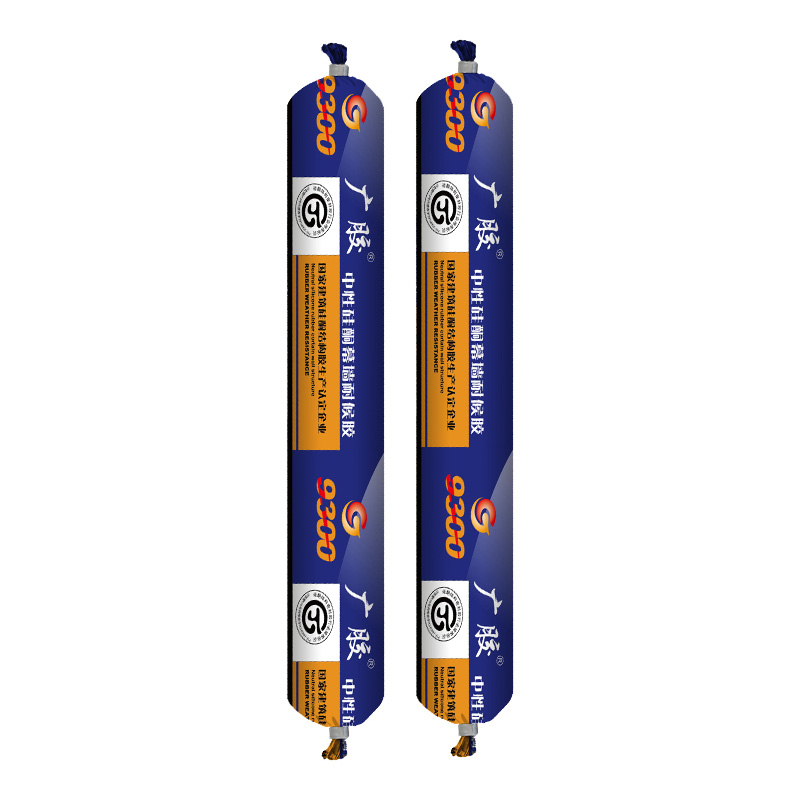
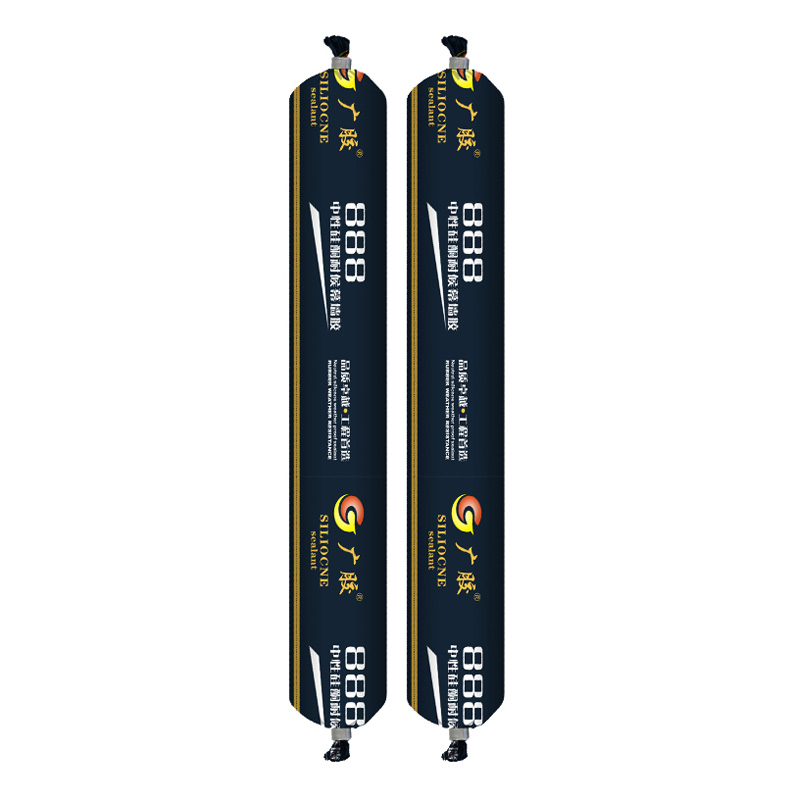
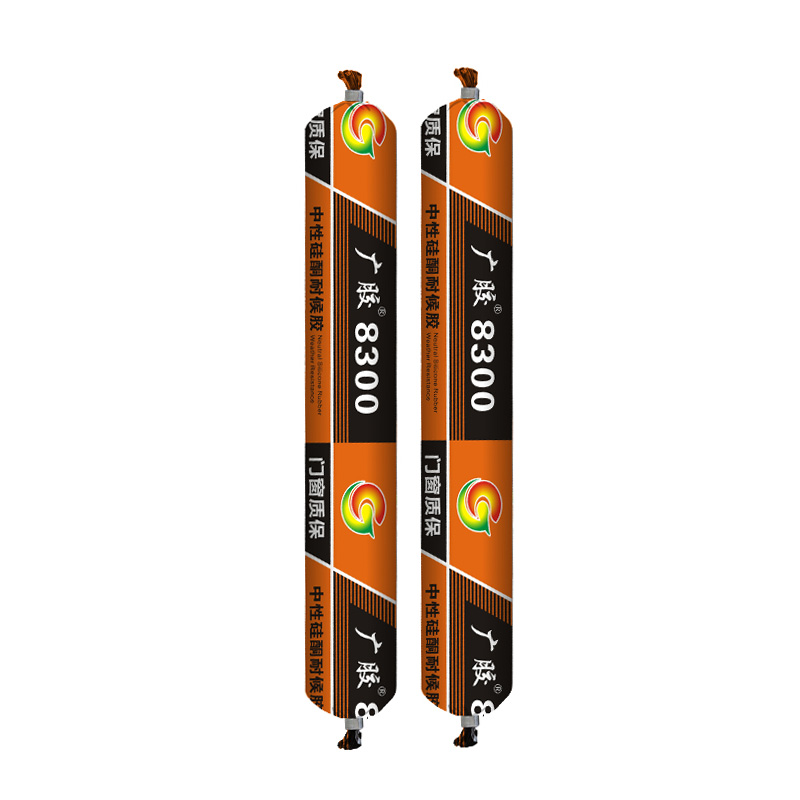
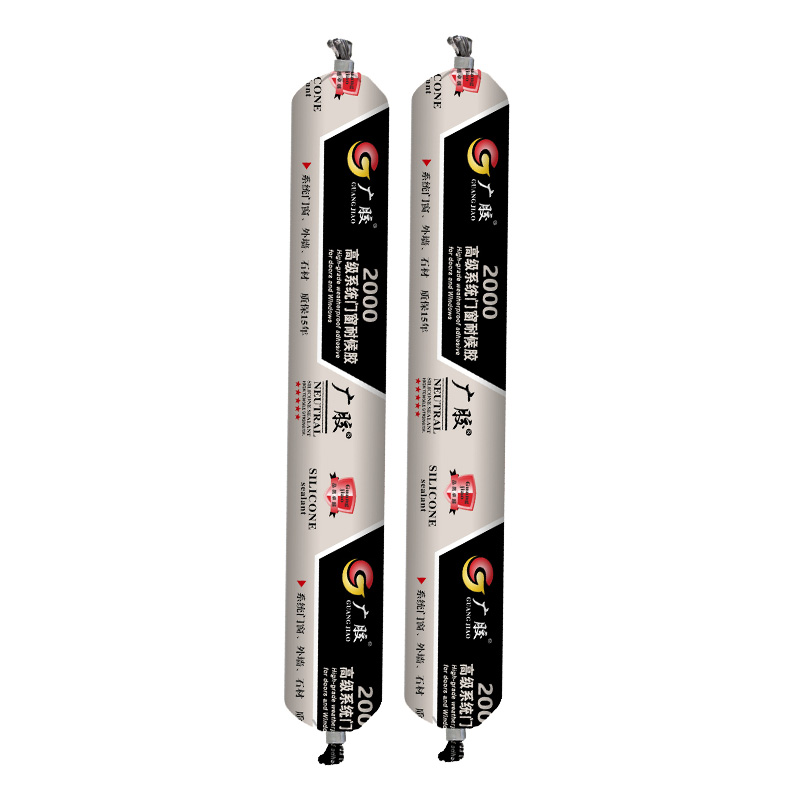
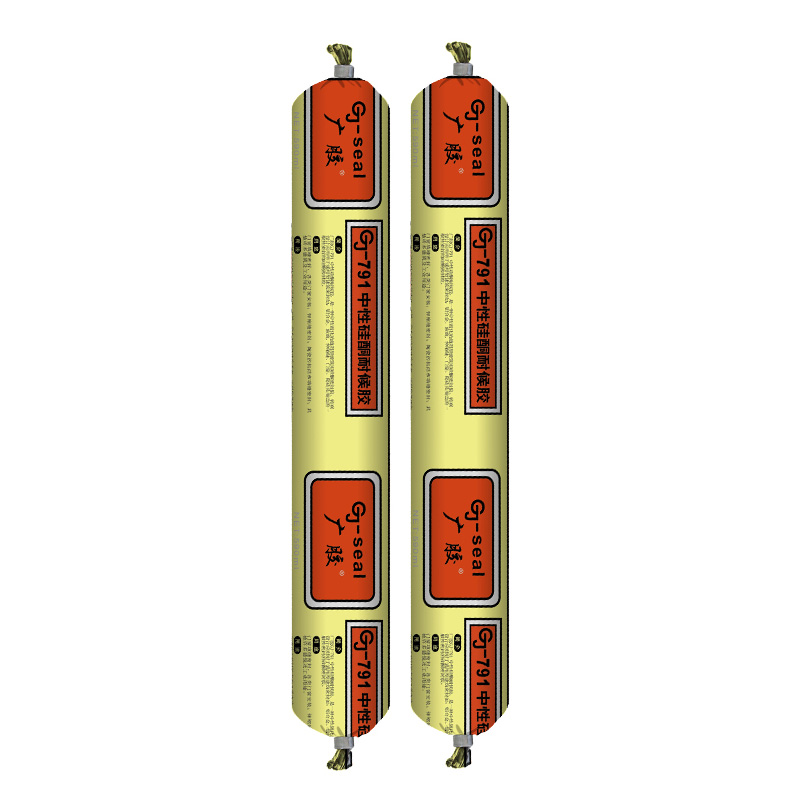
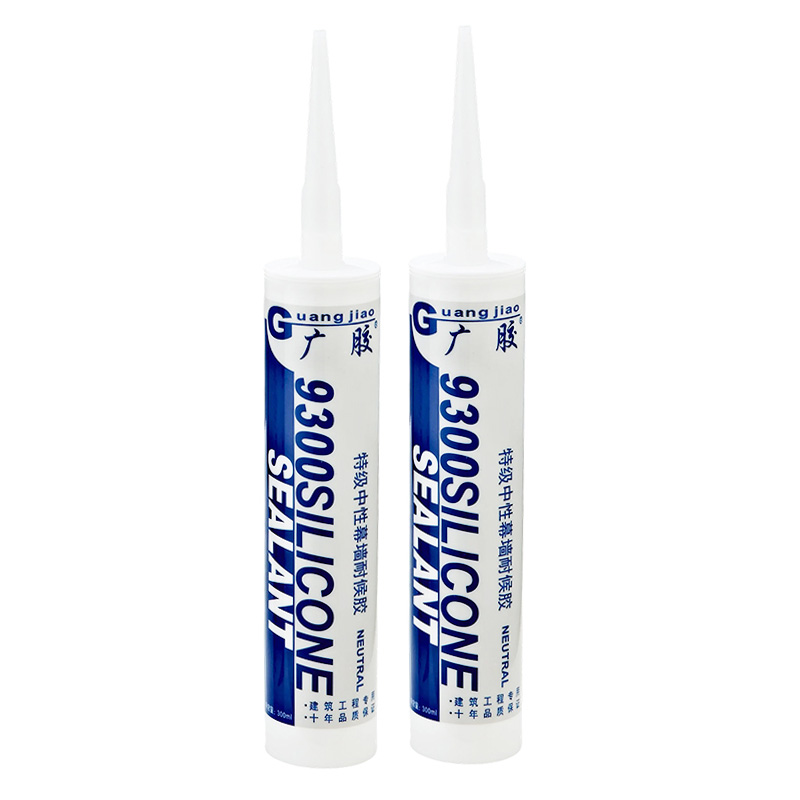
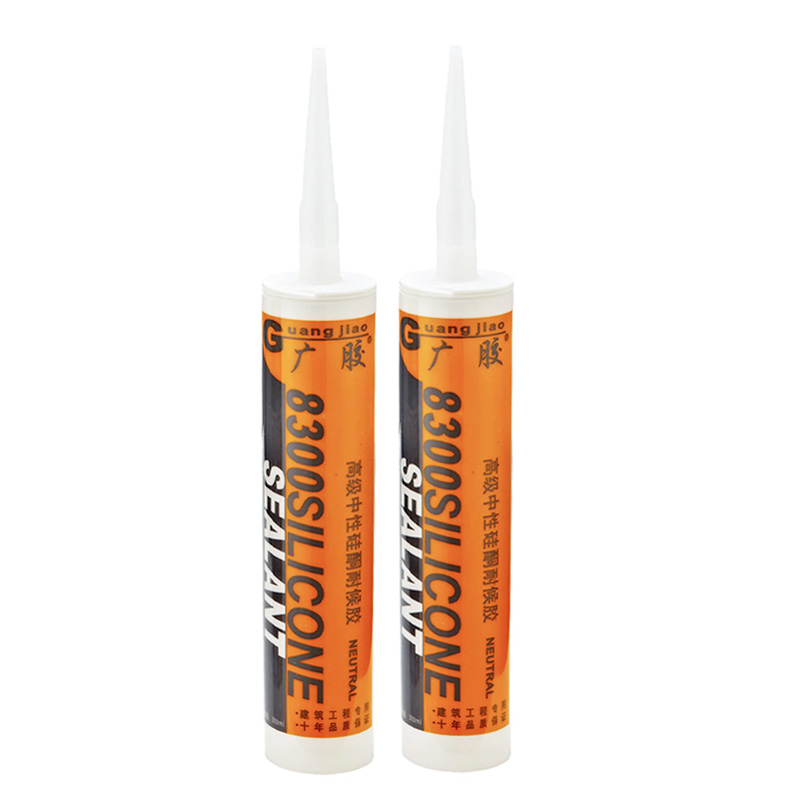
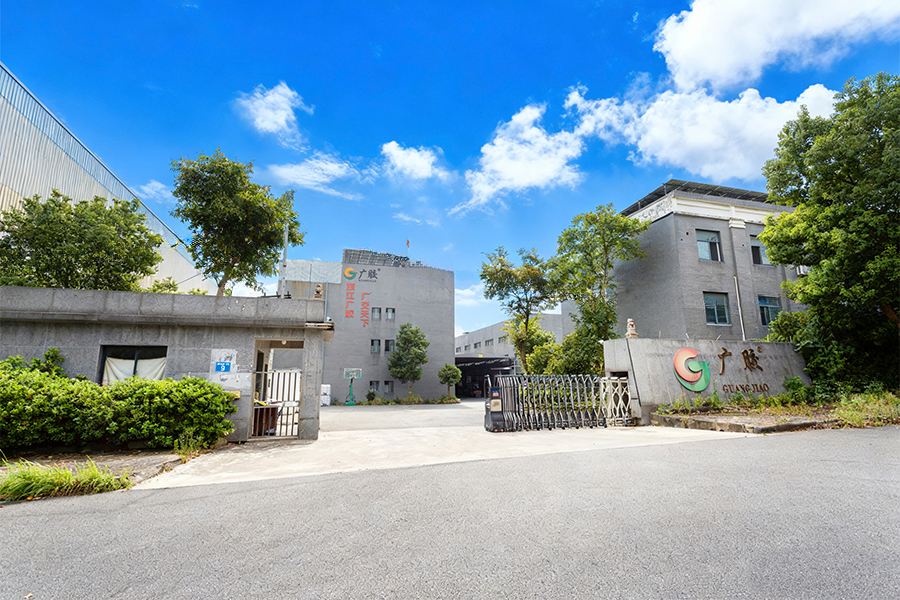
Zhejiang Guangjiao New Material Co., Ltd. is a leading manufacturer and distributor specializing in high-quality silicone sealants for various applications. Our Guangjiao series of glass sealants are widely recognized for their superior adhesion, weather resistance, and long-lasting performance. Our products are used in several key sectors, including building doors and windows, curtain wall engineering, and automotive manufacturing.
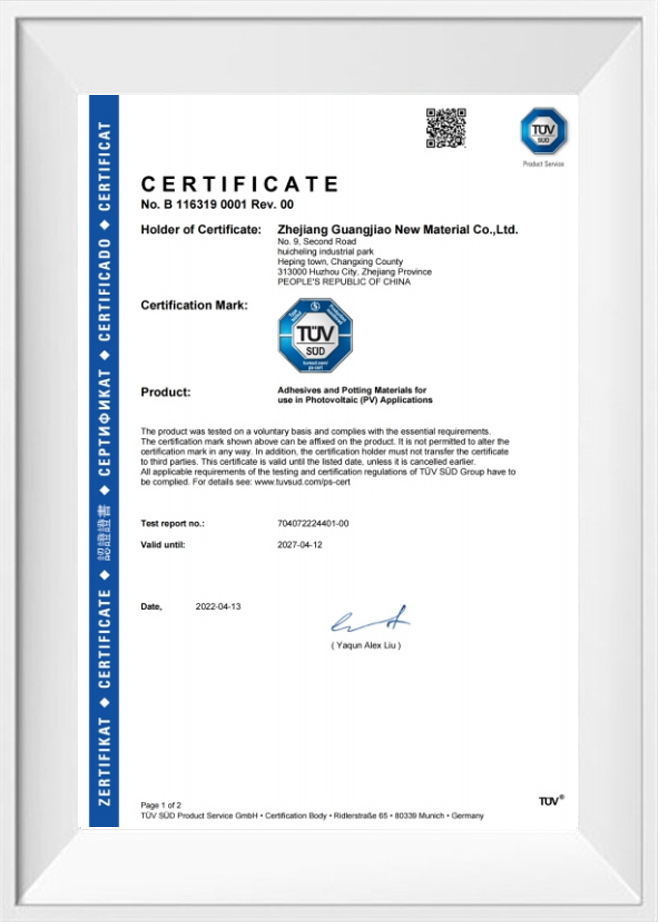
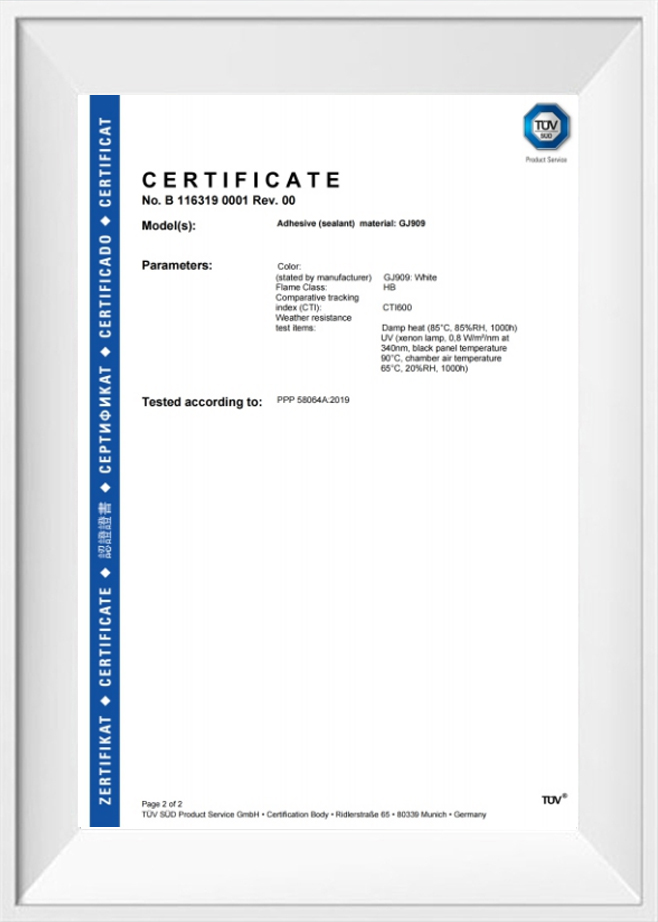
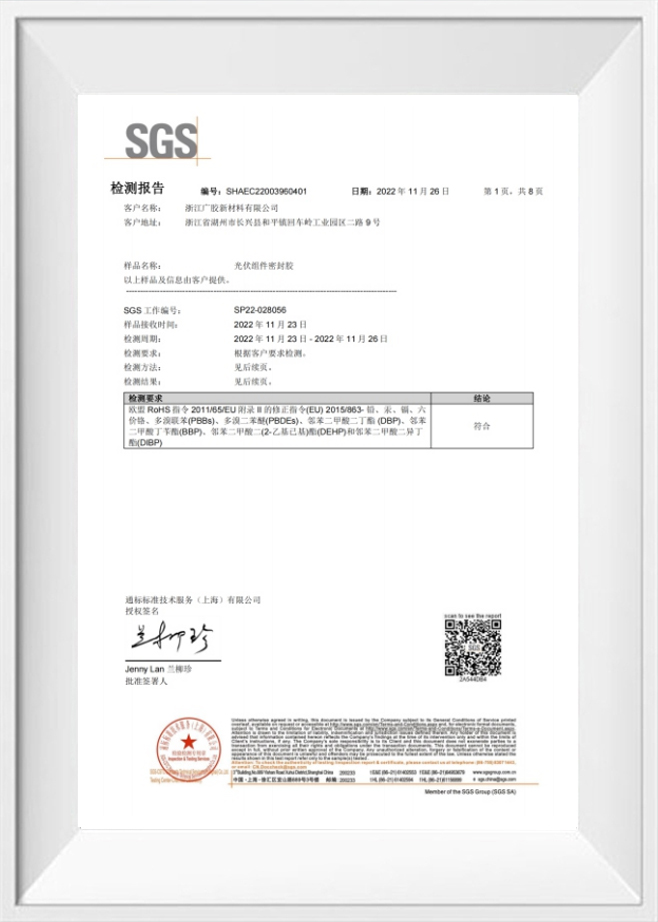
With our comprehensive laboratories and technical partnerships with leading domestic universities, we ensure that all our sealant products meet rigorous quality standards. Our commitment to quality guarantees peace of mind for customers, knowing that their building projects are protected by superior sealing solutions.
How Architectural Sealants Contribute to Sustainability
In today’s construction industry, sustainability is a key focus. Architectural sealants, particularly those designed for exterior applications, help reduce a building’s environmental footprint by improving energy efficiency and reducing the need for frequent repairs and maintenance. By preventing water ingress and reducing the risk of mold and rust, sealants contribute to the overall sustainability of a building by prolonging its lifespan and minimizing the need for costly repairs.
FAQ
1. What is the difference between exterior and interior sealants?
Exterior sealants are designed to withstand weather conditions, UV exposure, and temperature fluctuations, while interior sealants focus on mold resistance and flexibility, making them suitable for indoor environments like kitchens and bathrooms.
2. Can all-purpose silicone sealants be used on any surface?
Yes, all-purpose silicone sealants are versatile and can be used on various surfaces, including wood, glass, metal, and concrete, providing reliable performance in both indoor and outdoor settings.
3. How long do architectural sealants last?
The lifespan of architectural sealants depends on the type and application, but most high-quality products can last for several years, with proper maintenance, before needing to be replaced.
4. Are architectural sealants eco-friendly?
Many modern architectural sealants are formulated with environmentally friendly ingredients, offering reduced VOC (volatile organic compounds) emissions, making them a sustainable choice for building projects.
5. What are the benefits of using silicone sealants over other types?
Silicone sealants offer excellent flexibility, water resistance, and temperature stability, making them ideal for both interior and exterior use in demanding environments.
Conclusion
Architectural sealants are essential components in the construction and maintenance of modern buildings. By providing reliable protection against water, air, and temperature extremes, these sealants enhance the durability and performance of structures. Whether it’s exterior sealants for weatherproofing, interior sealants for moisture resistance, or all-purpose silicone sealants for versatile bonding, these products play a vital role in improving building quality and sustainability.

 English
 Français
 Español