Content
A leaking window frame, a cracked bathroom tile, or a loose aquarium seam can all be solved with the same tube of silicone—if you pick the right all purpose silicone caulk. The shortest safe answer is: choose a neutral-cure, weatherproof formula that matches your substrate and testing standards. Here’s why that matters and how to avoid costly mistakes.
An all purpose silicone caulk is a single-component sealant that forms a flexible, water-resistant bond between most common building materials. It is used to seal gaps around windows, doors, siding, plumbing fixtures, and even aquarium joints. The phrase “all purpose” usually means the product works on a broad range of substrates, but it does not mean the same formula is perfect for every job.
Manufacturers blend silicone polymers with curing agents, fillers, and additives to create specific performance profiles. The two dominant families are acetoxy-cure (acidic) and neutral-cure (alkoxy or oxime). The difference between them determines what surfaces you can safely seal and how long the sealant holds up in different conditions.
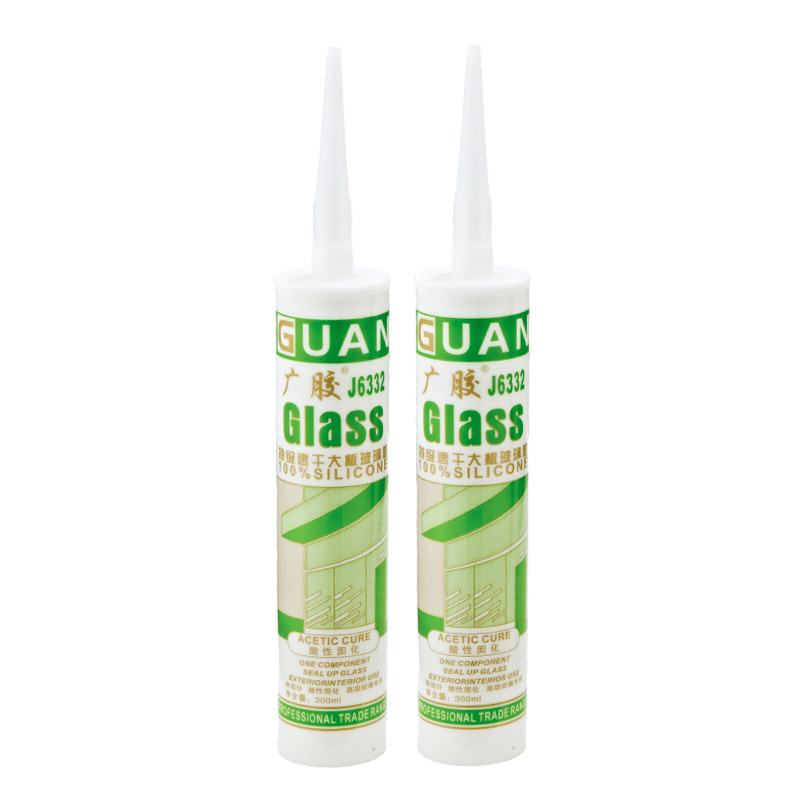
For a truly general-purpose purchase, neutral cure is the safer default. Neutral-cure silicone does not release acetic acid during curing, so it will not corrode reactive metals, attack concrete, or degrade certain plastics. Acetoxy silicone, by contrast, cures quickly and sticks extremely well to glass, but it can cause corrosion on uncoated aluminum and is not suitable for many porous substrates.
| Factor | Neutral Cure | Acetoxy Cure |
|---|---|---|
| Odor during curing | Low, mild | Strong vinegar smell |
| Corrosion risk | Very low | High on metal, concrete, masonry |
| Substrate compatibility | Broad: glass, metal, wood, stone, plastics | Mainly glass and ceramics |
| Cure speed | Slower initial skin | Fast skinning |
| Typical use | General construction, weatherproofing, structural glazing | Aquariums, glass display, fast assembly |
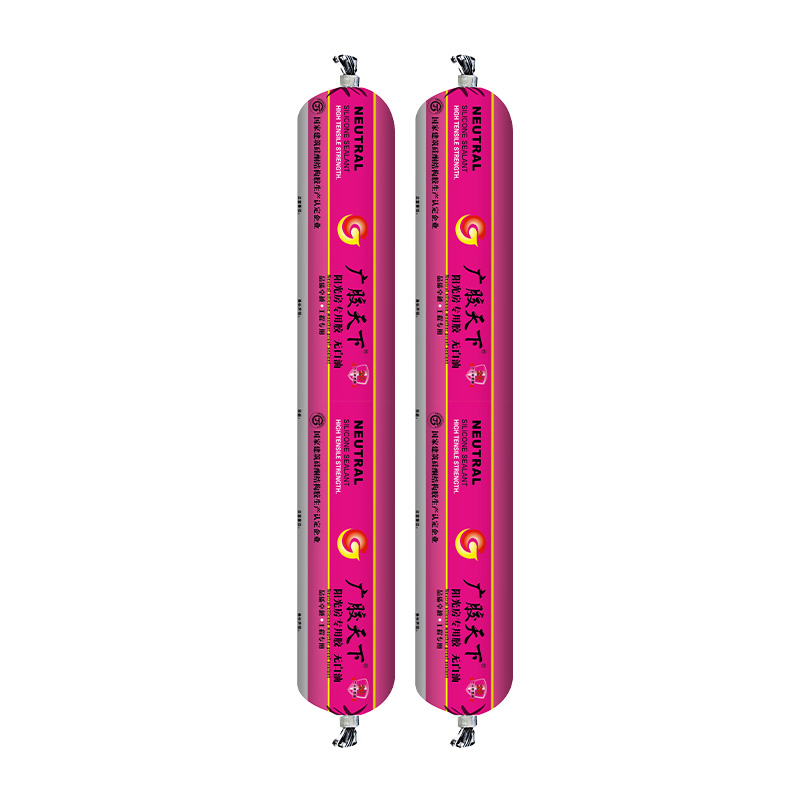
If you need one tube for several different jobs around a building site, fast-cure neutral silicone construction sealant provides the flexibility and safety margin that all purpose work demands. For a deeper look at how these two chemistries perform in real conditions, see this neutral cure vs. acetoxy silicone comparison.
 Fast Cure Neutral Silicone Construction Sealant for Multi-Purpose Building UseThis single-component, neutral-curing sealant offers rapid strength development and fast cure, making it ideal for construction jobs needing quick turnaround. It bonds well to most building materials and resists weather and UV aging.View Product →
Before you buy a tube, look past the “all purpose” label and verify four or five hard numbers. These affect whether the sealant survives the environment where you plan to use it.
Real-world experience from sealed façades shows that joint movement, not sealant adhesion, is the most common cause of premature failure. A ±25% movement rating is usually enough for most residential gaps, but commercial curtain walls often need ±50%.
Even the best tube can fail if you apply it on a dirty or damp surface. Follow a simple four-step process to get a neat, long-lasting seal.
Always note the manufacturer’s cure time before exposing the joint to water or load. For fast-track construction projects, choosing a fast-cure product can compress the schedule, but never sacrifice surface prep for speed.
Two out of every three silicone failures we see in field reports are caused by avoidable application errors. Keep these in mind when you handle your next tube.
An all purpose silicone caulk from a dedicated manufacturer usually performs more consistently than a retail house brand. Why? Because silicone production depends on precise control of base polymer viscosity, curing chemistry, and additive ratios. A professional manufacturer with an in-house laboratory can verify batch-to-batch strength and adhesion, and they will stand behind the product with a quality guarantee.
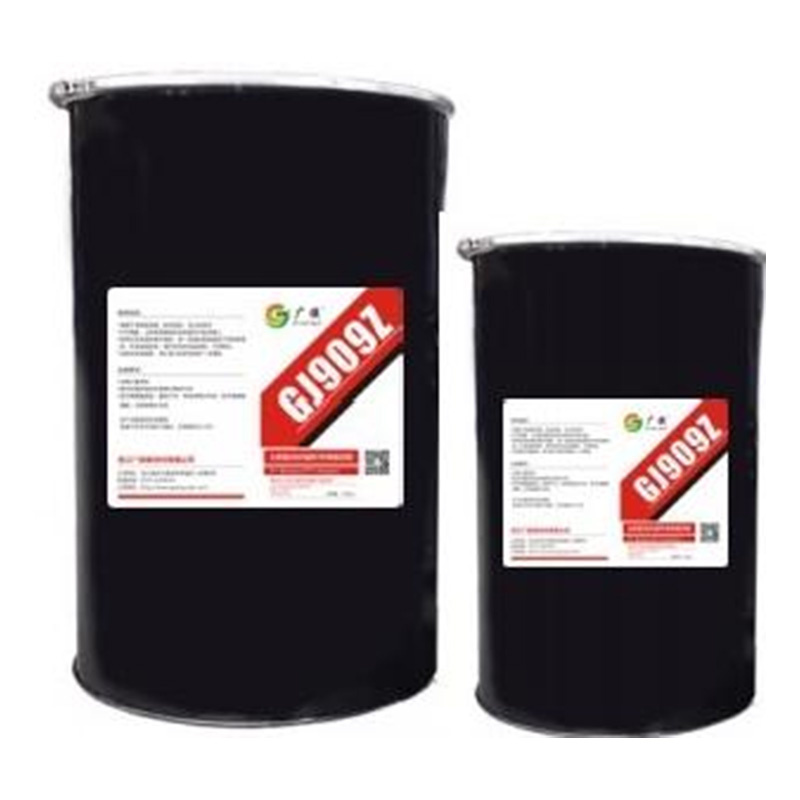
For exterior facade work where wind-driven rain and UV exposure are constant, we recommend high-performance weatherproof architectural sealant. It combines higher movement capability with superior UV stability, which makes it suitable for curtain walls, metal panel joints, and window perimeters.
 High-Performance Weatherproof Silicone Sealant for Exterior Facade JointsDesigned for curtain walls and window perimeters, this sealant provides superior movement capability and UV stability. It effectively handles wind-driven rain and temperature swings, ensuring long-lasting exterior sealing.View Product →
The same tube might not cover both sides of your house. In a bathroom or kitchen, the sealant is exposed to warm humidity, soap, and occasional cleaning chemicals. Mould growth is the main threat. Over time, standard silicone can darken and crack in these areas.
In an exterior wall joint, the enemy is weathering: sunlight, temperature swings, rain, and pollution. The sealant needs high elongation and good color retention. For interior wet areas, choose a formula with an added fungicidal agent. If you are sealing around sinks, showers, or toilets, a mold-resistant neutral silicone sealant will stay clean and odorless much longer than a standard all purpose tube.
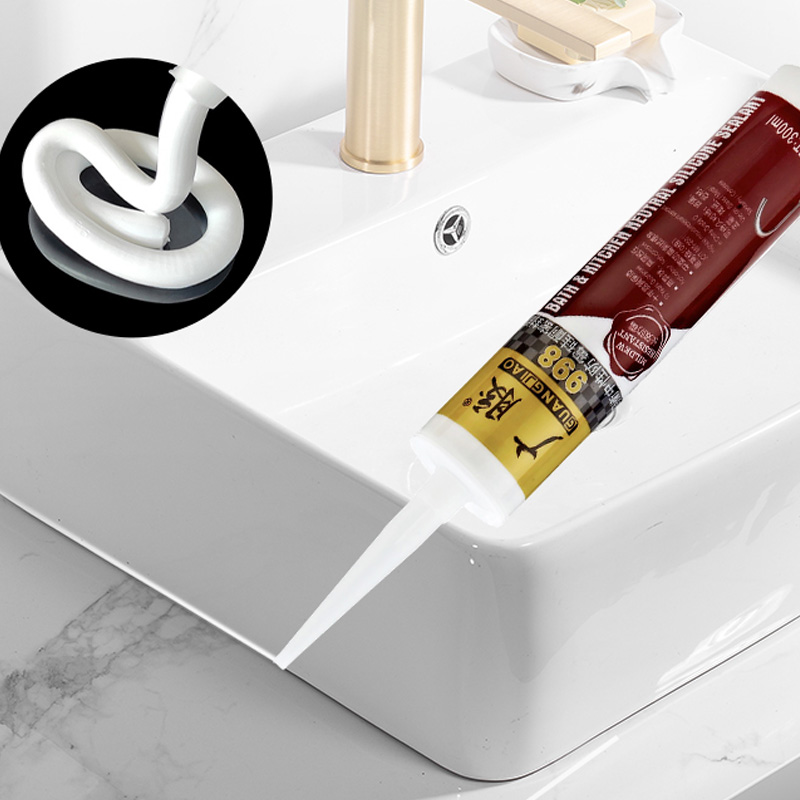 Mold-Resistant Neutral Silicone Sealant for Humid Indoor AreasWith a fungicidal formula, this sealant inhibits mold growth in kitchens and bathrooms. It cures neutrally, adheres to many substrates, and maintains clean, durable joints in moist environments.View Product →
Most silicone sealants are not paintable because the non-stick surface repels paint. If you need a paintable sealant, look for a hybrid or acrylic latex product. Verify the label before purchasing.
Typical skin-over time is 10 to 30 minutes. Full cure to a flexible rubber can take 24 hours. High-humidity conditions lengthen the cure time because silicone needs moisture from the air to crosslink.
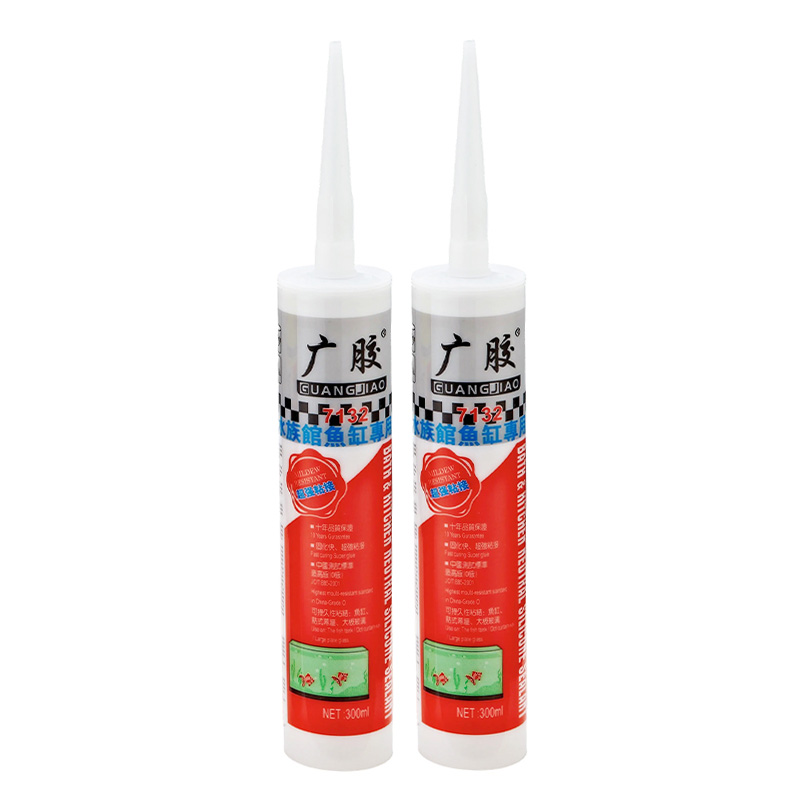
Only if the product is specifically labeled as 100% silicone without added fungicides or solvents. Most “all purpose” caulks contain mold inhibitors that are toxic to fish. Use an aquarium-grade acetoxy formula instead.
Cut the bead with a sharp utility knife, then apply a commercial silicone remover or a white mineral spirit. Let it soften for 15 minutes and scrape away the residue. Do not scrub on porous surfaces.
Choosing an all purpose silicone caulk is not a one-size-fits-all decision. Start with a neutral-cure product, verify the movement and temperature ratings against your specific joint, and apply it on a clean dry surface. For wet interiors, pick a mould-resistant formula. When you need a dependable supplier, look for a manufacturer that publishes data sheets and owns its own production lines. That is how you get a seal that lasts for years.
Subscribe to our newsletter
Product
Quick Links
contact Us
No. 9, 2nd Road, Huicheling Industrial Park, Heping Town, Changxing County, Huzhou City, Zhejiang Province, China
+86-572-6550355
+86-17769681106


 English
 Français
 Español