What is the Difference Between Decorator’s Caulk and Interior Silicone Sealant?
Introduction
When it comes to interior home decoration, sealing gaps and joints is a crucial part of the process to ensure that surfaces are protected and aesthetically pleasing. Two commonly used materials for these purposes are interior decoration silicone sealant and decorator’s caulk. While both are effective for sealing various gaps, they differ in their composition, usage, and performance characteristics.
What is Interior Decoration Silicone Sealant?
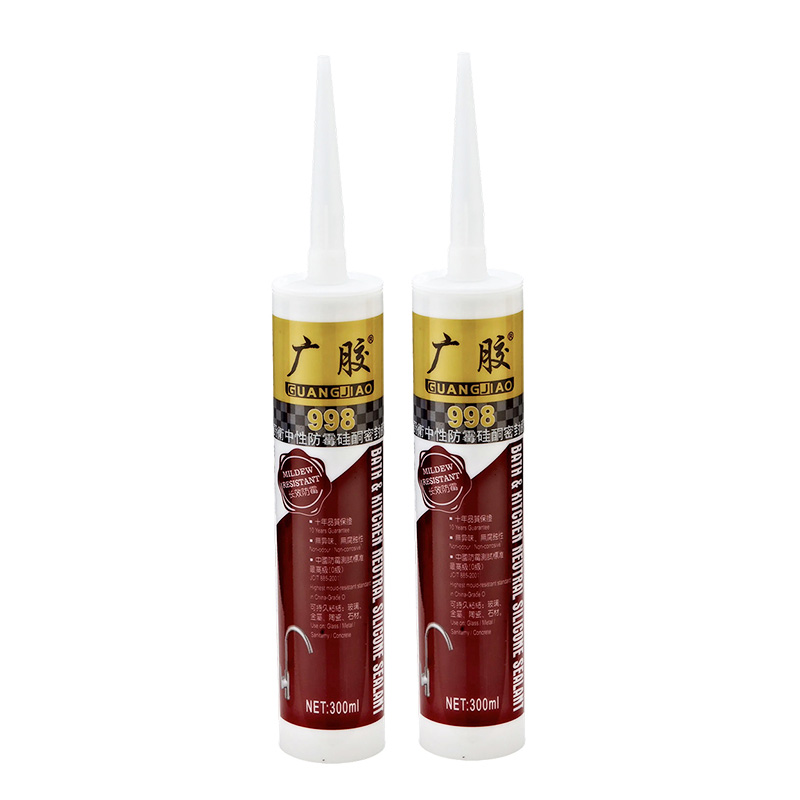
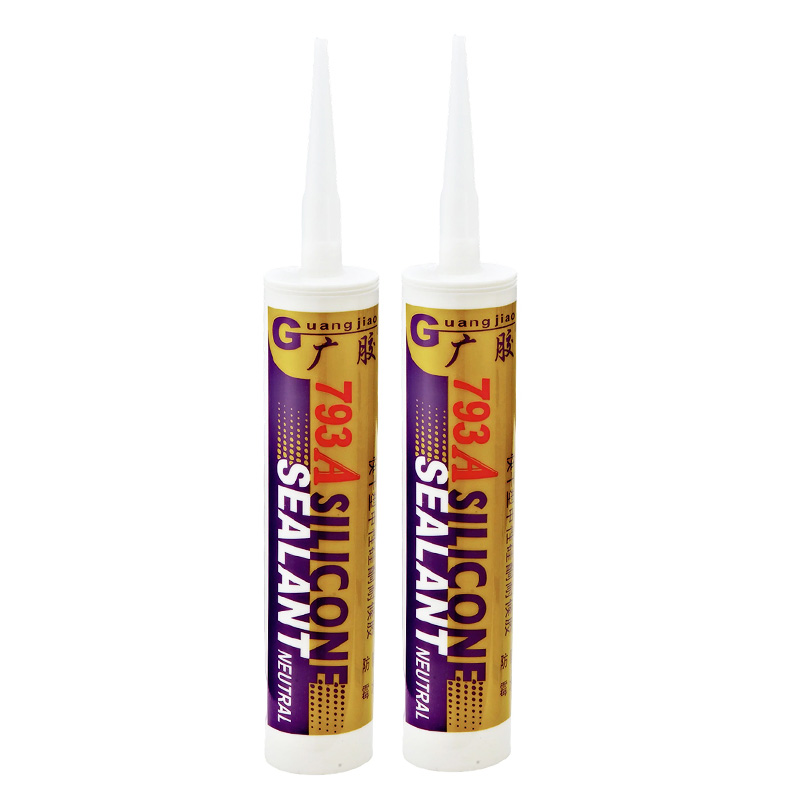
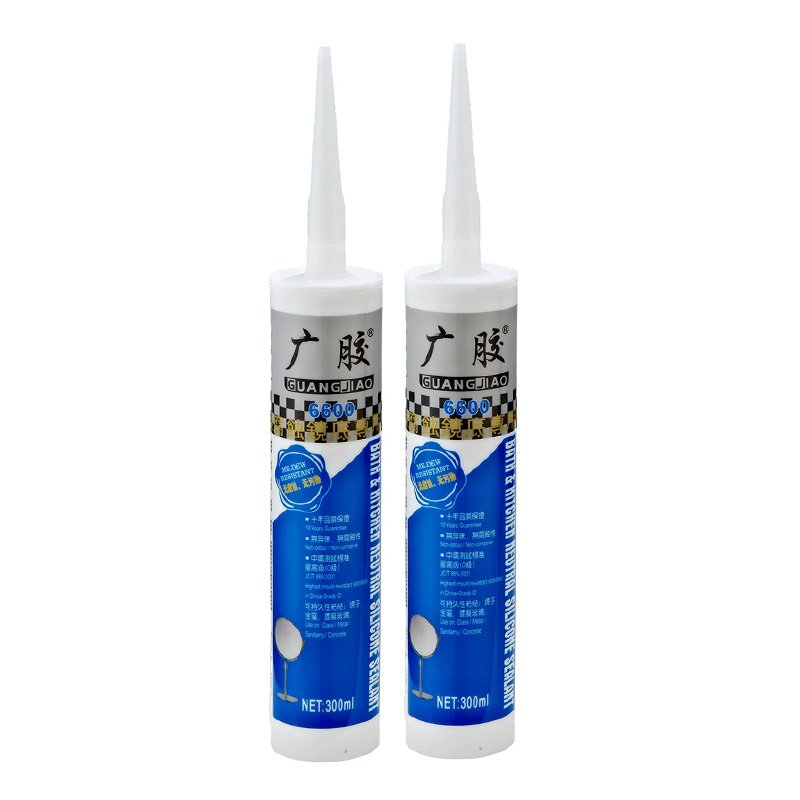
Interior decoration silicone sealant is a versatile, neutral-cure silicone designed specifically for indoor applications. It is known for its flexibility, mildew resistance, and easy-to-clean properties. Once cured, this decorative sealant forms a durable, flexible bond that adheres to a variety of materials commonly used in home interiors, including tiles, glass, plastics, and painted surfaces.
Unlike other sealants, interior decoration silicone sealant is non-toxic and odorless, making it an ideal choice for kitchen & bath silicone applications, where a safe, environmentally friendly option is essential. Its formulation allows it to resist mildew and other contaminants, ensuring long-lasting performance in areas prone to moisture, such as bathrooms and kitchens.
Common Applications of Interior Decoration Silicone Sealant:
- Sealing gaps around window frames and door trims.
- Caulking bathroom fixtures like sinks and bathtubs.
- Sealing around tiles, glass surfaces, and skirting boards.
- Sanitary silicone sealant used in bathrooms to prevent moisture ingress.
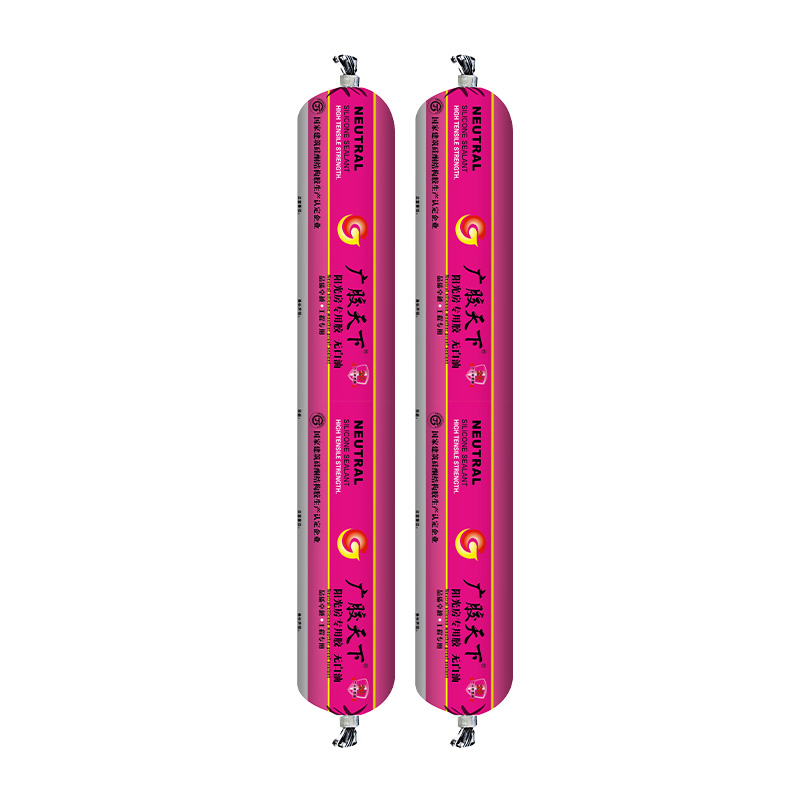
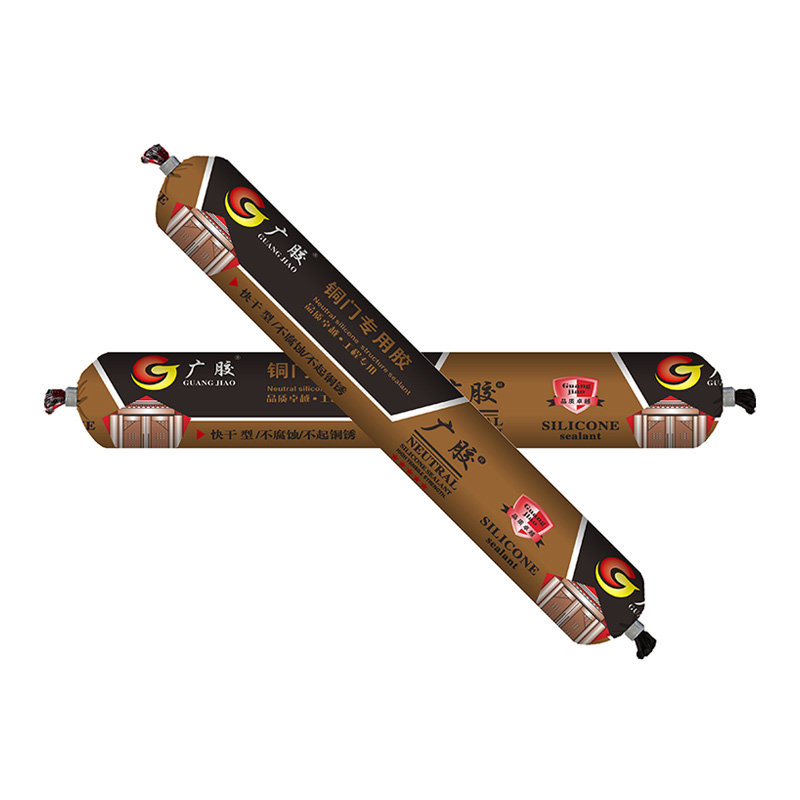
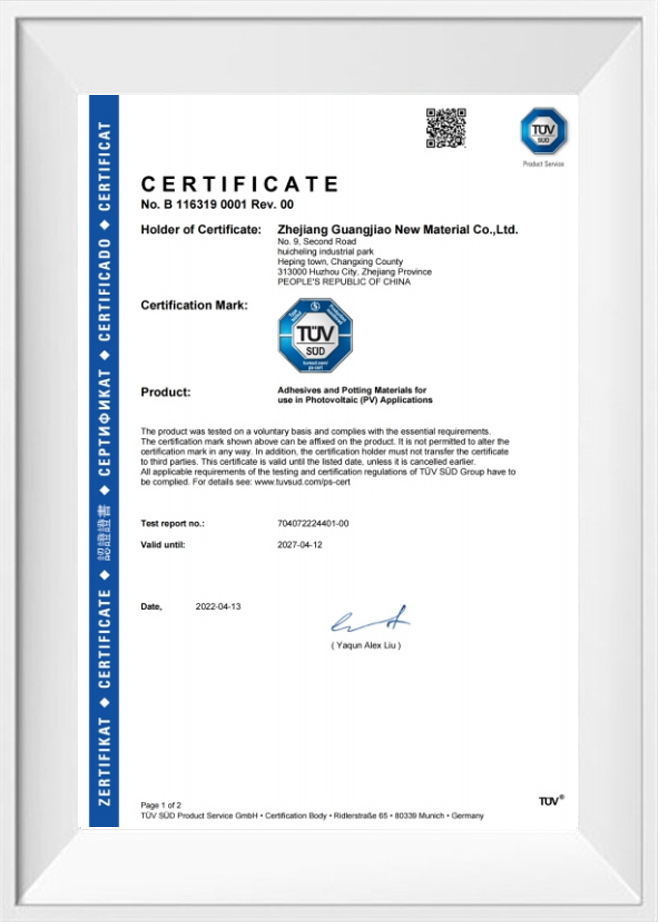
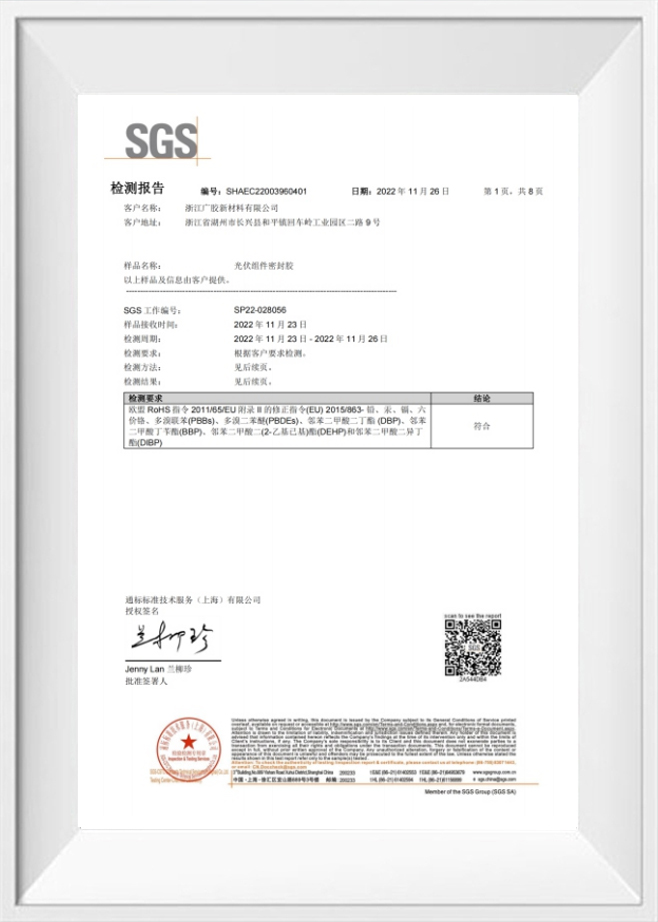
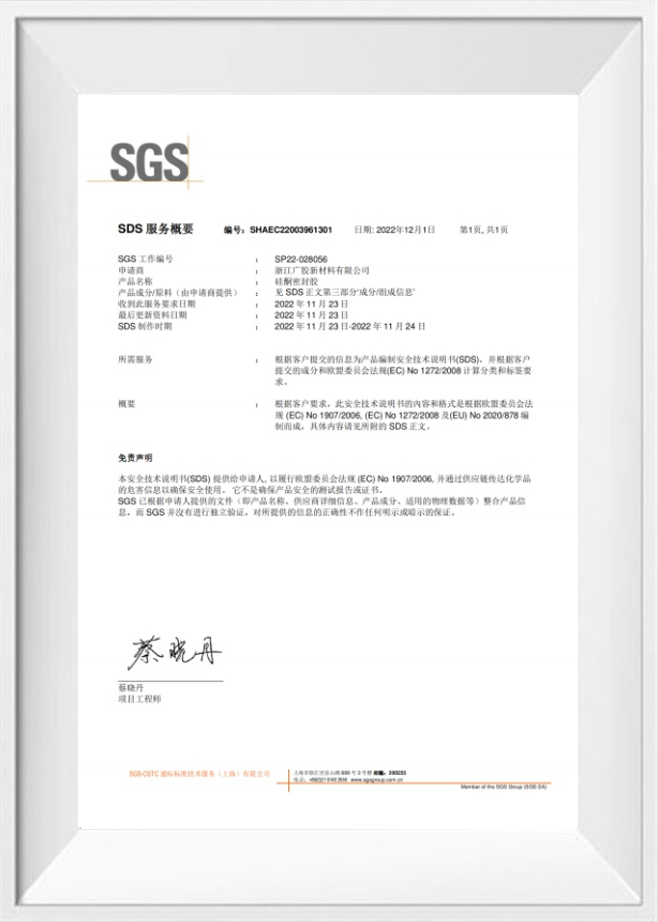
Zhejiang Guangjiao New Material Co., Ltd., a leading manufacturer and distributor of silicone sealants, offers a wide range of interior decoration silicone sealants that are tailored to meet the highest standards in the building decoration and construction industries.
Key Features of Interior Silicone Sealants
-
Flexibility and Durability
- Interior silicone sealants are specifically designed to remain flexible even after curing, which allows them to accommodate the expansion and contraction of materials in response to temperature fluctuations.
-
Mildew Resistance
- These sealants are formulated with mildew-resistant properties, making them an excellent choice for environments that are constantly exposed to humidity, such as bathrooms and kitchens.
-
Superior Adhesion
- The adhesive properties of interior silicone sealant are exceptional, ensuring a long-lasting bond on a wide range of substrates, including ceramic tiles, plastics, glass, and painted surfaces.
-
Non-toxic and Odorless
- Since interior silicone sealants are non-toxic and produce little to no odor, they are safe for use in enclosed spaces, ensuring minimal disruption during the application process.
Decorative Sealant vs. Interior Silicone Sealant
While both decorator’s caulk and interior silicone sealant are used for similar sealing purposes, their differences are significant. Decorator’s caulk is generally used for cosmetic purposes, such as sealing gaps around baseboards, trim, and other decorative elements. It is often paintable, making it suitable for applications where the sealant must blend seamlessly with the surrounding surfaces. However, interior silicone sealants are more durable, mildew-resistant, and water-resistant, making them ideal for kitchen & bath silicone applications.
Table: Comparison of Decorator’s Caulk and Interior Silicone Sealant
| Feature |
Decorator’s Caulk |
Interior Silicone Sealant |
| Flexibility |
Moderate |
High |
| Water Resistance |
Low |
High |
| Mildew Resistance |
Low |
High |
| Paintability |
Yes |
Limited (often not paintable) |
| Adhesion to Surfaces |
Good (for wood and drywall) |
Excellent (for tiles, glass, plastic) |
| Durability |
Moderate |
High |
| Applications |
Decorative trim, baseboards, etc. |
Kitchen and bath, tiles, windows |
Why Choose Interior Silicone Sealant for Home Improvement?
Interior silicone sealant offers superior benefits when compared to other sealing materials. One of the primary advantages is its water resistance, which makes it ideal for use in areas exposed to moisture. Unlike decorator’s caulk, which may degrade or crack over time when exposed to water, interior silicone sealant retains its integrity and performance, even in high-humidity environments like bathrooms or kitchens.
Additionally, the flexibility of interior silicone sealant allows it to handle the movement of building materials without breaking the seal. This flexibility is essential for long-term performance, particularly in areas prone to temperature and humidity changes.
Another key factor is the mildew resistance of interior silicone sealants, which is particularly valuable in bathrooms, kitchens, and other wet areas. Sanitary silicone sealant, in particular, is designed to offer enhanced protection against mold and mildew, helping to maintain a clean and hygienic environment.
Choosing the Right Silicone Sealant for Your Needs
When selecting a silicone sealant, consider factors such as flexibility, adhesion, mildew resistance, and paintability. For areas like bathrooms, kitchens, and windows, interior silicone sealant is often the preferred choice due to its water-resistant and mildew-resistant properties. For more decorative applications, such as sealing gaps around baseboards or trim, decorator’s caulk may be more appropriate, as it is often easier to paint and blend with surrounding materials.
Frequently Asked Questions (FAQ)
-
Can I use interior silicone sealant in my bathroom?
Yes, interior silicone sealant is specifically designed for use in high-moisture areas like bathrooms. It is mildew-resistant and provides a durable, long-lasting seal.
-
Is interior silicone sealant paintable?
Interior silicone sealant is typically not paintable. However, some specialized formulations, like paintable silicone sealant, are designed to accept paint.
-
What is the difference between sanitary silicone sealant and regular silicone sealant?
Sanitary silicone sealant is specifically formulated for use in environments prone to mold and mildew, such as bathrooms and kitchens. It offers additional protection against fungal growth compared to regular silicone sealants.
-
Can I use interior silicone sealant on glass surfaces?
Yes, interior silicone sealant adheres well to glass surfaces, making it ideal for use in window frames and glass panel installations.
Conclusion
In conclusion, both decorator’s caulk and interior silicone sealant serve important roles in home improvement projects, but they are suited for different applications. Interior silicone sealant stands out for its flexibility, water resistance, and mildew resistance, making it the best choice for kitchen & bath silicone applications. As a leading manufacturer, Zhejiang Guangjiao New Material Co., Ltd. ensures that its interior silicone sealants meet the highest standards, offering durability and reliability in every application. Whether you’re sealing gaps in your bathroom or ensuring a tight seal around your kitchen sink, interior silicone sealant provides the performance you need for a long-lasting, professional finish.

 English
 Français
 Español