How Does Acidic Curing Sealant Improve the Performance of Waterproofing Systems?
Introduction
In today’s construction and industrial sectors, waterproofing is a crucial aspect of building longevity. One key component that enhances the performance of waterproofing systems is acidic curing sealant, also known as acetic silicone sealant or acetoxy silicone sealant.
What is Acidic Curing Sealant?
Acidic curing sealants are a specific type of silicone sealant that cures through a chemical reaction with moisture in the air. These sealants are primarily composed of acetic acid, which gives them their characteristic properties and name. Also referred to as acetic silicone sealants or acetoxy silicone sealants, these products are designed to form strong, durable, and flexible bonds that make them ideal for a wide range of applications, especially in areas requiring waterproofing.
Key Features:
- Fast Curing: Acidic curing sealants typically cure faster than neutral-cure alternatives, making them suitable for situations where rapid application and drying times are essential.
- Strong Adhesion: These sealants adhere well to most non-porous surfaces like glass, ceramics, metals, and plastic, forming a strong bond that resists water ingress.
- Durability: They provide long-lasting resistance to moisture, UV radiation, and extreme weather conditions, ensuring that the sealant remains intact and effective for years.
How Does Acidic Curing Sealant Improve Waterproofing Systems?
The unique composition and curing mechanism of acidic curing sealants play a vital role in improving the overall performance of waterproofing systems. Here’s how:
Enhanced Water Resistance:
Acidic curing sealants form a durable, flexible, and waterproof barrier that prevents water from seeping into joints or cracks. This quality is crucial in areas such as bathroom tiles, roofing, windows, and even outdoor applications where exposure to water and humidity is high.
Comparison of Water Resistance:
| Sealant Type |
Water Resistance |
Cure Time |
| Acidic Curing Sealant (Acetoxy Silicone) |
Excellent |
Fast |
| Neutral Cure Silicone Sealant |
Good |
Moderate |
| Polyurethane Sealant |
Moderate |
Slow |
Flexibility and Movement Accommodation:
Waterproofing systems are often subjected to structural movement caused by thermal expansion or settling. Acidic curing sealants maintain their flexibility even after curing, allowing them to accommodate these movements without cracking or losing their waterproofing integrity.
Superior Adhesion to a Variety of Surfaces:
One of the strengths of acetoxy silicone sealants is their ability to bond effectively to a wide range of materials, including glass, ceramics, metals, and plastics. This property makes them suitable for diverse applications, from glass facades in building construction to sealing joints in automotive parts. In waterproofing, this strong adhesion prevents water from penetrating between surfaces.
Resistance to Mold and Mildew:
Due to their antifungal properties, acidic curing sealants help prevent mold and mildew growth, which is particularly important in high-humidity environments like kitchens, bathrooms, and exterior building facades. This resistance extends the life of the waterproofing system and ensures a clean, hygienic environment.
Applications of Acidic Curing Sealant in Waterproofing Systems
Acidic curing sealants are versatile and can be applied in various construction, automotive, and industrial scenarios. Below are a few key applications:
Building Doors and Windows:
In construction, doors and windows are critical areas for ensuring proper sealing. Acidic curing sealants provide an effective seal against water, air, and dust, preventing leaks and improving the overall energy efficiency of buildings.
Exterior Wall Decoration and Curtain Walls:
The flexibility and adhesion properties of acidic curing sealants make them ideal for sealing curtain walls, ensuring that the building remains waterproof even in extreme weather conditions.
Electronics and Automotive Industry:
In automotive and electronic industries, acetic silicone sealants are used to seal sensitive components from moisture, dust, and other environmental elements, improving the lifespan and performance of the products.
Comparison with Other Waterproofing Sealants
While acidic curing sealants have proven their efficacy, it’s essential to compare them with other available sealant types to determine the best fit for specific applications.
| Property / Feature |
Acidic Curing Sealant |
Neutral Cure Silicone Sealant |
Polyurethane Sealant |
| Waterproofing Capability |
Excellent |
Good |
Good |
| Flexibility |
High |
Moderate |
Moderate |
| Cure Time |
Fast |
Moderate |
Slow |
| UV Resistance |
High |
High |
Moderate |
| Mold & Mildew Resistance |
High |
High |
Moderate |
How to Choose the Right Sealant for Waterproofing
When selecting a sealant for waterproofing systems, several factors must be considered:
- Curing Time: Acidic curing sealants offer quick curing, ideal for fast-paced construction or repairs.
- Material Compatibility: Ensure the sealant adheres well to the materials in use, such as glass, metal, or plastic.
- Environmental Factors: Consider environmental conditions like exposure to UV rays, temperature fluctuations, and humidity levels.
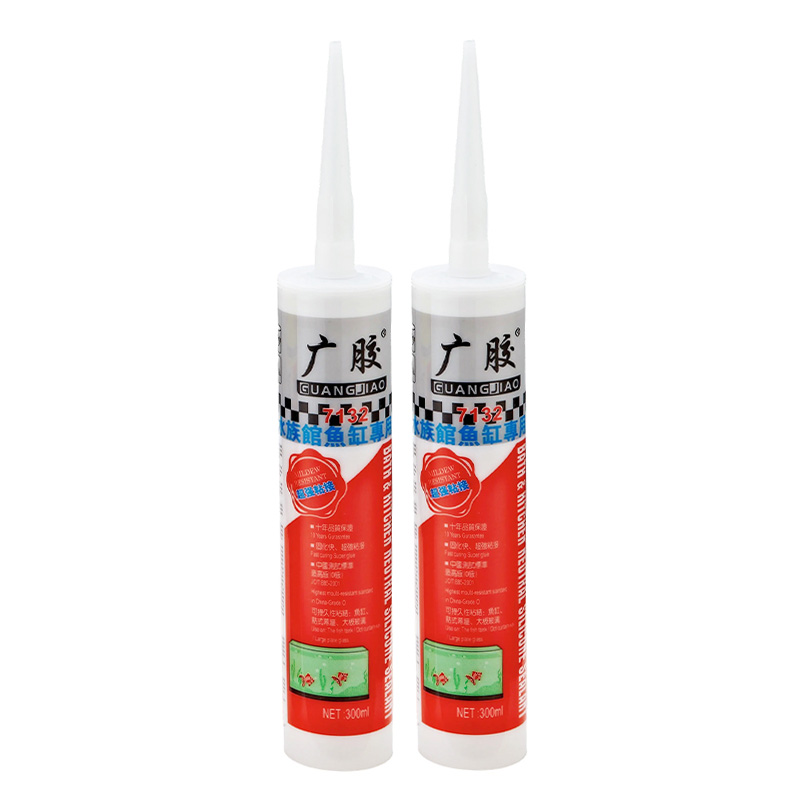
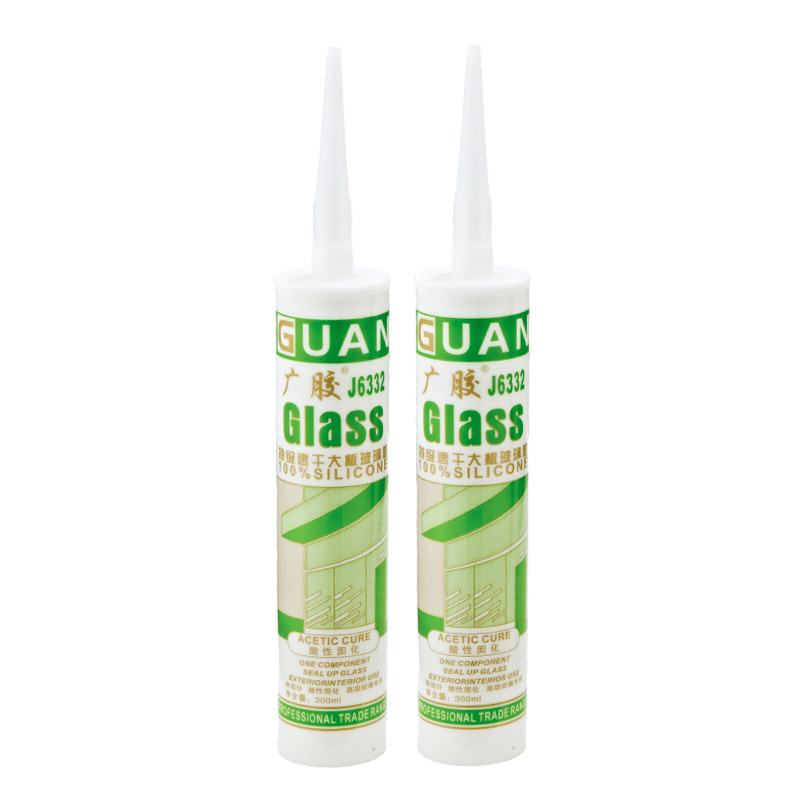
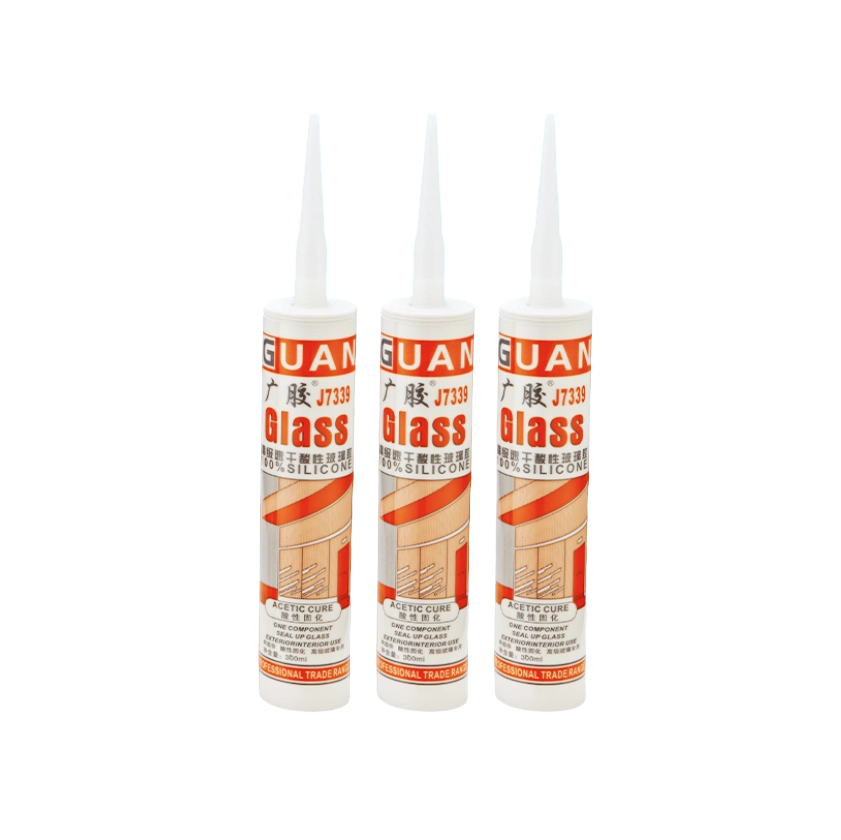
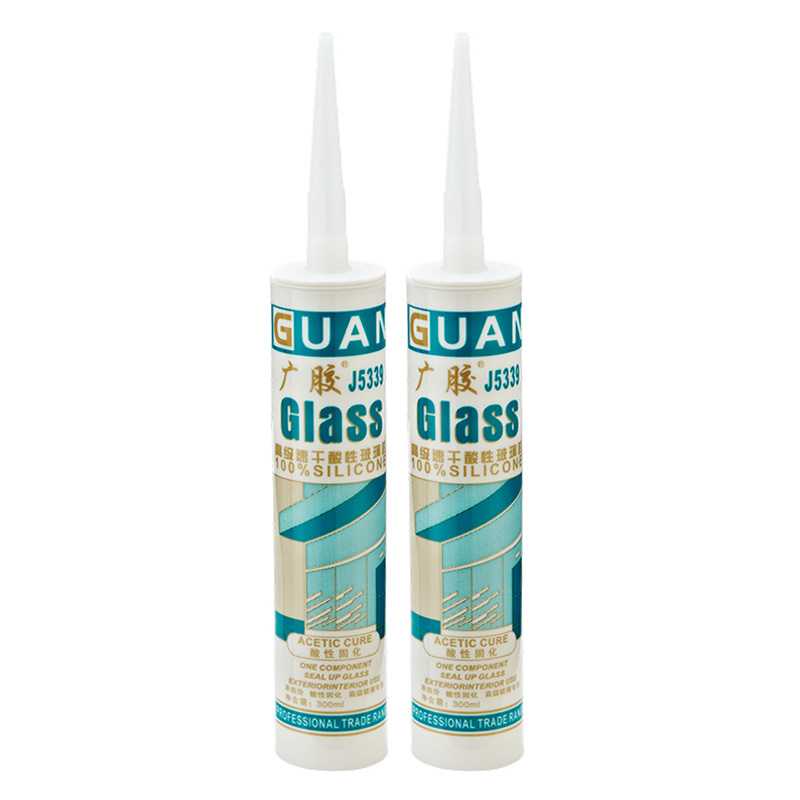
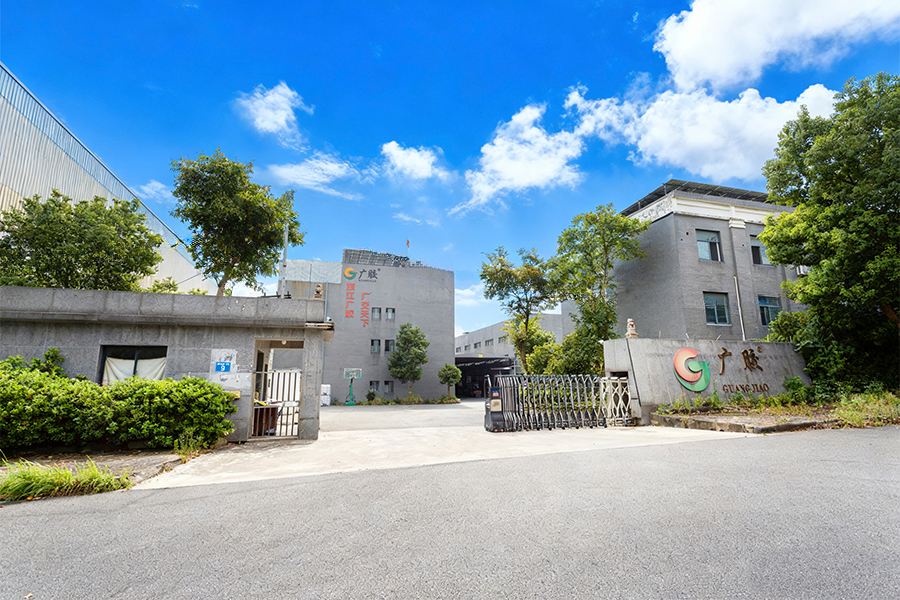
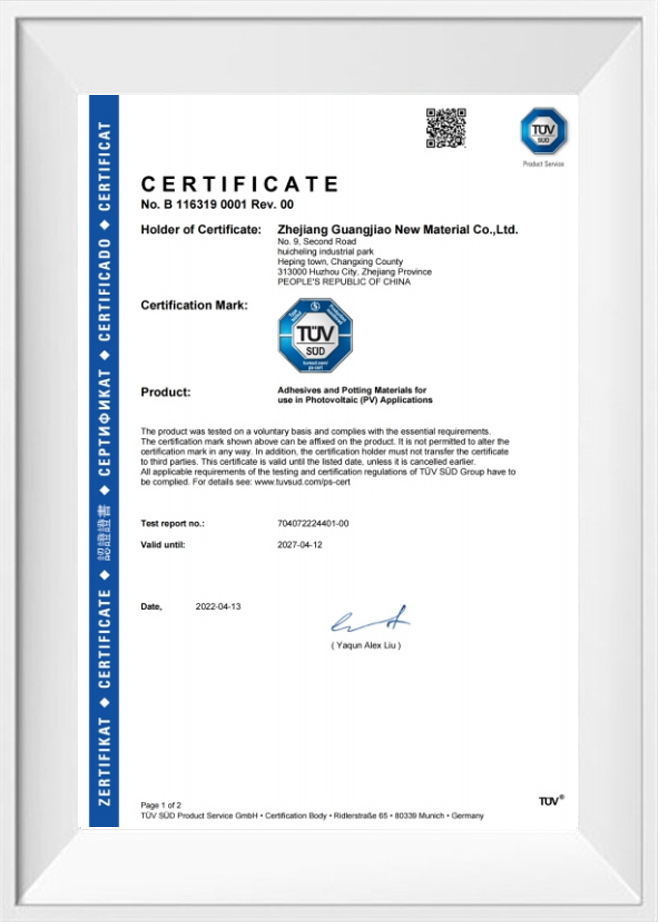
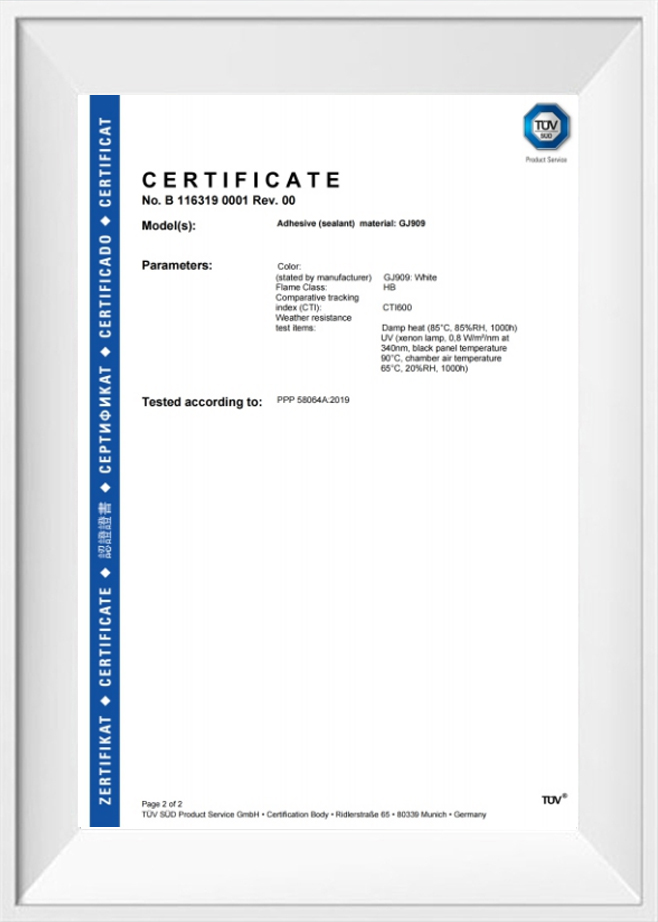
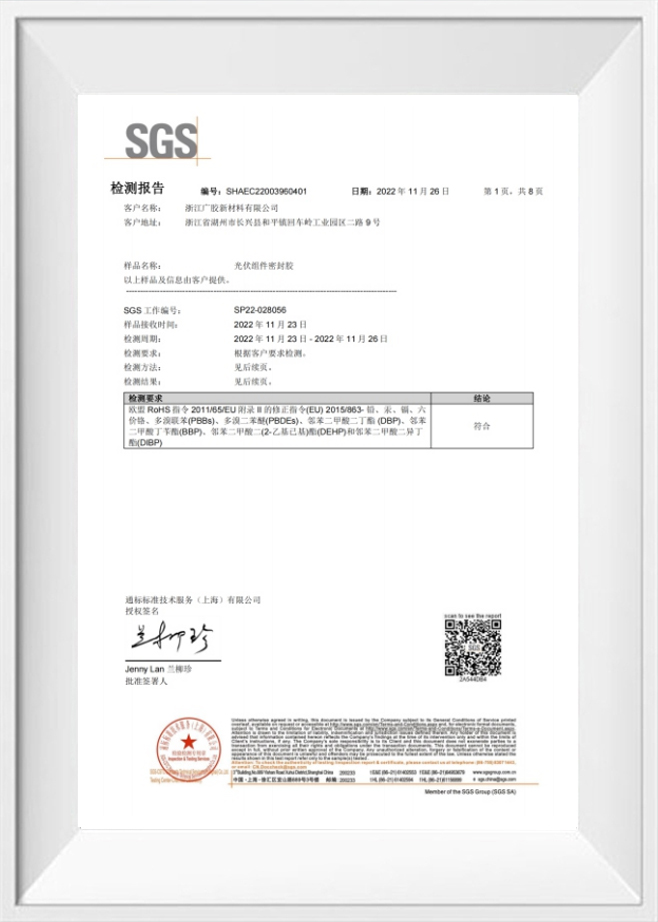
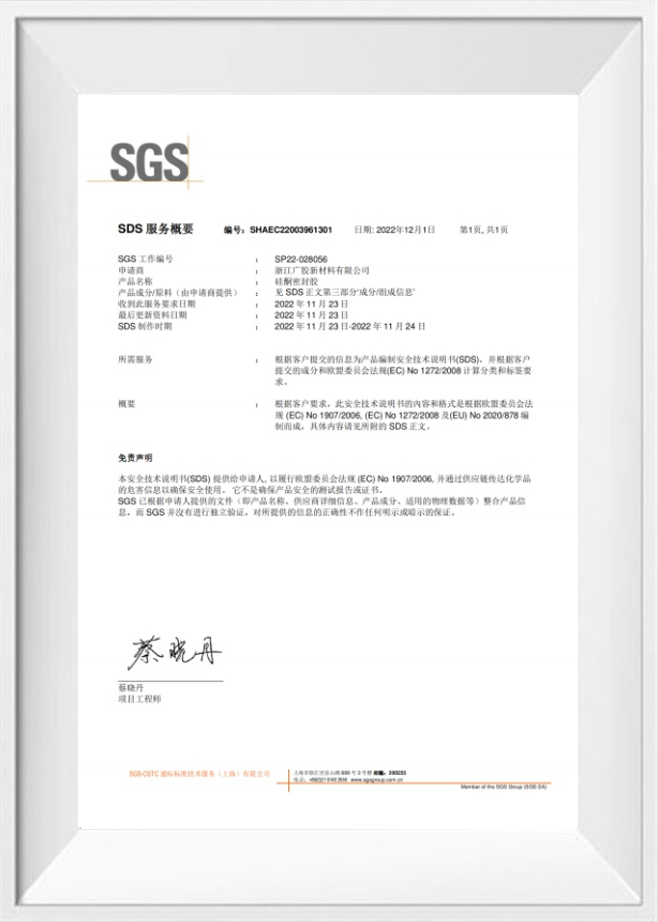
In the field of waterproofing applications, where high-performance sealing is required, Zhejiang Guangjiao New Material Co., Ltd. offers a diverse range of “Guangjiao” series glass sealants. These products are specially formulated to meet rigorous waterproofing demands and have undergone strict product testing to ensure long-lasting, reliable performance.
Conclusion
Acidic curing sealants such as acetoxy silicone sealants offer unmatched advantages in waterproofing systems. Their rapid curing, strong adhesion, flexibility, and resistance to mold and mildew make them essential components in ensuring the integrity and longevity of waterproofing solutions. Whether in construction, automotive, or electronic applications, these sealants provide a durable, efficient, and cost-effective solution.
FAQ
Q1: What is the difference between acidic curing sealants and neutral cure silicone sealants?
- Acidic curing sealants cure faster and are more flexible, making them ideal for applications requiring a quick dry time and water resistance. Neutral cure sealants offer better adhesion to certain materials but take longer to cure.
Q2: Can acidic curing sealants be used in areas with high humidity?
- Yes, acidic curing sealants are specifically designed to provide effective water resistance in high-humidity areas, such as bathrooms and kitchens.
Q3: Are there any precautions when using acidic curing sealants?
- Since they release acetic acid during curing, it’s important to use them in well-ventilated areas to avoid inhaling fumes. Also, avoid contact with sensitive surfaces like natural stones or materials that might be corroded by the acid.
Q4: How long do acidic curing sealants last in waterproofing applications?
- When applied correctly, acidic curing sealants can last for many years, offering lasting protection against water penetration and environmental damage.
Q5: Can I use acidic curing sealant in automotive applications?
- Yes, acetoxy silicone sealants are commonly used in automotive applications to seal joints and components against moisture, dust, and other contaminants.

 English
 Français
 Español