What Are the Key Features to Look for in Outdoor Construction Sealants?
When it comes to ensuring the durability and longevity of outdoor structures, outdoor construction sealants are essential. These sealants provide an effective barrier against harsh environmental conditions, protecting buildings from the elements while maintaining aesthetic appeal. But with numerous sealant options available on the market, it can be challenging to identify the best one for specific applications. What should you look for when selecting a high-performance outdoor sealant?
Weather Resistance
The primary function of outdoor construction sealants is to withstand varying weather conditions. Whether it’s heavy rainfall, intense UV rays, or freezing temperatures, the sealant must remain intact and functional. The key features to consider here are:
-
Water Resistance: A good sealant will prevent water ingress, reducing the risk of mold, rot, and structural damage. Sealants like weatherproof silicone building sealants are specifically designed for this purpose.
-
UV Resistance: Prolonged exposure to UV rays can degrade many sealants, causing them to crack and lose their adhesion. UV-resistant sealants ensure the longevity of the material even under direct sunlight.
-
Temperature Tolerance: Sealants need to perform well across a wide range of temperatures, from scorching heat to freezing cold. Look for materials that maintain flexibility in cold weather and adhesion in hot weather.
| Feature |
Standard Sealant |
UV Resistant Sealant |
Weatherproof Silicone Building Sealant |
| Water Resistance |
Moderate |
High |
High |
| UV Resistance |
Low |
High |
High |
| Temperature Flexibility |
Moderate |
High |
High |
Adhesion Strength
One of the most critical aspects of an outdoor construction sealant is its ability to bond firmly with different substrates, including concrete, glass, metal, and wood. Poor adhesion can lead to leaks, cracks, or detachment of the sealant over time. High-quality sealants such as facade sealants are designed for superior adhesion to building facades and other external elements.
Consider the following types of adhesives:
-
Silicone-based sealants: Known for their excellent adhesion to glass, metal, and ceramics. They are particularly useful in areas subject to expansion and contraction due to temperature fluctuations.
-
Polyurethane sealants: These sealants offer a more robust bond and are ideal for porous surfaces such as concrete and stone.
Elasticity and Flexibility
Outdoor conditions often involve a great deal of movement and stress on the building materials. Sealants that lack flexibility can crack or break when materials expand or contract. Elasticity is therefore an essential feature in ensuring the long-term performance of the sealant.
-
Silicone Sealants: Highly flexible and resistant to cracking, making them suitable for areas where expansion and contraction occur regularly.
-
Polyurethane Sealants: Also highly flexible, but they offer a slightly stronger bond for tougher applications, like pavement joints.
Durability and Longevity
Durability is another critical factor when choosing a construction sealant. An ideal outdoor construction sealant should maintain its protective qualities over time, even with exposure to environmental stressors. A good sealant will not only resist wear and tear from the elements but will also remain intact and maintain a secure bond for years.
-
Silicone Sealants: Known for their high durability and long lifespan, silicone-based products are often the go-to option for outdoor applications, including building windows and facades.
-
Polyurethane Sealants: While slightly less durable than silicone, they still provide excellent long-term performance, particularly in high-traffic areas like floors or doors.
Ease of Application and Maintenance
The ease of applying and maintaining the sealant is another important consideration. Sealants that are easy to apply and require minimal maintenance are preferred for large-scale outdoor applications, as they reduce labor costs and time.
-
Pre-Caulking Features: Some sealants come in pre-caulking formats for easy application, saving time during installation.
-
Low Maintenance: Good-quality sealants need minimal upkeep, as long as they are applied properly. The ability to clean and maintain the sealant without deteriorating its properties is also an essential feature.
Aesthetic Appeal
While functionality is the priority, the aesthetic appearance of the sealant is also important, particularly for applications on visible facades. Sealants that can be painted over or seamlessly blend into the surrounding materials provide additional value.
-
Clear Silicone Sealants: Perfect for applications where the appearance of the sealant is critical. These sealants offer a transparent finish, blending naturally with the surface.
-
Colored Sealants: Available for architectural applications, these can match the color scheme of the building for a uniform appearance.
Environmental and Safety Standards
Many construction projects now require adherence to specific environmental or safety regulations. Outdoor sealants must meet these requirements to ensure they are both effective and compliant. Sealants should be free from harmful VOCs (volatile organic compounds), be non-toxic, and offer minimal environmental impact.
FAQ
1. What is the best type of outdoor construction sealant for UV resistance?
- UV-resistant silicone sealants are the most effective at protecting structures from UV degradation, maintaining their integrity even after prolonged exposure to sunlight.
2. Can I use outdoor construction sealants for both interior and exterior applications?
- Yes, many weatherproof silicone building sealants are versatile and can be used for both interior and exterior applications, although some formulations are specifically designed for outdoor use due to their enhanced weather resistance.
3. Are polyurethane-based sealants better than silicone-based ones?
- Both have their benefits, but silicone sealants offer superior flexibility and UV resistance, making them ideal for outdoor applications. Polyurethane sealants, on the other hand, are often better for bonding to porous surfaces like concrete.
4. How long does an outdoor construction sealant last?
- The longevity of a sealant depends on the material and environmental conditions. Silicone sealants typically last 10-20 years, depending on the application and exposure conditions.
5. Can outdoor sealants be applied in all weather conditions?
- It’s best to apply outdoor sealants in dry conditions with moderate temperatures. Extreme weather conditions such as heavy rain or freezing temperatures can impact the effectiveness of the sealant during application.
Conclusion
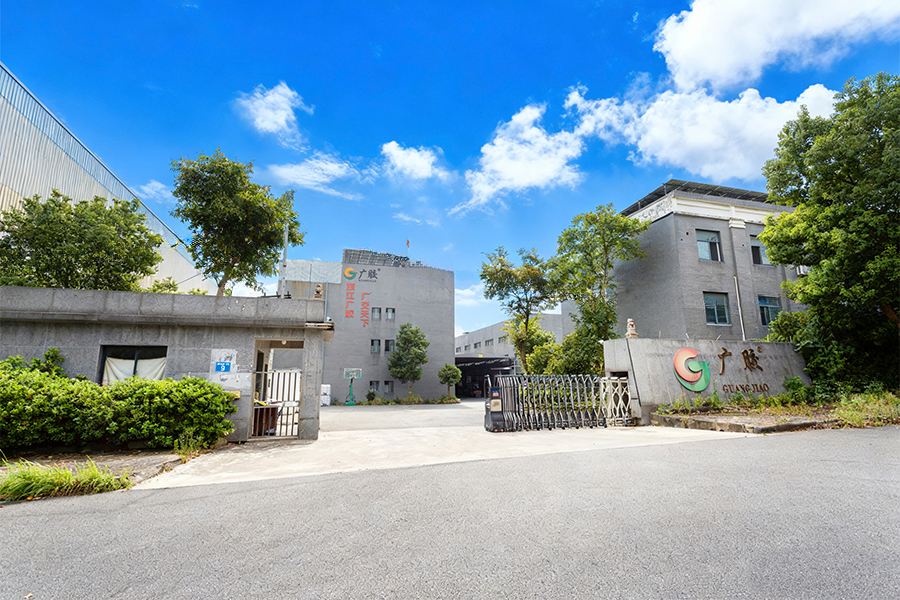
Selecting the right outdoor construction sealant involves considering a variety of factors, including adhesion strength, elasticity, durability, and environmental resistance. Whether you need a UV-resistant sealant, facade sealant, or weatherproof silicone building sealant, understanding the core features of these products will help you make an informed choice. Zhejiang Guangjiao New Material Co., Ltd., leveraging its extensive product line of architectural decoration materials and high-quality silicone sealants, offers solutions designed to ensure the long-term durability and superior performance of outdoor structures. By focusing on these key characteristics, you can select the most suitable sealant to meet your specific requirements, thereby ensuring that your architectural structures remain fully protected against the elements for years to come.

 English
 Français
 Español