
Home/Applications/Elastic Joint Expansion Sealant
TagElastic Joint Expansion Sealant
Engineered for high-movement joints, providing durable elasticity to withstand thermal expansion and structural shifts.
Elastic Joint Expansion Sealant Products
Six formulations from our current range that are tagged for weatherproofing and facade applications.
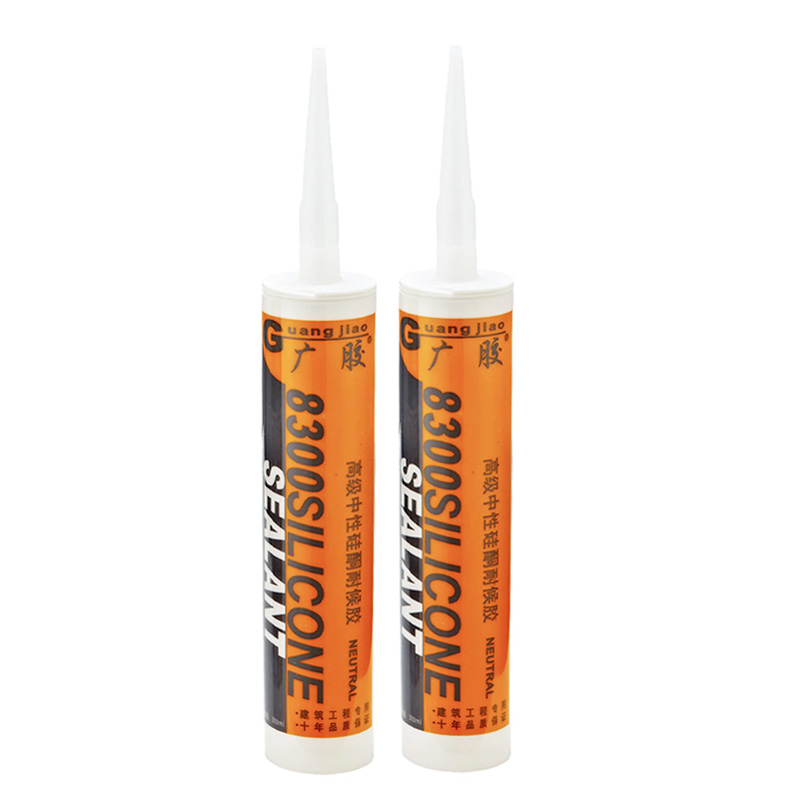
Guangjiao 8300 High-Grade Neutral Silicone Joint Sealant
Guangjiao 8300 Premium Neutral Silicone Weathering Adhesive is a premium neutral silicone weathering...
View More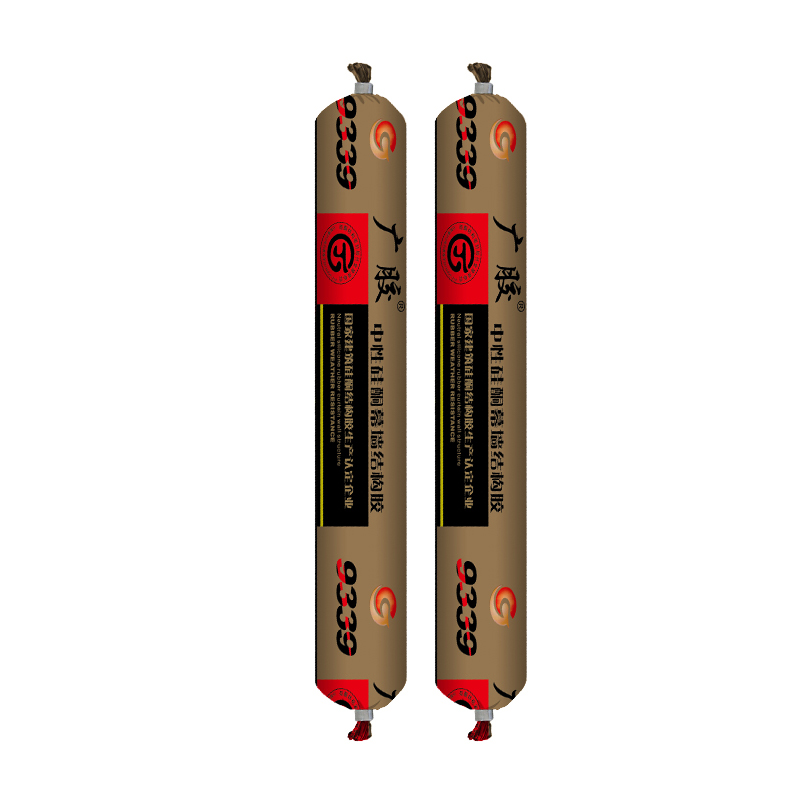
9339 Neutral Silicone Structural Glazing Sealant
9339 is a one-component, neutral-cure silicone structural adhesive specifically developed for high-s...
View More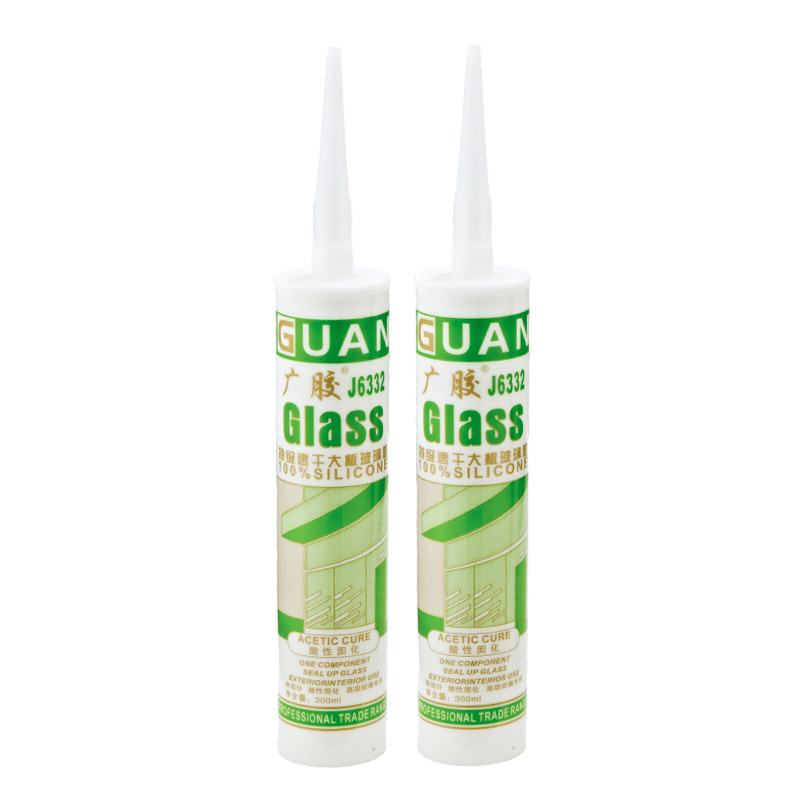
Guangjiao J6332 Premium Fast Cure Glass Silicone Sealant for Large Panels
Guangjiao J6332 Super Quick-Drying Large Panel Glass Adhesive is a fast-curing silicone sealant desi...
View More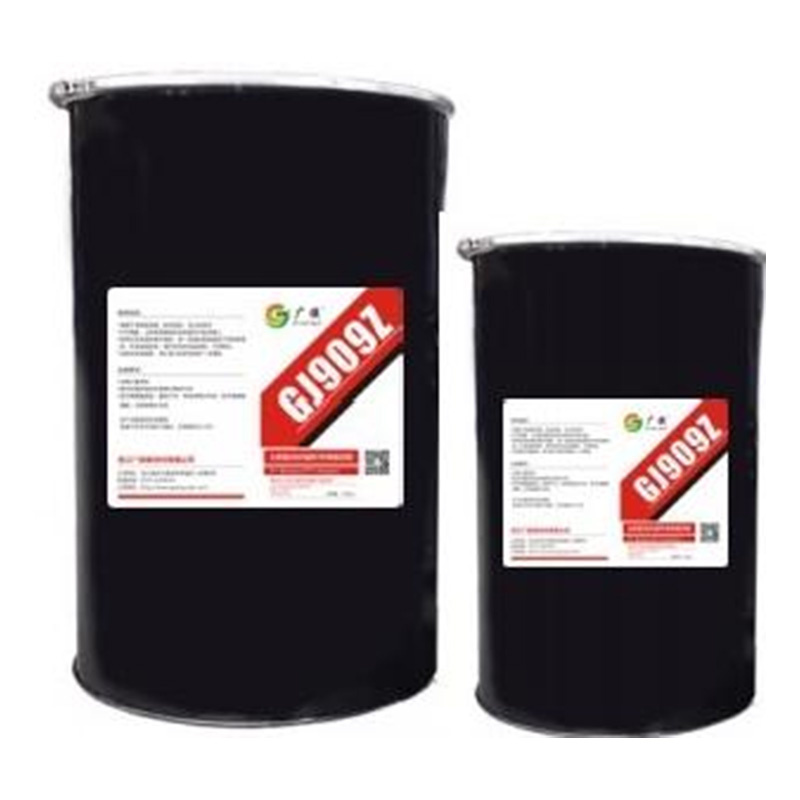
Silicone Sealant for Solar Panel Component
The assembly of the photovoltaic module frame and the laminated components requires a tight fit and ...
View More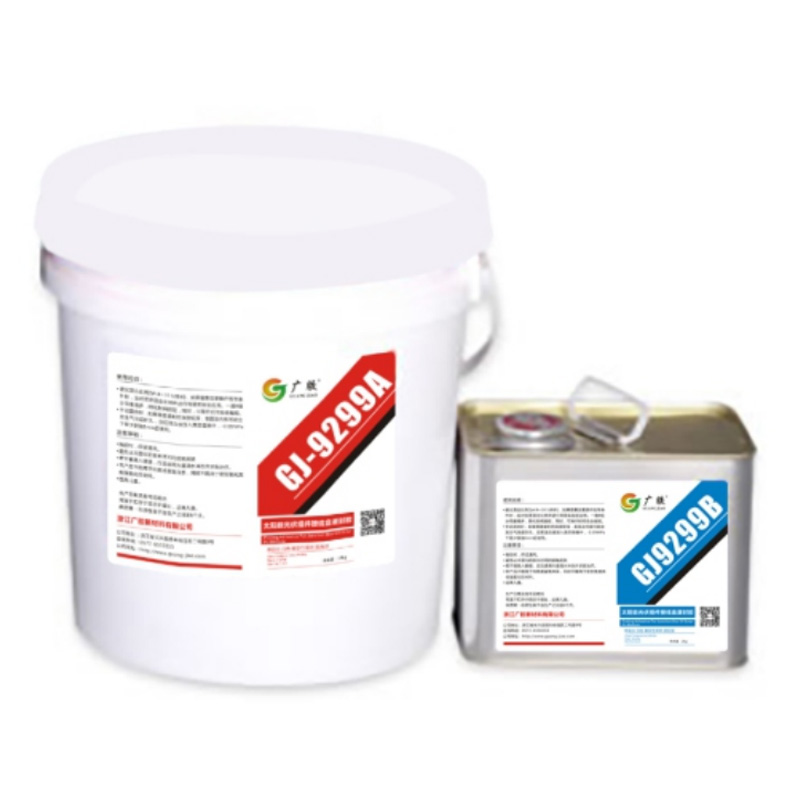
Solar Panel Assembly Junction Box Can Silicone Sealant
Instructions:1. The recommended mixing ratio is A:B = 10:1 (by volume). If operating conditions requ...
View More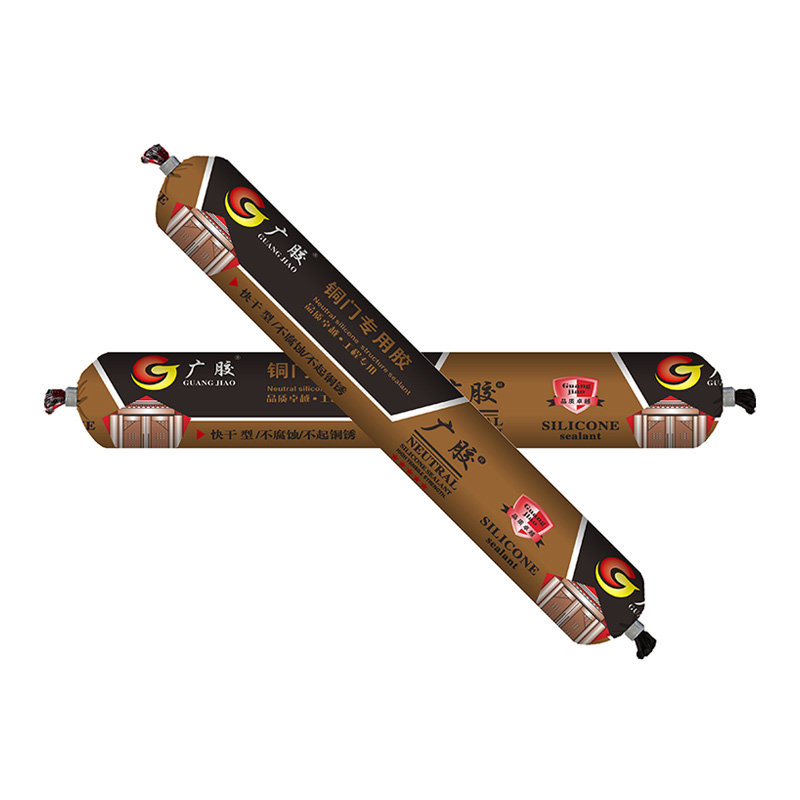
Fast-Drying Non-Corrosive Anti-Tarnish Silicone Sealant for Copper Doors
Quick-drying/non-corrosive/patina-resistant: This copper door adhesive is a fast-drying silicone sea...
View MoreThe Elastic Joint Expansion Sealant is a flexible sealing compound engineered to accommodate the continuous movement, contraction, and expansion that occur at structural and pavement joints. It is formulated to maintain adhesion and elasticity across repeated cycles of thermal and mechanical stress, making it suitable for joints where rigid fillers would eventually crack, debond, or fail to track movement.
The product is primarily used to seal expansion joints, control joints, and construction joints in concrete, masonry, and composite substrates, providing a durable barrier against water infiltration, debris intrusion, and airborne contaminants while preserving the joint's designed capacity for movement.
Key Features of the Elastic Joint Expansion Sealant
Installation and Joint Preparation Guidelines
Proper installation has a direct effect on the long-term performance of any elastic sealant. The following practices are commonly recommended across expansion joint sealing projects:
- Clean the joint of dust, loose debris, oil, and previous sealant residue before application.
- Confirm the joint is dry, as residual moisture can interfere with adhesion during curing.
- Install a compatible backer rod where the joint depth requires it, to control sealant depth and support proper hourglass profile formation.
- Apply the sealant in a continuous bead, tooling it to ensure full contact with both joint faces.
- Allow adequate curing time before exposing the joint to traffic, water immersion, or significant movement.
Performance Under Service Conditions
Joints in pavements, bridge decks, and building facades experience cyclical movement driven by temperature change, structural settlement, and live loading. A sealant intended for these applications is expected to accommodate a defined range of joint movement, described as movement capability, while maintaining adhesion and cohesion across seasonal cycles. Products in this category are also assessed for resistance to ponding water, ultraviolet exposure, and, where relevant, exposure to de-icing salts or mild chemical splash.
Performance is typically evaluated over multiple thermal cycles rather than a single application event, since early-stage adhesion does not always predict long-term behavior once the joint has undergone repeated expansion and contraction.
Application Suitability Across Project Types
The sealant is generally applicable wherever a joint is expected to move within its design range and requires a flexible rather than rigid fill. Selection should account for expected joint width change, exposure to standing water, traffic loading, and whether the joint is horizontal or vertical, since installation technique and tooling differ between orientations.
Comparison with Other Common Joint Sealing Materials
| Sealant Type | Flexibility | Typical Movement Capability | Common Use |
| Elastic Joint Expansion Sealant | High | Moderate to high | Expansion and control joints with active movement |
| Rigid Epoxy Joint Filler | Low | Minimal | Static joints, industrial floor saw cuts |
| Polyurethane Sealant | Moderate to high | Moderate | Pavement and precast joints |
| Silicone Sealant | High | High | Facade and glazing joints, UV-exposed areas |
The comparison above reflects general industry characteristics rather than a specific formulation, and actual performance varies by product batch and manufacturer specification.
Procurement Considerations for Buyers
- Packaging format: confirm whether the product is supplied in cartridges, sausage packs, or pails to match the applicator equipment already in use on site.
- Shelf life and storage: elastic sealants generally have a defined shelf life and require storage within a specified temperature range to preserve workability before application.
- Cure profile: buyers should clarify open time, tack-free time, and full cure time, since these affect scheduling on active job sites.
- Substrate compatibility: verify compatibility with the intended substrate, particularly for painted, coated, or previously sealed surfaces.
- Documentation: request technical data sheets and safety data sheets to confirm handling requirements and compliance with applicable regional regulations.
Frequently Asked Questions
Q1: What distinguishes an elastic joint sealant from a rigid joint filler?
An elastic sealant is designed to stretch and compress with joint movement while maintaining adhesion, whereas a rigid filler does not flex and is intended for joints with little to no expected movement.
Q2: Can this sealant be applied in cold weather conditions?
Application temperature ranges vary by formulation. It is advisable to confirm the manufacturer's recommended minimum substrate and ambient temperature before installation, as curing behavior can slow significantly in cold conditions.
Q3: How is joint width determined before installing the sealant?
Joint width is generally determined by the anticipated range of movement at the joint, along with the sealant's rated movement capability. A backer rod is often used to establish the correct depth-to-width ratio.
Q4: Is surface priming required before application?
Priming requirements depend on the substrate type and condition. Porous or previously treated surfaces may require a primer to achieve reliable adhesion, while some substrates may not need one.
Q5: How long does the sealant take to reach full cure?
Cure time depends on the specific formulation, ambient temperature, humidity, and joint depth. Tack-free time is typically reached well before full cure, and the joint should not be exposed to significant movement or water immersion until full cure is achieved.
Q6: Can the sealant be painted over once cured?
Paintability varies by chemistry. Some elastic sealants accept coatings after full cure, while others are not intended to be painted. This should be confirmed against the specific product's technical documentation.

A dedicated silicone sealant manufacturer
Zhejiang Guangjiao New Material Co., Ltd. is China Elastic Joint Expansion Sealant suppliers and wholesale Elastic Joint Expansion Sealant company. Our facility produces one-part and two-part silicone sealants across structural, weatherproofing, high-temperature and specialty grades, with in-house compounding, filling and quality-control laboratories.
Every batch is tested against internal specifications before release, and formulations can be adjusted for private-label, OEM and project-specific requirements.
Ask about weatherproofing sealant for your project
Send your joint dimensions, substrate and climate exposure - our team will recommend a formulation and MOQ.