
Home/Applications/Sealant for Clean Room Projects
TagSealant for Clean Room Projects
Low-emission, high-purity sealing solutions compliant with strict cleanroom standards to ensure contamination-free environments.
Sealant for Clean Room Projects Products
Six formulations from our current range that are tagged for weatherproofing and facade applications.
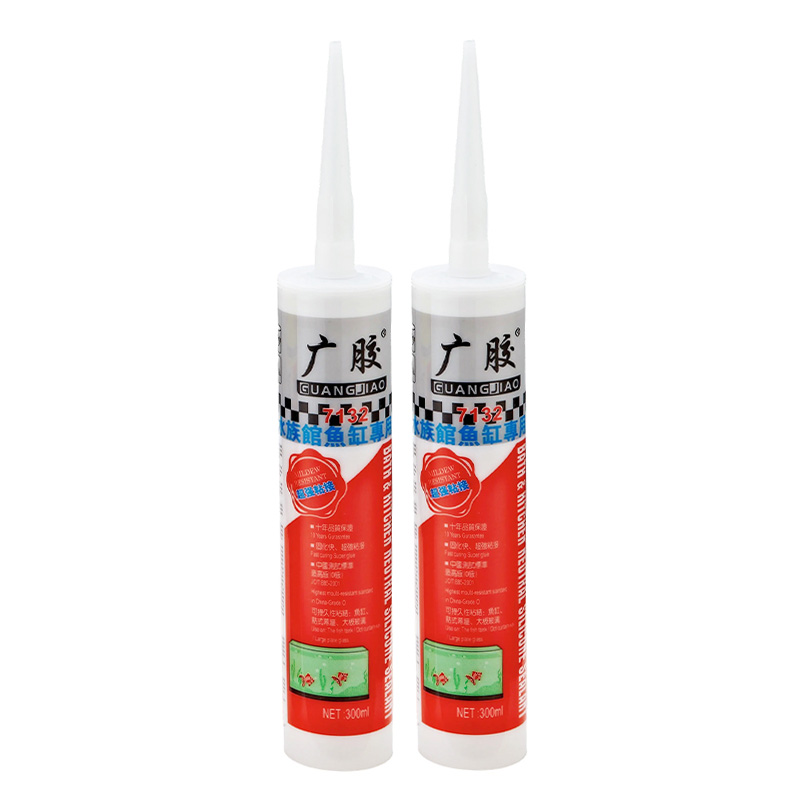
Guangjiao 7132 Aquarium Silicone Sealant for Fish Tank
Guangjiao 7132 Aquarium Fish Tank Adhesive is a high-performance sealant designed for bonding aquari...
View More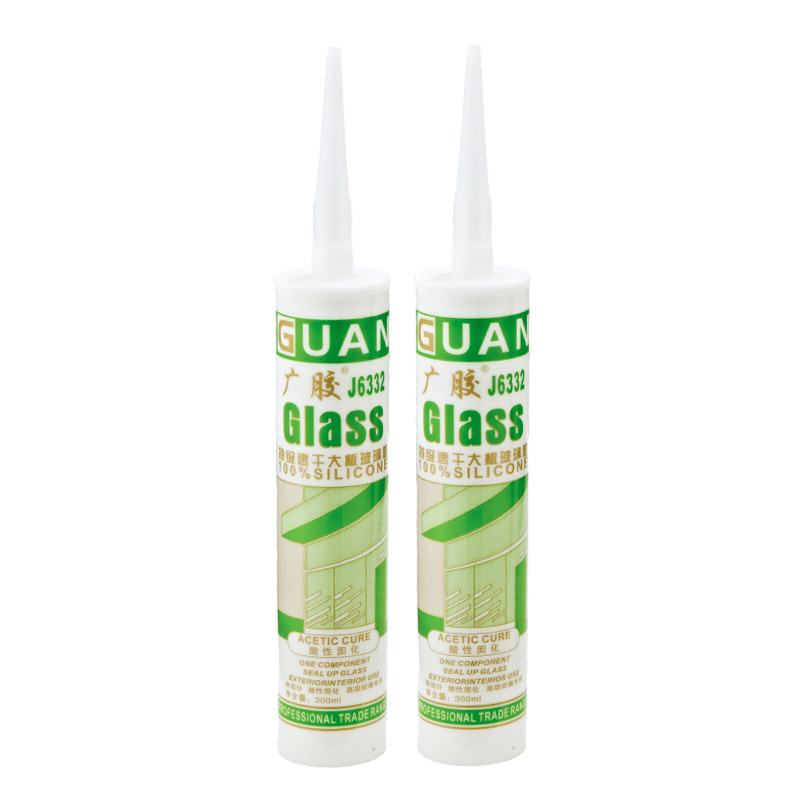
Guangjiao J6332 Premium Fast Cure Glass Silicone Sealant for Large Panels
Guangjiao J6332 Super Quick-Drying Large Panel Glass Adhesive is a fast-curing silicone sealant desi...
View More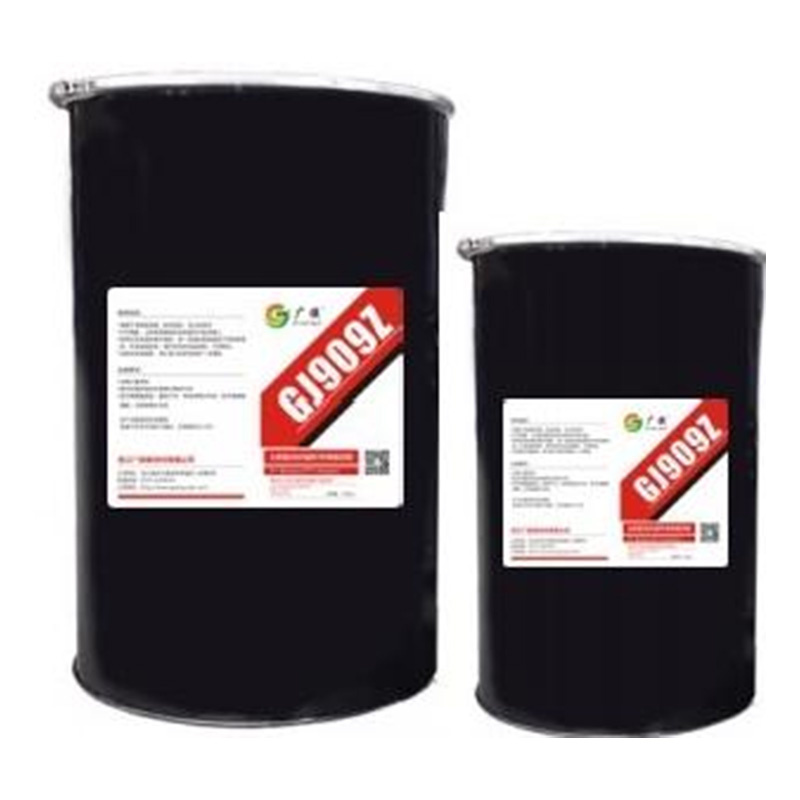
Silicone Sealant for Solar Panel Component
The assembly of the photovoltaic module frame and the laminated components requires a tight fit and ...
View More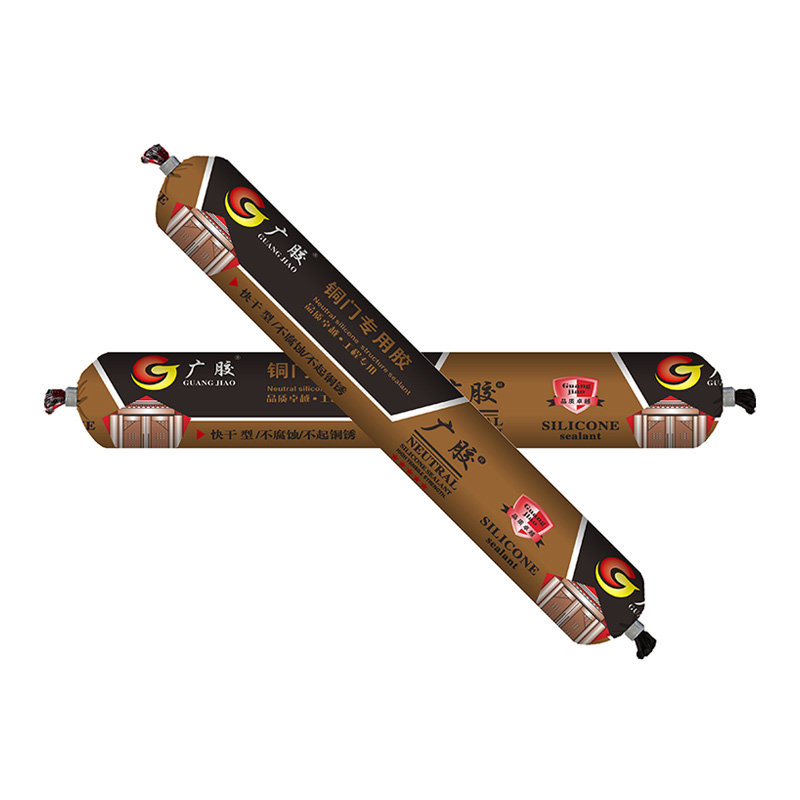
Fast-Drying Non-Corrosive Anti-Tarnish Silicone Sealant for Copper Doors
Quick-drying/non-corrosive/patina-resistant: This copper door adhesive is a fast-drying silicone sea...
View More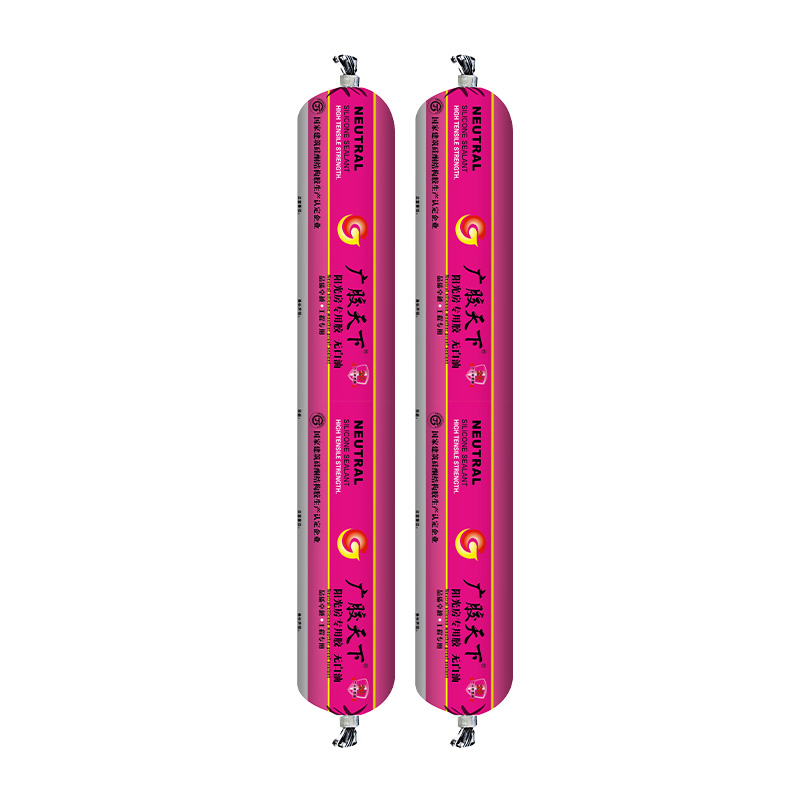
Silicone Sealant for Sunroom and Aluminum Composite Panels
Sunroom/Aluminum-Plastic Panel Adhesive is a high-performance sealant specifically optimized for lig...
View More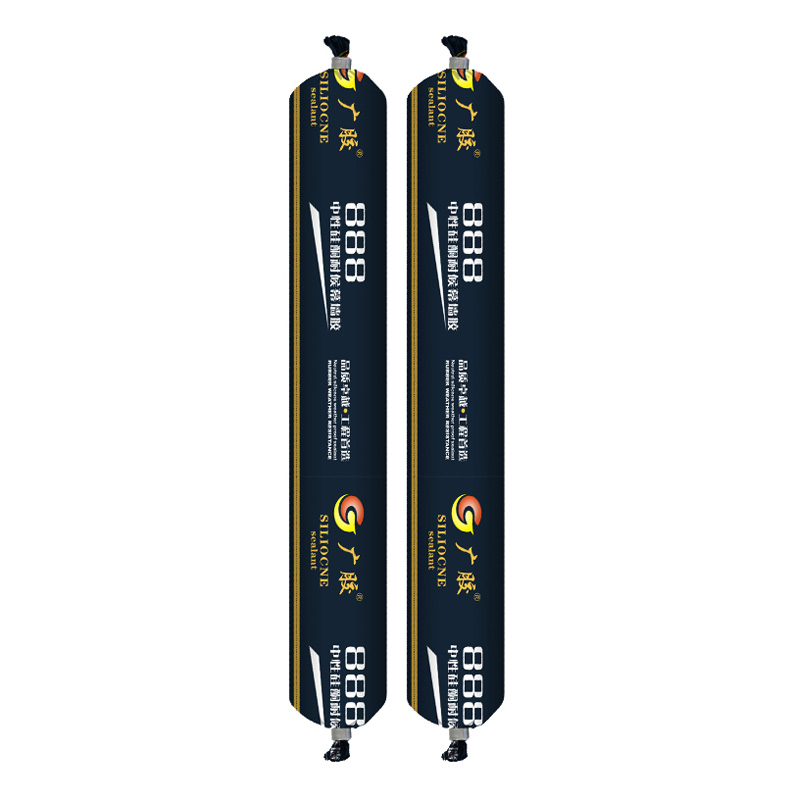
888 Neutral Cure Weatherproof Silicone Sealant for Curtain Walls
888 Neutral Silicone Weatherproof Curtain Wall Adhesive is a high-performance neutral silicone seala...
View MoreSealants formulated for clean room construction are engineered to close joints, panel seams, and penetrations in controlled environments while limiting particulate release, off-gassing, and microbial growth. These materials are selected not only for their adhesive and sealing performance but also for their compatibility with the strict contamination-control requirements found in semiconductor fabrication, pharmaceutical production, biotechnology laboratories, and precision electronics manufacturing.
Unlike general-purpose construction sealants, clean room sealants are typically low-VOC, low-outgassing formulations designed to remain stable under repeated cleaning cycles, temperature fluctuations, and exposure to disinfecting agents. Their role extends beyond basic gap-filling to supporting the overall integrity of a facility's air filtration and pressure-differential systems by preventing unwanted air or particulate infiltration through structural joints.
Key Features of Sealant for Clean Room Projects
Cured formulations resist flaking and abrasion, reducing the release of fine particles that could compromise cleanroom classification levels.
Reduced volatile organic compound emission after curing helps maintain air purity standards required in sensitive manufacturing zones.
Formulated to withstand repeated exposure to common cleanroom disinfectants and cleaning agents without significant degradation.
Maintains elasticity across temperature and humidity variation, helping preserve a continuous seal along panel and wall joints.
Cured surfaces are formulated to inhibit mold and bacterial colonization, supporting biocontamination control protocols.
Cures to a non-porous surface that is easier to wipe down during routine cleaning without trapping residue in surface texture.
Material Composition and Chemical Resistance Considerations
Clean room sealants are commonly based on silicone, polyurethane, or acrylic chemistries, each offering a different balance of flexibility, adhesion, and chemical tolerance. Silicone-based products are widely used where continued flexibility and a broad service temperature range are priorities, while polyurethane formulations are often selected for higher abrasion resistance in areas subject to foot or equipment traffic.
- Resistance to isopropyl alcohol, hydrogen peroxide vapor, and quaternary ammonium-based disinfectants is a common evaluation criterion.
- Cure chemistry (neutral cure versus acetoxy cure) affects both odor during application and compatibility with adjacent substrates.
- Color-stable formulations are often preferred to allow visual inspection of joint integrity over time.
Installation and Application Guidelines
Proper surface preparation is central to achieving a durable, contamination-resistant seal. Substrates should be clean, dry, and free of oils, dust, or residues from prior sealants before application. Joint dimensions should be assessed to confirm compatibility with the sealant's recommended width-to-depth ratio, and backer rod is frequently used in wider joints to control sealant depth and support proper tooling.
Clean, dry, and residue-free substrates improve adhesion consistency
Full cure schedules should be respected before exposure to cleaning agents
Proper tooling produces a smooth, cleanable bead profile
- Confirm ambient temperature and humidity fall within the manufacturer's recommended application range.
- Mask adjacent surfaces to maintain clean, straight joint lines.
- Apply sealant in a continuous, void-free bead to avoid air pockets that could later trap particulates.
- Tool the bead promptly to achieve a smooth, low-profile finish suited to routine wipe-down cleaning.
- Allow full cure before subjecting the joint to cleaning chemicals or mechanical stress.
Maintenance and Long-Term Performance in Controlled Environments
Once cured, cleanroom sealant joints should be included in routine facility inspection schedules to identify early signs of cracking, discoloration, or separation from substrates. Periodic visual inspection is generally sufficient for most installations, with more detailed assessment recommended in areas subject to frequent equipment movement, vibration, or temperature cycling.
Because cleanroom environments rely on consistent air filtration and pressure control, any compromised joint has the potential to affect particulate counts. Facilities often incorporate sealant joint checks into their broader preventive maintenance and requalification procedures.
Application Suitability Across Cleanroom Classifications
Sealant selection is often influenced by the classification level of the space in which it will be used, as more stringent environments place tighter limits on acceptable particulate and outgassing levels. Facilities operating at higher classification levels, such as those used in semiconductor lithography or sterile pharmaceutical compounding, typically require sealants with documented low-particulate and low-outgassing performance.
- Semiconductor and electronics manufacturing: emphasis on ultra-low particulate generation and ionic contamination control.
- Pharmaceutical and biotechnology facilities: emphasis on chemical resistance to sanitizing agents and compatibility with validated cleaning protocols.
- Medical device assembly areas: emphasis on smooth, non-porous finishes that support consistent cleaning validation.
- General controlled manufacturing environments: broader tolerance for sealant chemistry, with focus on durability and ease of application.
Comparison with Related Sealing Solutions for Controlled Environments
The table below outlines general distinctions between common sealant categories used in controlled or semi-controlled environments. These are broad category comparisons rather than performance specifications for any single product.
| Sealant Type | Typical Flexibility | Chemical Resistance | Common Use Case |
| Cleanroom-Grade Silicone | High | Moderate to High | Panel joints, wall-to-ceiling transitions |
| Cleanroom-Grade Polyurethane | Moderate | High | Floor joints, high-traffic seams |
| General-Purpose Construction Sealant | Moderate | Low to Moderate | Non-controlled building joints |
| Epoxy-Based Sealant | Low | High | Rigid joints requiring chemical exposure resistance |
Procurement Considerations for Bulk and Project-Based Orders
Buyers sourcing sealant for cleanroom construction projects typically evaluate several factors beyond base material performance. These considerations help align procurement decisions with project timelines, documentation requirements, and facility qualification standards.
Availability of outgassing, particulate, and chemical resistance test data to support facility qualification records.
Consistent formulation across production batches to support repeatable results on multi-phase construction projects.
Cartridge, sausage, or bulk packaging options suited to project scale, along with clearly stated shelf life under recommended storage conditions.
Reliable production and delivery scheduling to avoid delays on time-sensitive cleanroom build-outs or renovation phases.
Frequently Asked Questions
Q1: What makes a sealant suitable for cleanroom use compared to standard construction sealant?
Cleanroom sealants are formulated to minimize particulate shedding and volatile compound emission after curing, and they generally offer a smoother, non-porous finish that supports repeated cleaning without degrading. Standard construction sealants are not typically evaluated against these criteria.
Q2: Can cleanroom sealant be applied to both wall panels and flooring joints?
Many formulations are suitable for panel and wall applications, while floor joints often call for a sealant with higher abrasion and traffic resistance. Reviewing the intended joint location against the sealant's recommended use cases helps confirm suitability.
Q3: How does cure time affect cleanroom readiness after installation?
Full cure should generally be reached before a space is exposed to cleaning chemicals, high humidity, or mechanical stress, since partially cured sealant may be more prone to surface damage or incomplete chemical resistance.
Q4: Is cleanroom sealant resistant to all disinfectants used in controlled environments?
Chemical resistance varies by sealant chemistry, and no single formulation is universally resistant to every disinfectant. It is common practice to confirm compatibility with the specific cleaning agents used in a given facility before large-scale application.
Q5: What storage conditions help preserve sealant shelf life before use?
Most cleanroom sealants should be stored in a cool, dry location away from direct sunlight and temperature extremes, following the manufacturer's stated storage guidance to maintain performance through the labeled shelf life.
Q6: How often should cleanroom sealant joints be inspected after installation?
Inspection frequency is typically tied to a facility's broader preventive maintenance schedule, with more frequent checks recommended in areas experiencing vibration, temperature cycling, or heavy equipment movement.
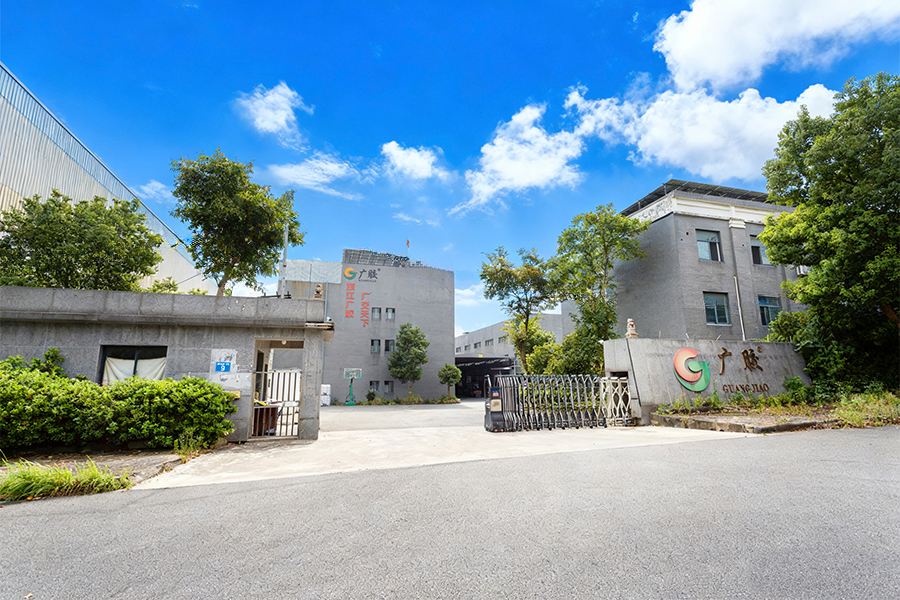
A dedicated silicone sealant manufacturer
Zhejiang Guangjiao New Material Co., Ltd. is China Sealant for Clean Room Projects suppliers and wholesale Sealant for Clean Room Projects company. Our facility produces one-part and two-part silicone sealants across structural, weatherproofing, high-temperature and specialty grades, with in-house compounding, filling and quality-control laboratories.
Every batch is tested against internal specifications before release, and formulations can be adjusted for private-label, OEM and project-specific requirements.
Ask about weatherproofing sealant for your project
Send your joint dimensions, substrate and climate exposure - our team will recommend a formulation and MOQ.