
Home/Applications/Sealant for Cold Storage Construction
TagSealant for Cold Storage Construction
Extreme temperature resilience and airtight reliability, specifically formulated for the unique rigors of cold chain infrastructure.
Sealant for Cold Storage Construction Products
Six formulations from our current range that are tagged for weatherproofing and facade applications.
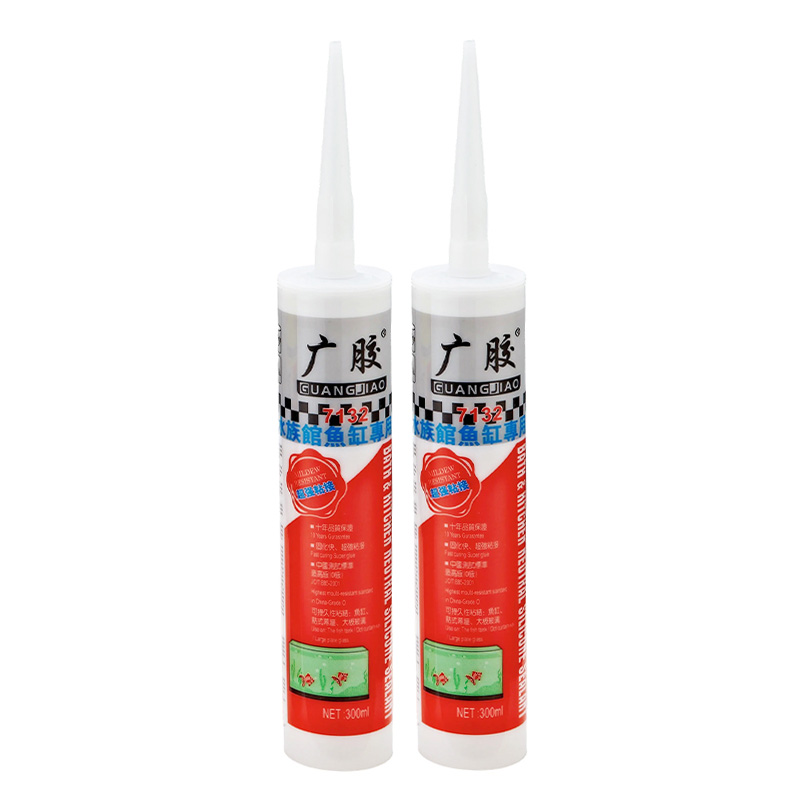
Guangjiao 7132 Aquarium Silicone Sealant for Fish Tank
Guangjiao 7132 Aquarium Fish Tank Adhesive is a high-performance sealant designed for bonding aquari...
View More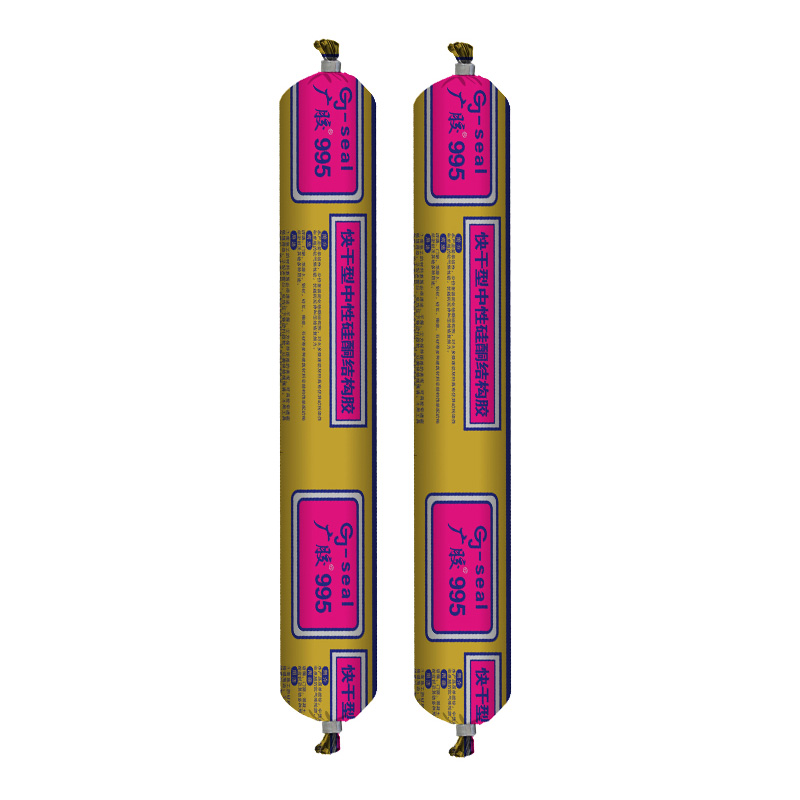
995 Fast Cure Neutral Silicone Construction Sealant
995 Fast-Drying Neutral Silicone Structural Adhesive is a one-component, neutral-curing, fast-dealco...
View More
Silicone Sealant for Solar Panel Component
The assembly of the photovoltaic module frame and the laminated components requires a tight fit and ...
View More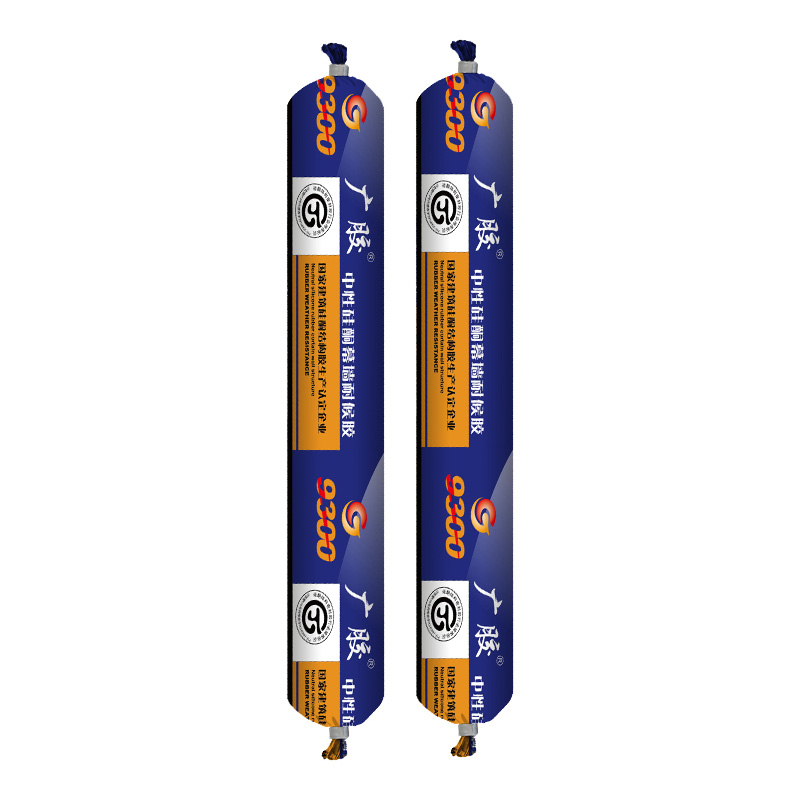
9300 Neutral Weatherproof Silicone Construction Sealant
9300 Neutral Silicone Weatherproof Curtain Wall Adhesive is a single-component neutral silicone seal...
View More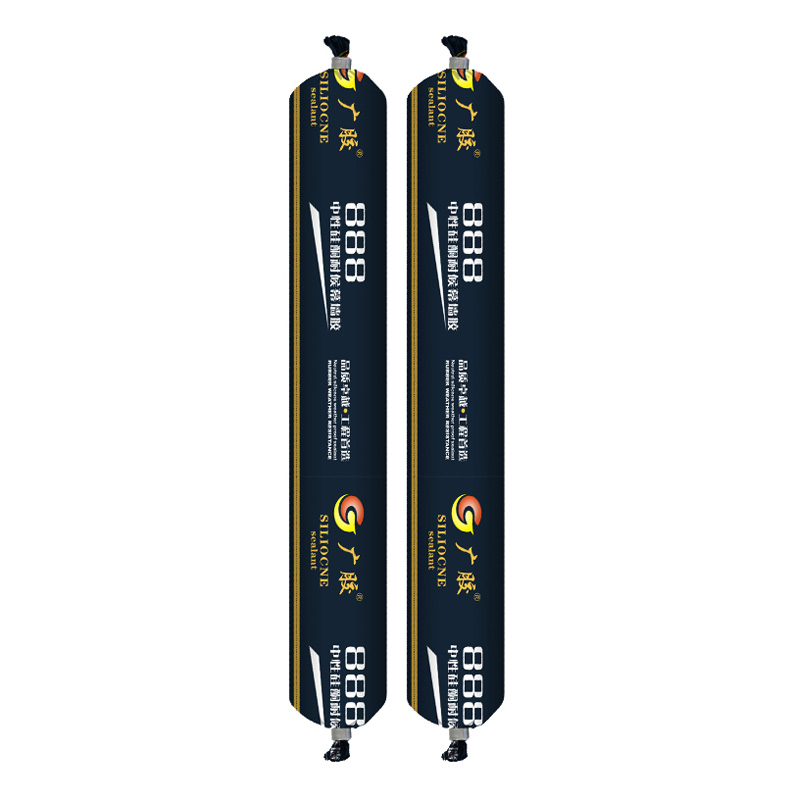
888 Neutral Cure Weatherproof Silicone Sealant for Curtain Walls
888 Neutral Silicone Weatherproof Curtain Wall Adhesive is a high-performance neutral silicone seala...
View More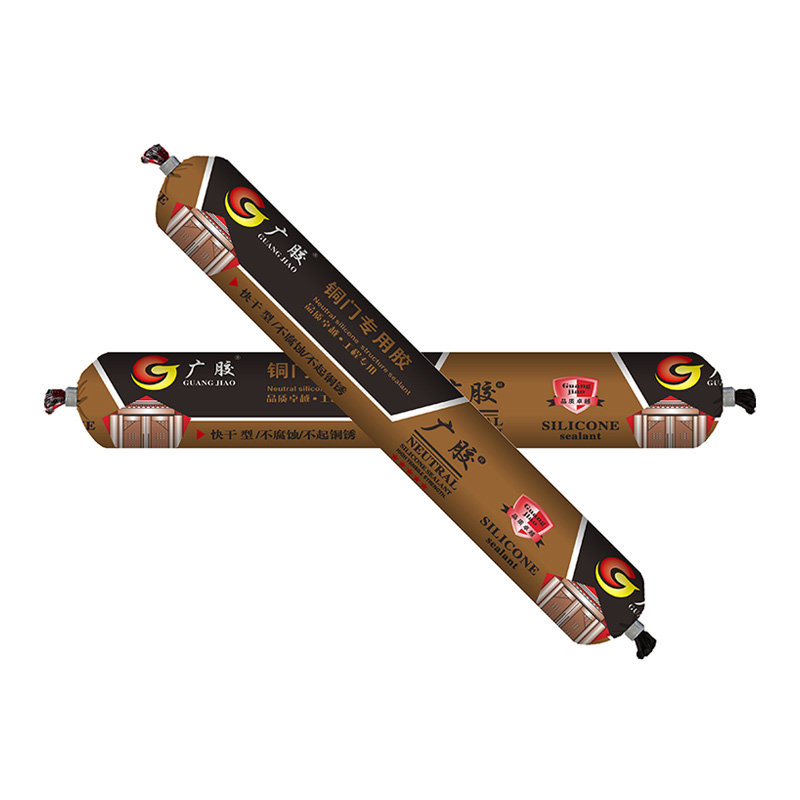
Fast-Drying Non-Corrosive Anti-Tarnish Silicone Sealant for Copper Doors
Quick-drying/non-corrosive/patina-resistant: This copper door adhesive is a fast-drying silicone sea...
View MoreSealant for cold storage construction is a specialized building material engineered to maintain airtight and moisture-resistant joints in refrigerated and freezer facilities. It is formulated to remain flexible and adhesive across a wide temperature range, allowing it to accommodate the repeated expansion and contraction that occurs as panels, doors, and structural joints cycle between ambient and sub-zero conditions. Its primary function is to prevent air infiltration, vapor transmission, and thermal bridging at panel seams, corner junctions, and penetrations, which directly supports the energy efficiency and structural integrity of the cold chain envelope.
Within cold storage construction, this category of sealant is applied to insulated metal panels, floor-to-wall transitions, door frames, and refrigeration line penetrations. Because these facilities operate continuously under sustained low temperatures and fluctuating humidity, the sealant must resist cracking, shrinkage, and adhesion loss over long service periods. Selection is typically guided by joint movement capacity, low-temperature flexibility, vapor permeability, and compatibility with the panel substrate, rather than by general-purpose sealing performance alone.
Key Features of Cold Storage Construction Sealant
Low-Temperature Flexibility
Retains elasticity and adhesion at sustained sub-zero temperatures, reducing the risk of joint cracking during thermal cycling.
Vapor and Moisture Resistance
Forms a continuous barrier that limits vapor drive into insulated panel cores, helping prevent condensation and ice formation within the wall assembly.
Joint Movement Accommodation
Designed to absorb repeated expansion and contraction at panel seams without losing bond strength or forming gaps.
Substrate Adhesion
Bonds effectively to common panel facings, including coated steel and aluminum, supporting long-term seal reliability across mixed material joints.
Installation and Maintenance Considerations for Cold Storage Sealant
- Surfaces should be clean, dry, and free of frost, oil, or dust before application, as contamination can significantly reduce bond strength.
- Ambient and substrate temperatures during application typically need to fall within the range specified by the sealant manufacturer, since curing behavior can slow considerably in cold conditions.
- Joint dimensions should follow recommended width-to-depth ratios to allow the sealant to flex properly under thermal movement rather than tearing.
- Backer rod or bond-breaker tape is commonly used in deeper joints to control sealant depth and promote proper hourglass profile formation.
- Periodic visual inspection of high-movement joints, such as door frame perimeters and panel corners, helps identify early signs of cracking or separation before insulation performance is affected.
- Resealing intervals depend on facility operating conditions, joint exposure, and traffic, and should be assessed as part of routine facility maintenance programs.
Performance in Sustained Low-Temperature Environments
Thermal Cycling
Formulated to withstand repeated freeze-thaw and defrost cycles without becoming brittle or losing surface adhesion.
Humidity Exposure
Maintains a stable seal in the high-humidity, condensation-prone conditions typical near dock doors and defrost zones.
Service Longevity
Engineered for extended in-service life under continuous refrigerated operation, reducing the frequency of maintenance resealing.
Note: Actual performance depends on joint design, substrate preparation, and facility operating temperature, so on-site evaluation is recommended prior to large-scale application.
Application Compatibility Across Cold Storage Structures
- Insulated panel seams: Vertical and horizontal joints between insulated metal panels in walls and ceilings.
- Floor-to-wall transitions: Junctions where panel systems meet concrete or resin flooring, an area prone to thermal bridging.
- Door and dock frames: Perimeters of freezer and cooler doors, which experience frequent thermal and mechanical stress.
- Penetrations: Openings for refrigeration lines, electrical conduit, and structural fasteners passing through insulated assemblies.
- Corner and transition details: Interior and exterior corners where panel alignment tolerances are tightest.
Comparison with Related Sealant Types Used in Refrigerated Construction
| Sealant Type | Low-Temperature Flexibility | Typical Use in Cold Storage |
|---|---|---|
| Cold storage panel sealant | High | Panel seams, door frames, penetrations |
| General-purpose silicone sealant | Moderate | Non-insulated interior joints |
| Polyurethane construction sealant | Moderate to low | Structural joints in ambient conditions |
| Butyl rubber tape sealant | High | Panel lap joints, vapor barrier detailing |
| Acrylic latex sealant | Low | Interior trim in non-refrigerated areas |
Procurement Considerations for Cold Storage Sealant Buyers
- Certifications and compliance: Documentation confirming suitability for food-grade or refrigerated facility environments where applicable.
- Packaging and shelf life: Cartridge, sausage, or bulk packaging options, along with storage temperature requirements prior to use.
- Supply consistency: Availability of stable lot-to-lot formulation for large or phased construction projects.
- Technical documentation: Access to application guidelines, joint design recommendations, and substrate compatibility data.
- Color and finish options: Availability of colors matching common panel finishes for consistent visual appearance.
- Technical support: Availability of guidance for project-specific joint design or troubleshooting during installation.
Frequently Asked Questions
Q1: What makes a sealant suitable for cold storage construction rather than general building use?
Cold storage sealants are formulated to remain flexible and adhesive at sustained sub-zero temperatures, whereas general-purpose sealants can become brittle and lose bond strength under the same conditions. They are also selected for compatibility with insulated panel substrates and for resistance to the repeated thermal cycling common in refrigerated facilities.
Q2: Can this sealant be applied directly in a freezer environment?
Application conditions depend on the specific product formulation. Many cold storage sealants require a minimum application temperature for proper curing, so installation is often completed before the facility reaches full operating temperature, or under conditions specified by the manufacturer.
Q3: How does this sealant help prevent condensation within insulated panels?
By forming a continuous, low-permeability barrier at panel joints and penetrations, the sealant limits vapor movement into the insulation core. This reduces the likelihood of moisture accumulation and ice formation within the wall assembly over time.
Q4: How often does cold storage sealant need to be reapplied?
Reapplication intervals vary based on joint location, movement exposure, and facility operating conditions. High-movement areas such as door frames may require more frequent inspection and resealing compared to static panel seams.
Q5: Is this sealant compatible with all insulated panel finishes?
Compatibility depends on the panel facing material, such as coated steel, aluminum, or fiberglass-reinforced panels. It is recommended to confirm substrate compatibility with the sealant manufacturer or through a small-scale adhesion test before full application.
Q6: What joint design factors affect sealant performance in cold storage facilities?
Joint width, depth, and movement capacity all influence long-term performance. Properly sized joints with appropriate backer rod support allow the sealant to flex without overstressing the bond line, which helps maintain an effective seal through repeated thermal cycling.

A dedicated silicone sealant manufacturer
Zhejiang Guangjiao New Material Co., Ltd. is China Sealant for Cold Storage Construction suppliers and wholesale Sealant for Cold Storage Construction company. Our facility produces one-part and two-part silicone sealants across structural, weatherproofing, high-temperature and specialty grades, with in-house compounding, filling and quality-control laboratories.
Every batch is tested against internal specifications before release, and formulations can be adjusted for private-label, OEM and project-specific requirements.
Ask about weatherproofing sealant for your project
Send your joint dimensions, substrate and climate exposure - our team will recommend a formulation and MOQ.