
Home/Applications/Anti-Mold Sanitary Sealant
TagAnti-Mold Sanitary Sealant
Superior mold resistance for a cleaner, healthier, and longer-lasting seal in high-moisture environments.
Anti-Mold Sanitary Sealant Products
Six formulations from our current range that are tagged for weatherproofing and facade applications.
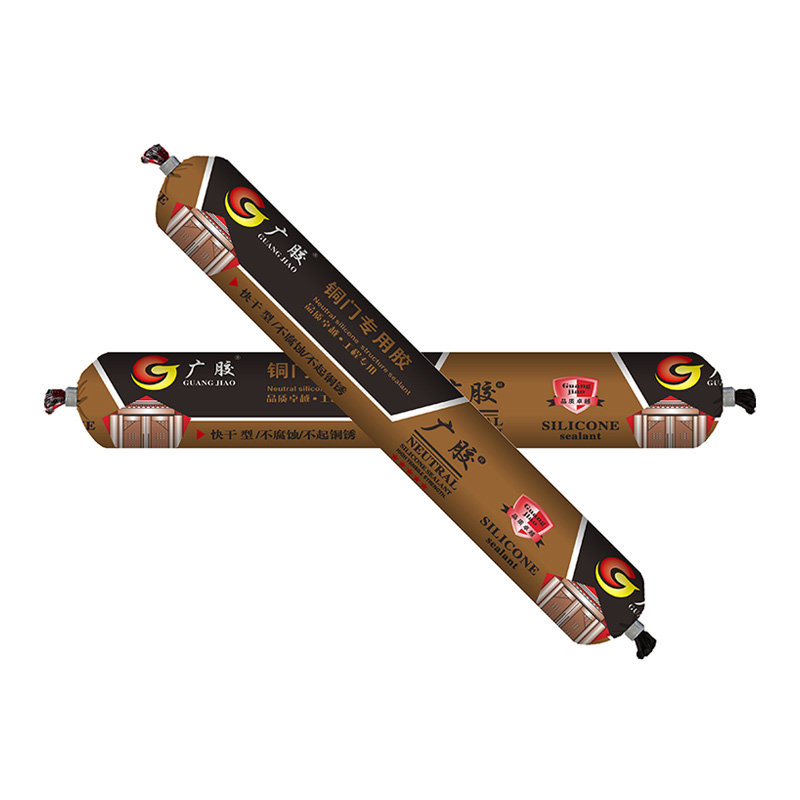
Fast-Drying Non-Corrosive Anti-Tarnish Silicone Sealant for Copper Doors
Quick-drying/non-corrosive/patina-resistant: This copper door adhesive is a fast-drying silicone sea...
View More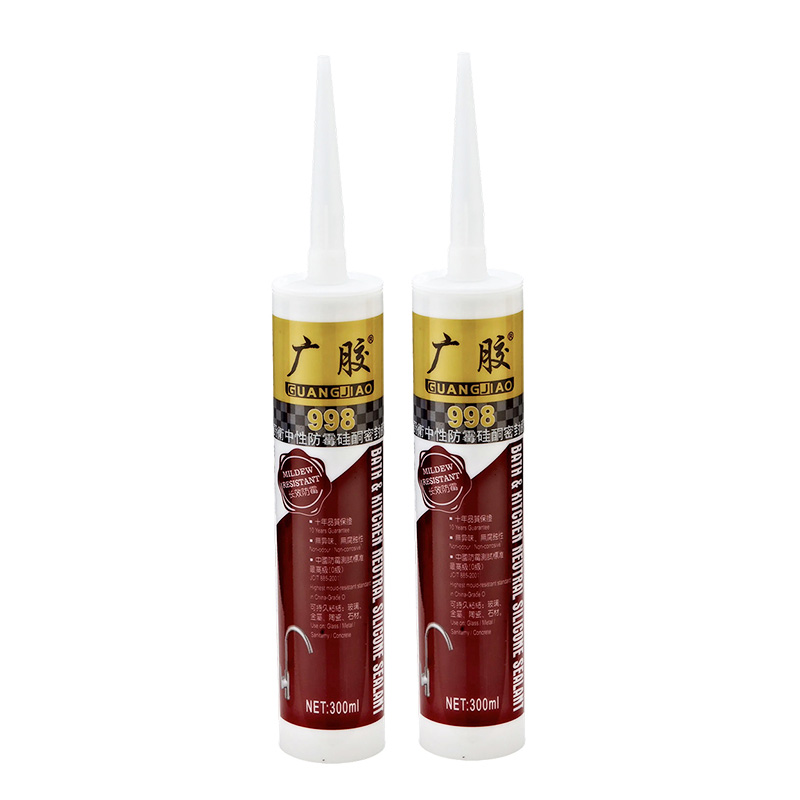
Guangjiao 998 Neutral Silicone Anti-Mildew Sealant
Guangjiao 998 Neutral Silicone Anti-Mold Sealant is a single-component, neutral-curing silicone seal...
View More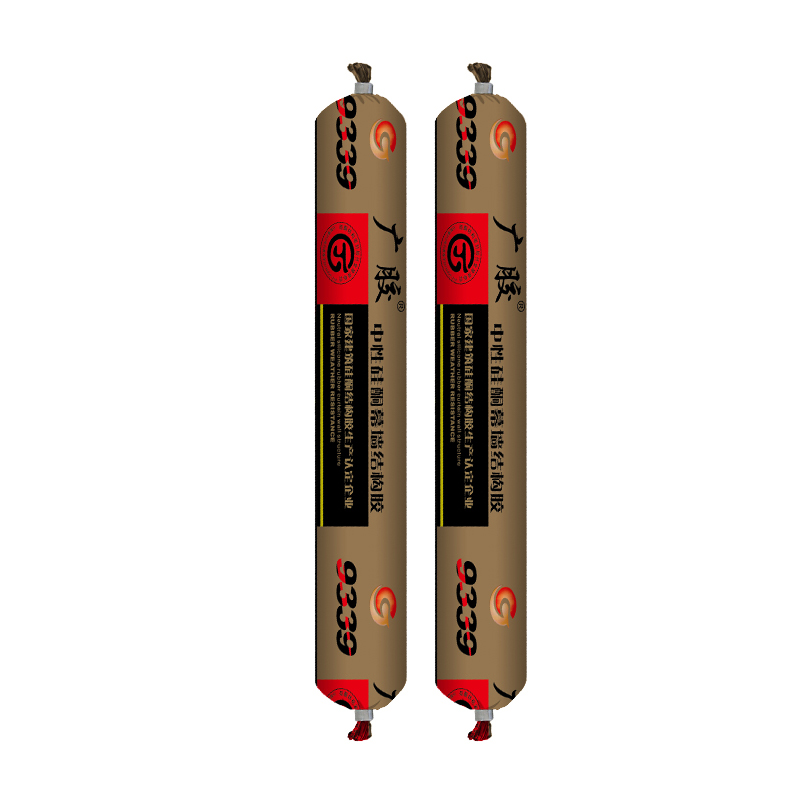
9339 Neutral Silicone Structural Glazing Sealant
9339 is a one-component, neutral-cure silicone structural adhesive specifically developed for high-s...
View More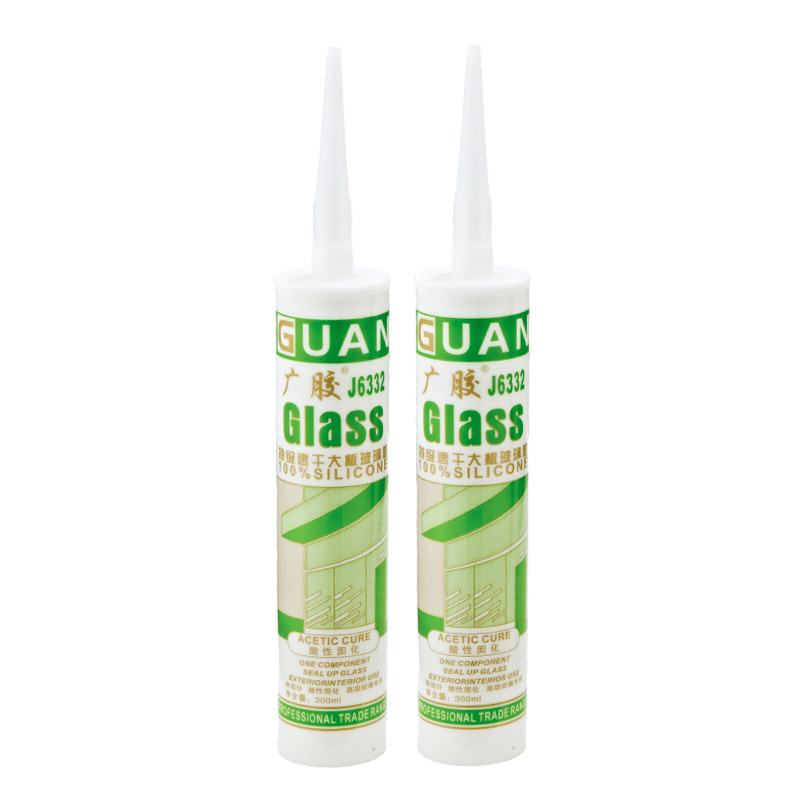
Guangjiao J6332 Premium Fast Cure Glass Silicone Sealant for Large Panels
Guangjiao J6332 Super Quick-Drying Large Panel Glass Adhesive is a fast-curing silicone sealant desi...
View More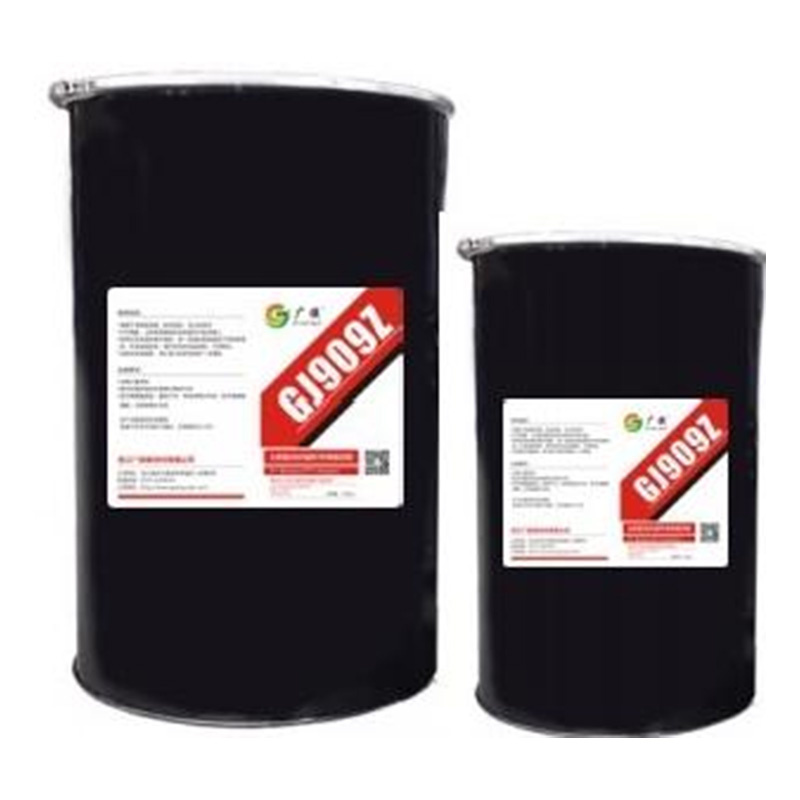
Silicone Sealant for Solar Panel Component
The assembly of the photovoltaic module frame and the laminated components requires a tight fit and ...
View More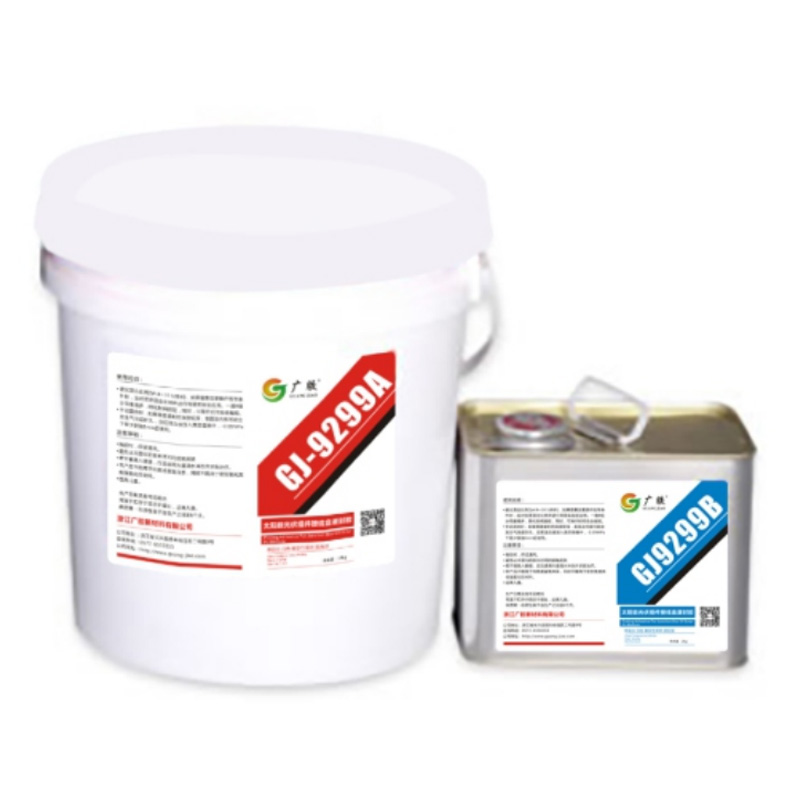
Solar Panel Assembly Junction Box Can Silicone Sealant
Instructions:1. The recommended mixing ratio is A:B = 10:1 (by volume). If operating conditions requ...
View MoreAnti-Mold Sanitary Sealant is a specialized joint sealing compound formulated for wet and humid environments such as bathrooms, kitchens, laundry rooms, and other sanitary installations. Its primary function is to create a durable, flexible, and watertight seal between fixtures, tiles, glass, and other building surfaces while resisting the growth of mold and mildew that commonly develops in areas exposed to sustained moisture.
The product is engineered to combine standard sealant performance characteristics, including adhesion, elasticity, and weather resistance, with an added fungicidal or bacteriostatic component that inhibits microbial colonization on the sealant surface. This makes it a preferred choice for sanitary ware installers, contractors, and facility maintenance teams working on projects where long-term hygiene and appearance retention are priorities.
Key Features of Anti-Mold Sanitary Sealant
Mold and Mildew Resistance
Contains an antimicrobial additive that slows surface fungal growth, helping joints stay cleaner for longer in humid conditions.
Flexible Joint Movement
Maintains elasticity after curing, allowing it to absorb minor structural movement and thermal expansion without cracking.
Strong Adhesion Range
Bonds effectively to common sanitary substrates including ceramic tile, porcelain, glass, acrylic, and painted surfaces.
Water and Humidity Tolerance
Once fully cured, forms a watertight barrier suitable for continuous exposure to splashing, condensation, and cleaning agents.
Application Areas and Substrate Compatibility
Anti-Mold Sanitary Sealant is generally used for finishing joints around fixtures and building elements where moisture exposure is frequent or continuous. Typical application points include the following.
- Perimeter joints around bathtubs, shower trays, and shower enclosures
- Sink and basin edges, including undermount and countertop installations
- Tile-to-tile and tile-to-fixture junctions in wet zones
- Toilet base sealing and connections to floor tiling
- Kitchen backsplash edges and worktop-to-wall junctions
- Window and door frame joints in bathrooms and utility rooms
The sealant is formulated to adhere to a range of common construction and sanitary ware materials, including glazed ceramic, porcelain, natural stone with sealed surfaces, glass, stainless steel, and most rigid plastics used in fixture manufacturing. Compatibility with porous or unsealed natural stone should be verified separately, as some stone types may require a stain-resistant variant.
Installation and Curing Guidelines
- Clean the joint area thoroughly, removing dust, grease, old sealant residue, and any existing mold or mildew before application.
- Ensure the surface is fully dry, since residual moisture can affect initial adhesion and extend curing time.
- Apply masking tape along both edges of the joint if a clean, straight sealant line is required.
- Cut the cartridge nozzle to match the joint width and apply the sealant in a continuous, even bead using a caulking gun.
- Tool the bead promptly with a smoothing tool or finger dampened with a small amount of soapy water to achieve a consistent profile.
- Remove masking tape before the sealant begins to skin over, then allow the joint to cure undisturbed.
Surface skinning typically begins within the first hour under normal room temperature and humidity, while full cure to handle water exposure generally takes between 24 and 72 hours depending on joint depth, ambient temperature, and humidity levels. Areas should be kept dry and free of direct water contact until curing is complete.
Maintenance Recommendations for Long-Term Performance
Routine cleaning with a non-abrasive, pH-neutral cleaner helps preserve both the appearance and the antimicrobial effectiveness of the sealant surface over its service life.
- Wipe down sealant lines regularly to remove soap film, hard water deposits, and organic residue that can accumulate mold-supporting nutrients.
- Avoid bleach-based or highly abrasive cleaning agents on a frequent basis, as repeated harsh chemical exposure can degrade the sealant surface prematurely.
- Ensure adequate ventilation in bathrooms and kitchens to reduce ambient humidity and condensation buildup around sealed joints.
- Inspect joints periodically for cracking, gapping, or discoloration, and plan for resealing once the antimicrobial performance visibly declines.
Anti-Mold Sanitary Sealant Compared to Standard Silicone Sealant
Procurement teams sourcing sealant for sanitary or wet-area projects often compare anti-mold formulations against general-purpose silicone sealants. The table below outlines the typical distinctions relevant to specification decisions.
| Comparison Point | Anti-Mold Sanitary Sealant | Standard General-Purpose Sealant |
| Antimicrobial Additive | Included, targets surface mold and mildew growth | Not typically included |
| Recommended Use Zones | Bathrooms, kitchens, laundry, other high-humidity areas | General interior and exterior joints with lower moisture exposure |
| Surface Discoloration Resistance | Formulated to slow black-spot staining from mold colonies | More prone to visible mold staining over time in wet areas |
| Typical Service Life in Wet Areas | Extended, subject to ventilation and maintenance practices | Shorter before mold-related resealing is needed |
| Relative Cost | Moderately higher due to added antimicrobial component | Lower base cost |
Key Considerations for Procurement and Bulk Sourcing
Packaging Formats
Commonly supplied in standard cartridges for gun application, with sausage packs or bulk pails available for larger commercial projects.
Shelf Life and Storage
Unopened cartridges generally have a defined shelf life when stored in cool, dry conditions away from direct sunlight; rotating stock is advisable for bulk buyers.
Color and Finish Options
Typically available in white, clear, and common sanitary ware colors such as gray or beige to match tile and fixture finishes.
VOC and Odor Profile
Buyers specifying for occupied or ventilation-limited spaces may want to confirm low-odor or low-VOC formulation details with the supplier.
Frequently Asked Questions
Q1: How is Anti-Mold Sanitary Sealant different from regular sealant?
The main difference is the inclusion of an antimicrobial additive designed to slow mold and mildew growth on the sealant surface, which is particularly useful in bathrooms and kitchens where humidity is consistently high.
Q2: How long does the sealant take to fully cure?
Surface skinning usually starts within about an hour, while full cure that allows water exposure generally takes between 24 and 72 hours, depending on joint size, temperature, and humidity.
Q3: Can this sealant be used on natural stone surfaces?
It can generally be used on sealed natural stone, but unsealed or porous stone may require a stain-resistant variant to avoid discoloration, so compatibility should be checked before application.
Q4: Will the anti-mold protection last for the full life of the sealant?
Antimicrobial effectiveness typically diminishes gradually over time and with cleaning agent exposure, so periodic inspection and eventual resealing are recommended for sustained protection.
Q5: What cleaning products are safe to use near the sealant?
Non-abrasive, pH-neutral cleaners are recommended for regular use, while frequent exposure to strong bleach or abrasive scrubbing agents may shorten the sealant's effective service life.
Q6: What packaging sizes are available for bulk purchasing?
Standard cartridges are the most common format, with sausage packs and bulk pail options typically available for larger commercial or contractor-scale orders.
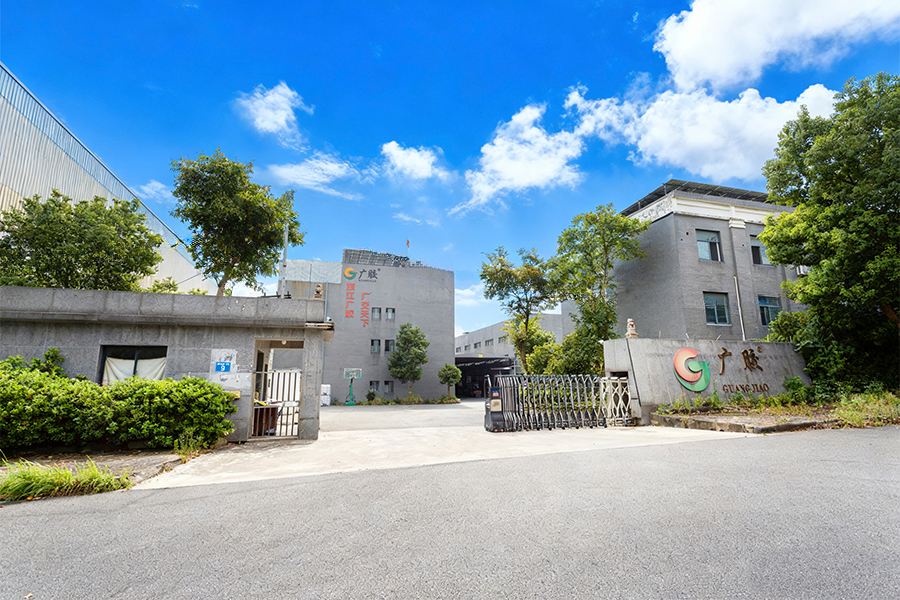
A dedicated silicone sealant manufacturer
Zhejiang Guangjiao New Material Co., Ltd. is China Anti-Mold Sanitary Sealant suppliers and wholesale Anti-Mold Sanitary Sealant company. Our facility produces one-part and two-part silicone sealants across structural, weatherproofing, high-temperature and specialty grades, with in-house compounding, filling and quality-control laboratories.
Every batch is tested against internal specifications before release, and formulations can be adjusted for private-label, OEM and project-specific requirements.
Ask about weatherproofing sealant for your project
Send your joint dimensions, substrate and climate exposure - our team will recommend a formulation and MOQ.