Content
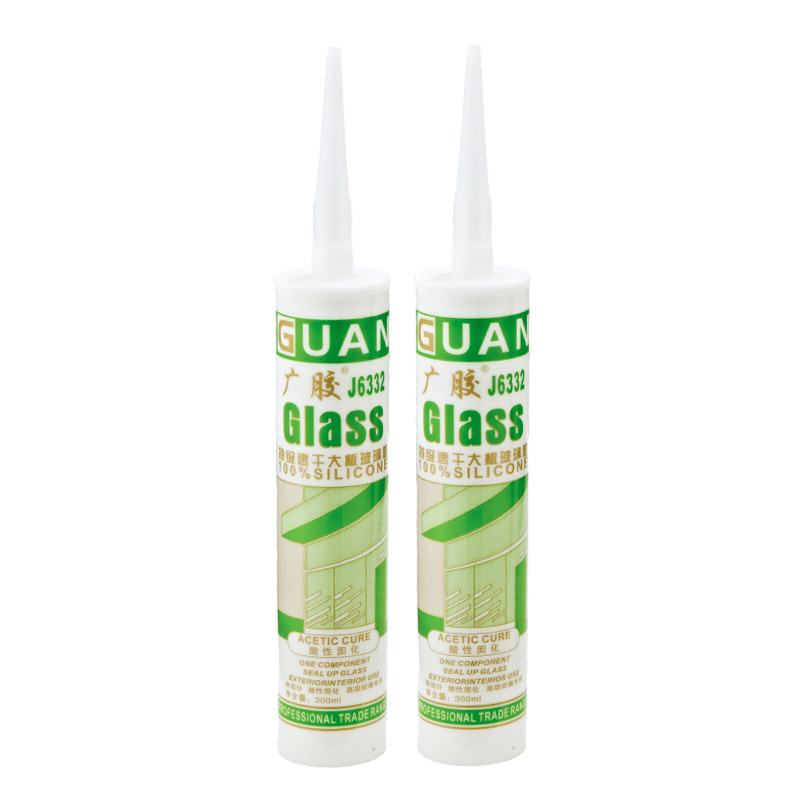
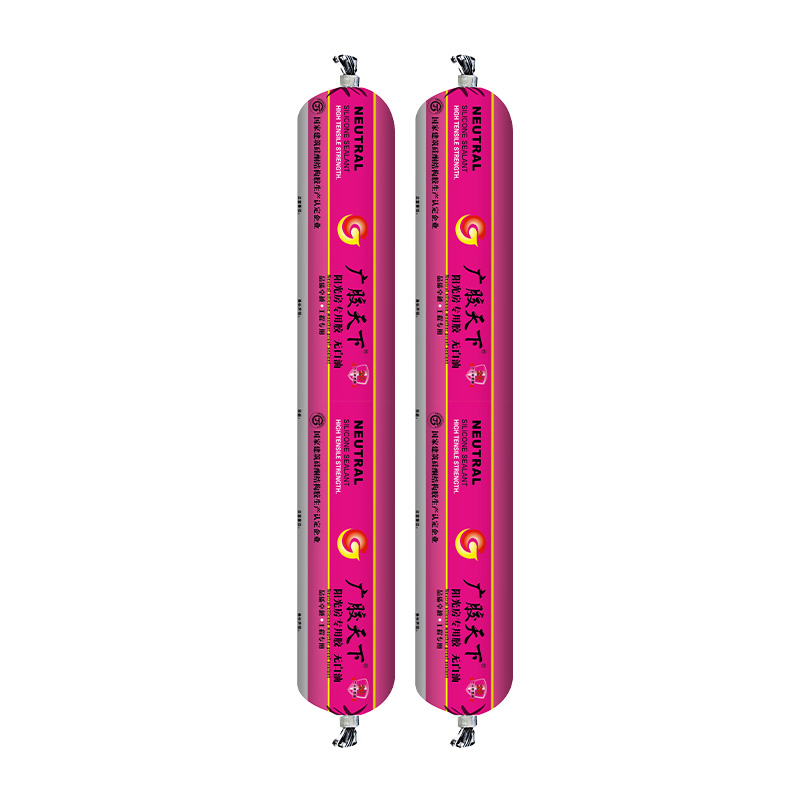
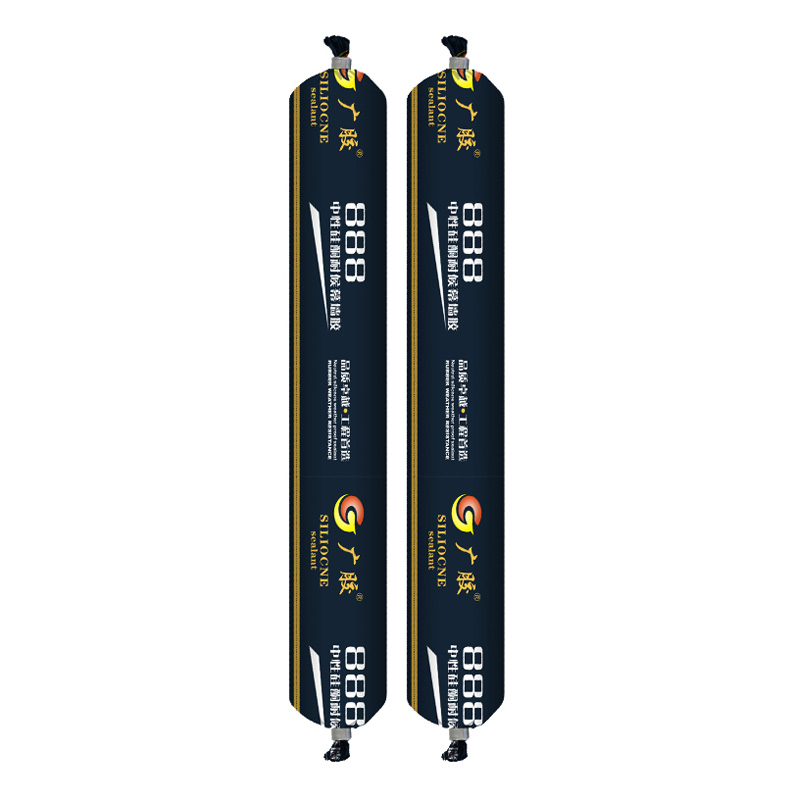
Acidic curing silicone sealant, often referred to as acetoxy sealant, is a robust adhesive characterized by the release of acetic acid during the hardening process. This reaction occurs as the sealant interacts with atmospheric moisture, resulting in a flexible, high-strength rubber bond. Because of its superior adhesion to non-porous materials, it remains a top choice for projects requiring long-term durability and weather resistance.
The primary reason for selecting Acidic Curing Sealant over other types is its rapid curing speed. In many applications, it develops a protective skin in as little as 10 to 15 minutes, significantly speeding up construction and repair timelines compared to neutral cure alternatives.
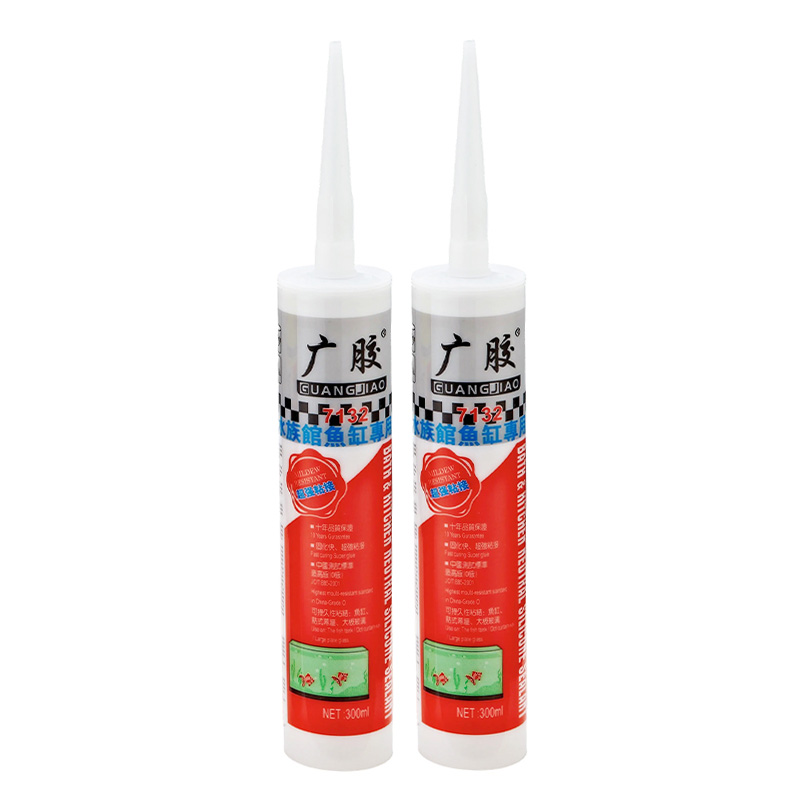
The most prominent use for this sealant is in the glazing industry. It creates an almost inseparable bond with glass surfaces. It is extensively used for assembling glass display cases, sealing window panes into frames, and even in the construction of small-scale aquariums where structural integrity is paramount. Data suggests that the tensile strength of a cured acidic bond on glass can exceed 1.5 MPa, ensuring stability under pressure.
Due to its excellent water resistance, acidic curing sealant is frequently used in high-moisture environments. It is ideal for sealing around:
The smooth finish of the cured sealant prevents water accumulation, while many variants include anti-fungal properties to inhibit mold growth in humid conditions.
Choosing the right sealant involves understanding its physical limits. Below is a summary of the typical performance characteristics of acidic curing sealants:
| Property | Value / Metric | Project Benefit |
| Skin Formation | 10 - 20 Minutes | Fast dust resistance |
| Elongation at Break | > 300% | Accommodates joint movement |
| Temperature Stability | -40 to +150 Degrees Celsius | Versatile climate use |
While highly effective, it is important to note that the acetic acid released during curing can corrode sensitive metals (like copper or brass) and may react with alkaline surfaces (like concrete or marble). Therefore, its use should be limited to compatible materials like glass, ceramics, and some plastics.
It is generally not recommended for mirrors as the acid can react with and damage the silver backing. Neutral cure sealants are better suited for this purpose.
The easiest way to tell is by the smell. Acidic curing sealants have a strong vinegar-like odor during application, whereas neutral sealants have a very faint or sweet smell.
Yes, high-quality acidic curing silicone is inherently UV resistant, making it an excellent choice for external window sealing and outdoor glass installations.
Subscribe to our newsletter
Product
Quick Links
contact Us
No. 9, 2nd Road, Huicheling Industrial Park, Heping Town, Changxing County, Huzhou City, Zhejiang Province, China
+86-572-6550355
+86-17769681106


 English
 Français
 Español