Content
The selection of the appropriate sealant material represents one of the most fundamental decisions in construction, manufacturing, and maintenance applications. While many professionals regard silicone sealants as interchangeable products, the reality is far more nuanced. Two primary formulations dominate the market: acetoxy-cure and neutral-cure silicones. Understanding when to specify one over the other can mean the difference between a successful, long-lasting installation and a costly failure that compromises structural integrity, aesthetic appeal, or functional performance.
The distinction between these formulations extends beyond theoretical chemistry into practical, real-world consequences. Acetoxy silicones, while economical and effective for many applications, release acetic acid (vinegar-like odor) during the curing process. Neutral cure clear silicone, by contrast, releases neutral byproducts that do not interact chemically with sensitive substrates. This fundamental difference determines suitability for specific surfaces, materials, and environmental conditions. Professionals who fail to account for this distinction frequently encounter adhesion failures, discoloration, material degradation, or structural problems that only become apparent months or years after application.
This comprehensive guide addresses the critical question: which surfaces and applications demand neutral-cure silicone, and why does this matter? We will examine the chemical properties that drive performance differences, identify specific surface types that require neutral-cure formulations, explore the consequences of material misselection, and provide practical guidance for professionals responsible for specification and installation decisions.
Understanding the chemical behavior of silicone sealants requires examining what occurs during the curing process. Acetoxy silicones cure through a condensation reaction that releases acetic acid as a byproduct. While this byproduct is harmless in ventilated spaces and moderate quantities, it creates problems when it contacts certain materials. The acetic acid can react with sensitive surfaces, causing corrosion, discoloration, or degradation. Additionally, the acidic environment during cure can interfere with adhesion to materials sensitive to pH changes.
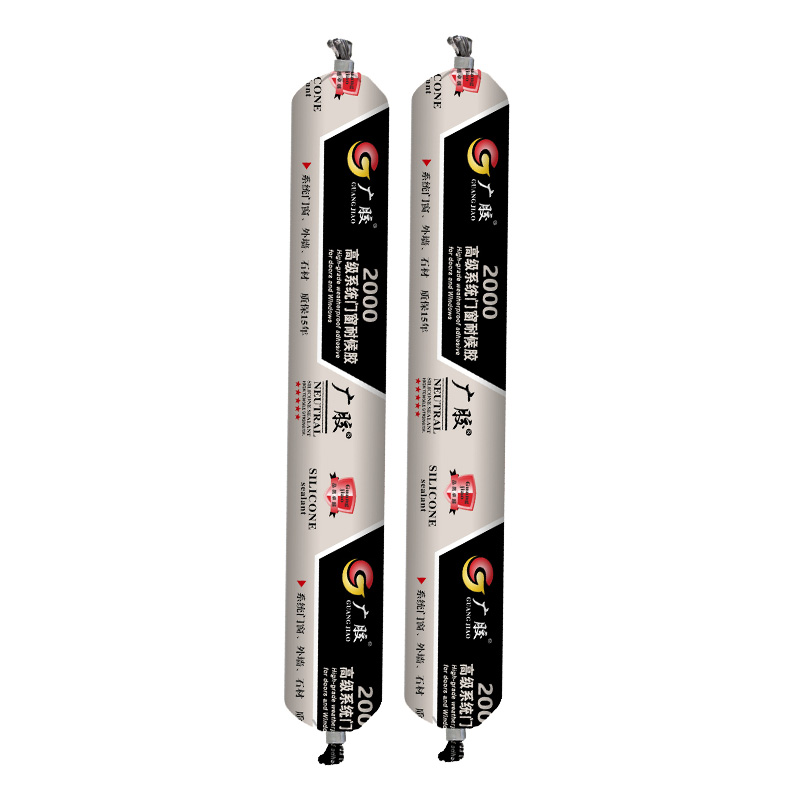
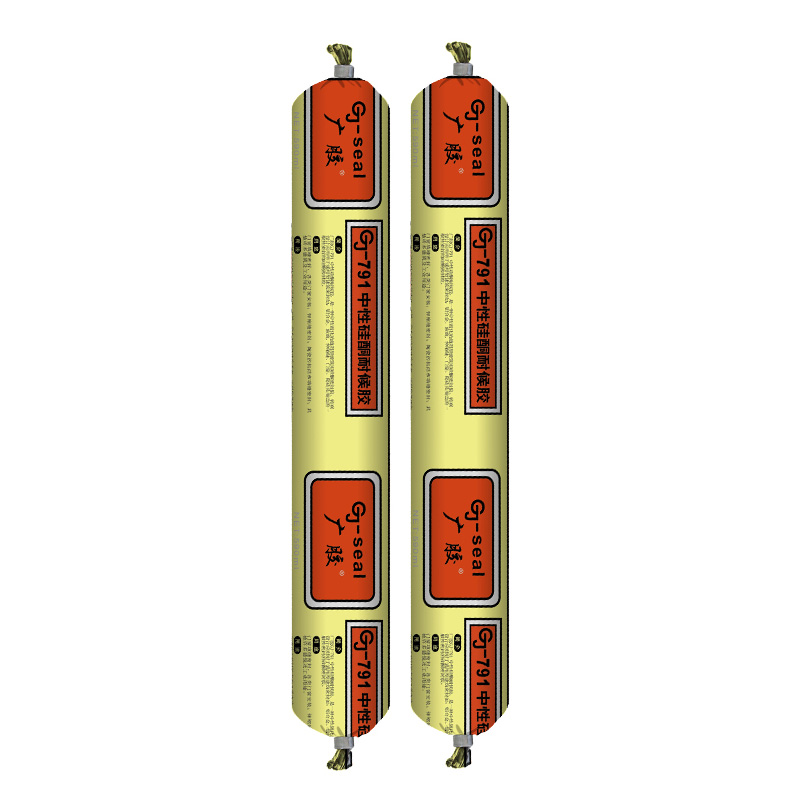
Neutral-cure formulations release either water or alcohol during the curing process, depending on the specific chemistry. This neutral curing mechanism eliminates the acidic environment that characterizes acetoxy formulations. The absence of acetic acid release makes neutral-cure silicones suitable for applications where the sealant contacts materials that cannot tolerate acidic conditions. The trade-off is that neutral-cure formulations typically cost more to produce and may cure slightly more slowly than their acetoxy counterparts.
Key performance characteristics of neutral-cure silicones include enhanced adhesion to sensitive substrates, compatibility with materials prone to acid-induced degradation, suitability for moisture-sensitive applications, and the ability to create clear, stable bonds that resist yellowing caused by acid exposure. These properties make neutral-cure formulations the preferred choice for applications where long-term performance and material integrity take precedence over initial cost considerations.
Stone surfaces, particularly marble, limestone, and other calcite-based materials, represent the most critical application where neutral-cure silicone becomes mandatory rather than optional. Marble and limestone consist of calcium carbonate, a compound that reacts readily with acetic acid. When acetoxy silicone cures adjacent to these materials, the released acetic acid can penetrate the porous stone structure, causing etching, discoloration, and structural weakening. The problem intensifies with polished marble, where etching creates visible dull spots that permanently compromise appearance.
Application contexts that demand neutral-cure silicone for stone surfaces include marble bathroom countertops, limestone shower walls, decorative stone backsplashes, marble floor transitions, and any installation where stone contacts the curing sealant. Even brief exposure to acetic acid vapor can initiate damage that worsens over time as moisture penetrates the etched areas. Specifying neutral-cure formulations eliminates this risk entirely and provides peace of mind regarding long-term aesthetic and structural integrity.
Glass and mirror applications present a different challenge than stone but one equally critical. While glass itself resists chemical attack from acetic acid, the acetic acid byproduct can attack the metallic backing of mirrors, causing corrosion and deterioration. This problem occurs silently—visible damage may not appear until the mirror's backing has already corroded significantly, resulting in dark spots, peeling backing, or structural failure. Once mirror backing deteriorates, replacement becomes the only remedy.
Additionally, acetoxy silicone can interact with certain decorative coatings or edge treatments applied to specialty glass, causing yellowing or adhesion failure. Neutral-cure silicone eliminates these concerns entirely, making it the appropriate choice for all structural glass bonding, particularly load-bearing applications or permanent installations. The absence of acidic byproducts protects both the glass itself and any integrated materials, including metallic components or decorative treatments.
Certain metal surfaces exhibit pronounced sensitivity to acetic acid exposure. Copper and copper-based alloys, brass, and some specialty finishes can experience corrosion or discoloration when exposed to acetoxy silicone curing emissions. Anodized aluminum, which features a protective oxide layer, can also be compromised by prolonged exposure to acetic acid. For applications bonding or sealing these materials, neutral-cure silicone provides a non-reactive alternative that preserves both the appearance and integrity of metal finishes.
Architectural applications frequently involve metals—decorative trim, metal framing, metallic architectural features—where appearance preservation takes paramount importance. Specifying neutral-cure silicone in these contexts demonstrates professional attention to detail and commitment to long-term material preservation. The slightly higher material cost pales in comparison to potential liability if acid-induced corrosion requires remediation months or years after installation.
While marble represents the most dramatic example, other natural stone varieties benefit from neutral-cure formulations. Granite, while harder and more resistant than marble, can still experience surface degradation and discoloration from prolonged exposure to acetic acid. Slate, travertine, sandstone, and other decorative stones each present unique vulnerabilities. Travertine, with its characteristic porous structure, absorbs acetic acid readily, leading to internal damage that weakens the stone structure even when surface appearance remains initially unaffected.
The safest approach for any natural stone installation is to default to neutral-cure silicone. The premium cost represents insurance against degradation that could require expensive remediation, material replacement, or liability exposure. Professional stone installation standards increasingly recognize neutral-cure silicone as the appropriate specification for high-quality work, regardless of specific stone type.
Industrial and electronic applications often specify neutral-cure silicones because the sealant may contact temperature-sensitive or moisture-sensitive components. Acetic acid vapor, even in small quantities, can interfere with electronic components, corrode delicate circuitry, or disrupt performance. Manufacturing facilities that produce or assemble precision electronics typically mandate neutral-cure formulations to eliminate any risk of product compromise. The same principle applies to any application where moisture control and chemical inertness become essential performance requirements.
Paint and coating layers represent another category of acid-sensitive surfaces. Certain paint formulations, particularly specialized or high-performance coatings, can experience adhesion problems or degradation when exposed to acetic acid vapor during sealant cure. Powder coatings, epoxy coatings, and specialty finishes all risk compromise. When sealants are applied to painted surfaces or in proximity to painted components, neutral-cure formulations eliminate the risk of coating incompatibility. This proves particularly important in aerospace, automotive, and precision manufacturing where coating integrity directly impacts performance and safety.
Engineered stone products, including terrazzo and composite stone formulations, contain binding agents and materials that may react with acetic acid. These materials often incorporate resins, minerals, or specialized binders that were not designed to tolerate acidic environments. When sealants contact these surfaces, neutral-cure formulations provide compatibility and long-term stability without risk of degradation or discoloration. Specifications for high-end flooring installations, countertops, and architectural elements increasingly default to neutral-cure silicones as the professional standard.
Aquatic environments, including pools, fountains, water features, and marine installations, demand neutral-cure silicones. Water amplifies the effects of acetic acid by providing a medium for acid transport and penetration. In aquatic contexts, acetic acid released during cure can concentrate in water, creating localized corrosive conditions that damage stone, metal, or structural components. The continuous moisture exposure characteristic of water features means that sealant selection has outsized impact on long-term durability. Neutral-cure formulations protect against this risk and ensure installations maintain integrity through years of water exposure.
The decision between acetoxy and neutral-cure silicone ultimately depends on specific application requirements. The following table provides quick reference guidance for common applications:
| Application Type | Recommended Formulation | Primary Reason |
| Marble, limestone countertops | Neutral-Cure | Acid etching prevention |
| Mirror backing protection | Neutral-Cure | Corrosion prevention |
| Granite or slate installations | Neutral-Cure | Surface integrity preservation |
| Copper or brass bonding | Neutral-Cure | Corrosion resistance |
| Standard drywall or wood trim | Acetoxy (cost-effective) | Material resistance to acid |
| Pool or aquatic features | Neutral-Cure | Water interaction prevention |
| Electronics or precision assembly | Neutral-Cure | Chemical inertness |
This comparison illustrates a clear pattern: whenever surfaces feature inherent sensitivity to acetic acid or whenever long-term performance takes paramount importance, neutral-cure formulations represent the professional specification. The cost premium reflects the chemical sophistication required to eliminate acid byproducts while maintaining superior adhesion and durability.
Proper surface preparation proves equally critical for both acetoxy and neutral-cure silicones, but becomes even more important when using neutral-cure formulations on sensitive surfaces. Clean, dry surfaces ensure optimal adhesion and curing conditions. For stone surfaces, which will only be sealed with neutral-cure silicone, thorough cleaning removes any existing residue, dust, or contamination that could interfere with adhesion. Sealing stone with appropriate stone sealers before silicone application can provide additional protection, creating a dual-barrier system that maximizes durability.
While neutral-cure silicones eliminate acetic acid emissions, they still release byproducts during cure. Adequate ventilation remains important for worker safety and to facilitate efficient curing. Some neutral-cure formulations release water vapor, which can extend cure times if humidity levels are high. Conversely, low humidity environments may be optimal for neutral-cure formulations, particularly those releasing water vapor. Understanding the specific neutral-cure chemistry employed allows professionals to optimize installation conditions and ensure reliable, predictable results.
Neutral-cure silicones typically cure slightly more slowly than acetoxy formulations, though advances in chemistry have narrowed this gap considerably. Professional specifications should account for extended cure times when planning project timelines. Surface cure may occur within hours, but full cure and maximum strength development may require several days. Premature exposure to water, stress, or traffic can compromise final adhesion and performance. Clear communication with project stakeholders regarding cure timelines prevents misunderstandings and ensures installations achieve intended performance.
Neutral-cure silicones typically command a price premium ranging from fifteen to forty percent above comparable acetoxy formulations. For contractors and facility managers, this premium warrants careful evaluation. However, when analyzed from a total-cost-of-ownership perspective, neutral-cure silicones frequently emerge as the more economical choice despite higher initial material costs.
Consider the cost implications of a failed marble countertop installation sealed with acetoxy silicone. Remediation requires removing and potentially replacing the stone, resealing with appropriate materials, and addressing any structural issues. The cost of correction—labor, materials, and potential liability—easily exceeds hundreds or thousands of dollars. In contrast, specifying neutral-cure silicone from inception eliminates this risk entirely. The premium cost of appropriate materials represents minimal insurance against expensive future remediation.
This principle applies across all sensitive applications. Mirror installation failures, corrosion issues with metal components, and degradation of specialty coatings all carry costs that dwarf the premium price of neutral-cure materials. Professional practice increasingly recognizes this reality: specifying appropriate materials based on surface requirements protects both client interests and professional reputation. The alternative—attempting to save money through material substitution—creates liability exposure and risks damaging professional credibility.
Industry standards and technical guidelines increasingly specify neutral-cure silicones for sensitive applications. Stone industry associations recommend neutral-cure formulations for marble and natural stone installations. Architectural standards for high-end construction typically mandate neutral-cure silicones for visible installations where aesthetics and long-term appearance preservation take importance. Building codes in some jurisdictions require neutral-cure formulations for specific applications, particularly those involving sensitive materials or water features.
Professionals responsible for specification decisions should review applicable industry standards and building codes for their jurisdiction and project type. Compliance with recognized standards provides defensible documentation that appropriate materials were selected based on technical requirements rather than cost reduction. This documentation proves invaluable if disputes arise regarding installation quality or material performance. The slight additional effort required to specify neutral-cure silicones based on documented standards protects professional interests and demonstrates commitment to quality workmanship.
Even experienced professionals occasionally encounter situations where acetoxy silicone was incorrectly specified or applied to acid-sensitive surfaces. Recognition of these errors and prompt remediation prevent escalation of problems.
Discoloration around the sealant application typically represents the first visible indication of acid damage to stone or other sensitive materials. With marble or limestone, etching appears as dull spots or hazing. With metals, discoloration or corrosion becomes visible around the sealant line. With mirrors, dark spots or backing deterioration may appear months after installation. These warning signs suggest material incompatibility and warrant investigation. If acetoxy silicone was mistakenly applied, removal and resealing with neutral-cure formulation can prevent further damage, though already-etched surfaces cannot be fully restored to original condition.
If acetoxy silicone was applied to acid-sensitive surfaces and damage is detected early, prompt removal and resealing with neutral-cure formulation can limit further deterioration. However, damage prevention through correct material selection from inception remains far superior to remediation after damage occurs. This reinforces the importance of understanding surface requirements and specifying appropriate materials before installation begins.
While granite is harder and more acid-resistant than marble, it is not immune to damage from prolonged acetic acid exposure. Discoloration and surface degradation can still occur. Professional specifications for granite installations, particularly high-end work, default to neutral-cure silicones. The risk is simply not worth the modest material savings.
Yes. Neutral-cure silicone is a universal replacement for acetoxy in terms of surface compatibility. It works on every surface suitable for acetoxy silicone, plus additional acid-sensitive surfaces where acetoxy cannot be used. However, the slightly higher cost and potentially slower cure times should be considered for applications where acetoxy silicone performs perfectly adequately.
Cure times vary depending on specific formulation, thickness, temperature, and humidity. Generally, neutral-cure silicones achieve surface cure within twenty-four to forty-eight hours but may require five to seven days or longer for full strength development. Always consult product documentation for specific formulations and verify cure times before planning project timelines.
Neutral-cure silicones typically cost fifteen to forty percent more than comparable acetoxy formulations, depending on specific product lines and market conditions. For a standard project using multiple cartridges or bulk quantities, the total material cost premium may represent a modest addition to overall project cost, while the risk reduction and long-term value substantially exceed the initial investment.
Storage requirements vary by specific formulation. Generally, both acetoxy and neutral-cure silicones should be stored in cool, dry conditions and kept sealed to prevent moisture contamination. Consult product documentation for specific storage temperature ranges, shelf life expectations, and any special handling requirements for your particular neutral-cure formulation.
Neutral-cure silicones, particularly clear formulations, typically resist yellowing better than acetoxy silicones over extended timeframes. The absence of acetic acid release eliminates one primary mechanism of yellowing. For applications where appearance preservation matters—clear glass bonding, light-colored stone sealing, or visible architectural elements—neutral-cure formulations offer superior aesthetic durability.
Both formulations are cured silicone products with similar environmental profiles after cure completion. The primary environmental distinction relates to volatile organic compound emissions during cure. Neutral-cure formulations typically produce lower VOC emissions than acetoxy silicones, which may provide advantages in indoor air quality and occupational safety. Select neutral-cure products based on technical requirements first, but recognize that environmental benefits represent an additional advantage.
Subscribe to our newsletter
Product
Quick Links
contact Us
No. 9, 2nd Road, Huicheling Industrial Park, Heping Town, Changxing County, Huzhou City, Zhejiang Province, China
+86-572-6550355
+86-17769681106


 English
 Français
 Español