Content
When it comes to completing interior decoration, choosing the right silicone sealant for your skirting boards is crucial. Whether you are renovating your home or carrying out general maintenance, a quality sealant can make a significant difference in the overall aesthetic and durability of your skirting boards. This article will guide you through everything you need to know about the best silicone sealants for indoor skirting boards, focusing on their applications, features, and selection criteria.
Silicone sealant is a popular choice for sealing gaps and joints around skirting boards. This is because it offers numerous advantages, making it ideal for interior applications. Here are some key reasons why silicone sealant is a preferred material:
There are different types of silicone sealants available, each with specific properties that make them suitable for different environments and conditions. Below are the main types of silicone sealants used for skirting boards:
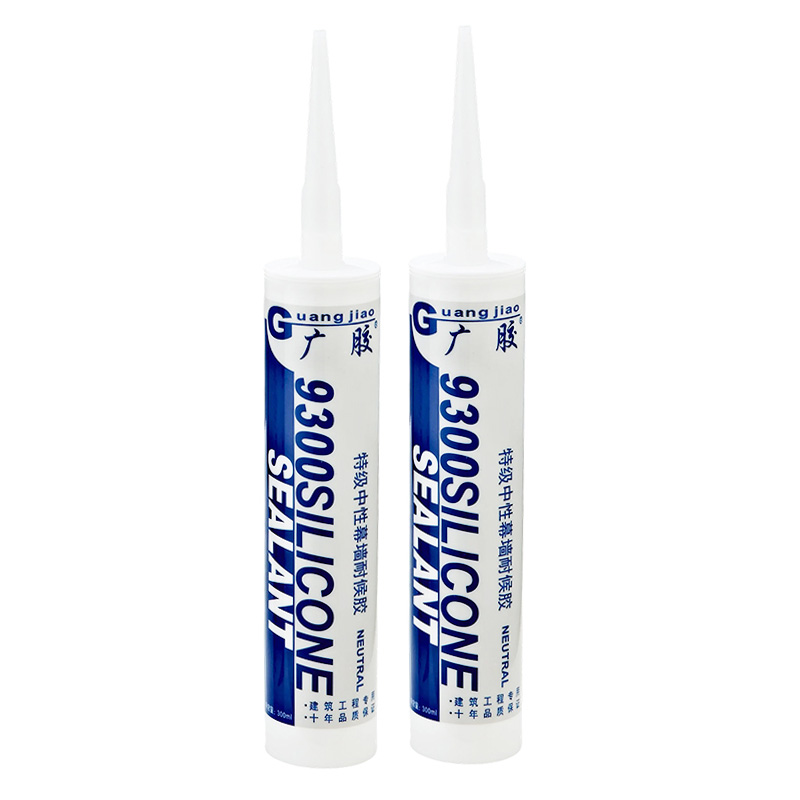
General-purpose silicone sealants are ideal for indoor skirting boards, offering a reliable seal for most applications. They are often clear or white and provide excellent adhesion to various surfaces.
For skirting boards that will be painted over, a paintable silicone sealant is the best option. These sealants cure quickly and provide a smooth surface for paint adhesion, ensuring a uniform finish.
Waterproof silicone sealants are essential for areas prone to moisture, such as bathrooms or kitchens. These sealants provide extra protection against water ingress, preventing mold and mildew growth.
Low-modulus silicone sealants are designed to remain highly flexible, making them ideal for surfaces that are subject to movement. This type of sealant is excellent for skirting boards installed in areas where walls may shift slightly.
Choosing the right silicone sealant for skirting boards depends on several factors. Below are the key considerations to keep in mind when making your selection:
Proper application is key to achieving a clean, effective seal on your skirting boards. Follow these steps to apply silicone sealant like a pro:
While silicone sealants are generally reliable, certain issues may arise if not applied correctly. Here are some common problems and how to avoid them:
Most silicone sealants will skin over within 30 minutes and fully cure in 24 hours. However, curing time can vary depending on temperature and humidity.
While silicone sealant is great for indoor skirting boards, some varieties are also suitable for outdoor use. Check the product specifications to ensure compatibility with outdoor conditions.
Paintable silicone sealants can be painted over once cured. Make sure to choose the right type for this application.
Subscribe to our newsletter
Product
Quick Links
contact Us
No. 9, 2nd Road, Huicheling Industrial Park, Heping Town, Changxing County, Huzhou City, Zhejiang Province, China
+86-572-6550355
+86-17769681106


 English
 Français
 Español