Content
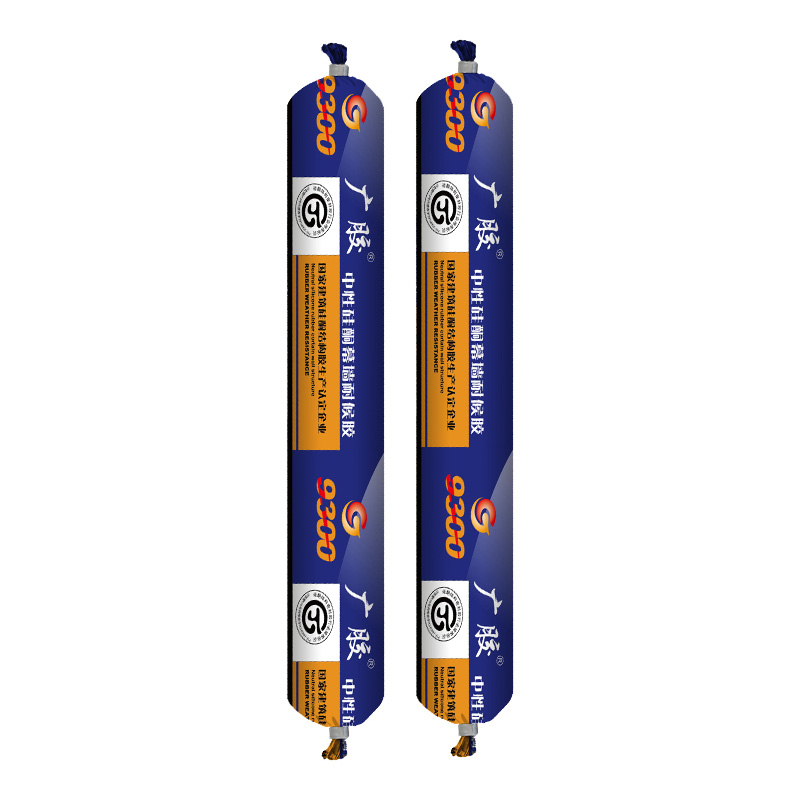
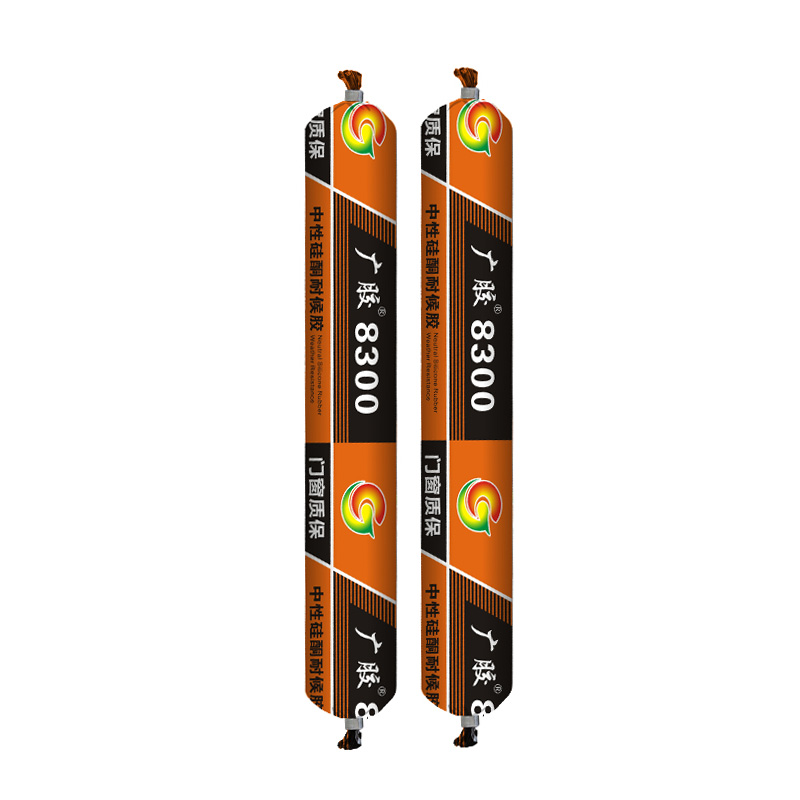
Sealants play a silent but critical role in modern construction and manufacturing. Among the many options available, Neutral Cure Clear Silicone stands out for its versatility and reliability. Unlike older acetoxy cure sealants that release a strong vinegar-like odor and can corrode sensitive metals, neutral cure formulations offer a safer and more compatible solution for a wide range of materials. This type of sealant cures by absorbing moisture from the air, releasing a non-acidic byproduct that will not damage surfaces like copper, brass, or polycarbonate. As a result, it has become the go-to standard for professionals who need a clear, durable, and non-corrosive bond. Zhejiang Guangjiao New Material Co., Ltd. has been at the forefront of this technology, adhering to strict quality control measures across its 5,000-square-meter factory to ensure every batch meets rigorous performance expectations .
This article explores the specific properties, applications, and technical nuances of this essential material. We will delve into curing times, adhesion capabilities, and long-term durability to help you understand why this product category is essential for projects ranging from high-rise curtain walls to delicate electronic assemblies. Whether you are a contractor, an architect, or a facility manager, understanding the data behind the sealant ensures you select a product that offers true peace of mind through guaranteed quality.
To appreciate the value of this sealant, one must first understand what "neutral cure" means. Traditional silicone sealants often use an acetoxy cure system, which releases acetic acid during the curing process. While effective for general glazing on glass, the acidic nature of the cure can etch marble, corrode aluminum, and react with specialty coatings. Neutral Cure Clear Silicone uses an oxime or alkoxy cure system instead. This means the byproduct released during curing is typically an alcohol or a non-corrosive oxime. This characteristic is vital for applications involving sensitive substrates such as mirror backing, powder-coated aluminum frames, and electronic circuit boards.
The absence of strong odors is another significant advantage of the neutral cure system. In confined spaces like bathrooms, kitchens, or occupied office retrofits, the low-odor formulation of Non-Acidic Odorless Silicone Sealant allows work to proceed without causing discomfort or requiring extensive ventilation shutdowns. Furthermore, the chemical stability of neutral cure polymers provides superior long-term resistance to UV radiation and extreme temperatures. This ensures that the sealant does not yellow, crack, or lose adhesion when exposed to harsh sunlight or freeze-thaw cycles, maintaining both the appearance and integrity of the building envelope?
The distinction between acetoxy and neutral cure silicones is not merely academic; it has practical implications for project success. The following table contrasts the two systems to highlight why neutral cure is specified for premium and sensitive installations.
| Property | Acetoxy Cure (Acidic) | Neutral Cure |
|---|---|---|
| Curing Byproduct | Acetic Acid (Vinegar odor) | Alcohol or Oxime (Mild/Non-corrosive) |
| Substrate Compatibility | Limited; Corrodes metals like copper, brass, galvanized steel; etches marble | Excellent; Safe for most metals, plastics (polycarbonate/PVC), and stone |
| Odor During Application | Strong, pungent | Low to minimal |
| Primary Use Case | GeGeneral-purposelazing, non-sensitive wood/metal | Curtain walls, electronics, structural glazing, mirrors, and sanitary applications |
When evaluating a high-transparency neutral silicone adhesive, professionals look beyond the data sheet headline and examine specific physical properties. The material's ability to withstand movement is paramount. Most premium neutral cure sealants offer a movement capability of +/- 25% or higher, meaning a joint designed to be half an inch wide can safely expand and contract by up to one-eighth of an inch without tearing or losing adhesion. This elasticity is critical in curtain wall engineering and window framing, where thermal expansion and wind sway exert constant stress on the structure.
Another critical metric is tensile strength and elongation. Data from typical product specifications indicate tensile strength often ranges from 175 psi to over 300 psi, with elongation at break frequently exceeding 300% to 400%. This combination of strength and stretch allows the sealant to act as a tough, flexible gasket rather than a brittle glue. The following table illustrates typical physical properties one can expect from a commercial-grade Neutral Cure Clear Silicone formulation.
| Physical Property | Typical Value Range | Significance in Application |
|---|---|---|
| Tensile Strength | 175 - 305 psi | Resistance to tearing and pulling forces |
| Elongation at Break | 300% - 500% | Ability to stretch without failing; accommodates joint movement |
| Hardness (Shore A) | 15 - 33 | Flexibility; lower numbers indicate softer, more elastic sealant |
| Tack-Free Time | 5 - 14 minutes | Time until surface is dry to the touch; impacts tooling window |
| Service Temperature | -65°F to 400°F (-54°C to 204°C) | Stability in extreme environments |
Additionally, the specific gravity of these sealants hovers around 1.04, meaning they are slightly denser than water. This is important for calculating coverage rates. A standard 10.1oz or 300ml cartridge will yield approximately 25-30 linear feet of a 1/4-inch bead. Manufacturers with comprehensive laboratories and testing equipment, like Zhejiang Guangjiao New Material Co., Ltd., rigorously test these metrics to ensure consistency across production batches, providing the data necessary for engineers to trust their specifications.
The versatility of Neutral Cure Clear Silicone extends across multiple industries, driven by its transparent finish and robust adhesion profile. In the construction sector, it is indispensable for window and door installation, where it seals the gap between the frame and the rough opening to prevent air and water infiltration. Its use in interior and exterior wall decoration has grown as designers seek invisible seals for modern, minimalist aesthetics. The product's ability to bond to a wide variety of surfaces—including glass, aluminum, vinyl, ceramic, brick, mortar, concrete, wood, and many plastics—makes it a universal solution on the job site?
Beyond traditional building applications, the electronics and automotive industries rely heavily on this material. In electronics, the non-conductive and non-corrosive nature of electronic-grade neutral-cure?sealant allows it to be used for sealing coaxial connectors, waterproofing electrical components, and protecting instrumentation assemblies from moisture and vibration. Unlike mechanical fasteners, silicone provides a stress-relieving bond that does not loosen over time. In the automotive sector, it is used for formed-in-place gaskets (FIPG) on engines and transmissions, as well as sealing headlamps and taillights against weather ingress.
Even the highest quality Neutral Cure Clear Silicone requires proper surface preparation to achieve its rated performance. The golden rule in sealant application is that the surface must be clean, dry, and free of frost. Contaminants such as oil, grease, dust, or old sealant residue act as bond breakers. A simple two-step cleaning process using a solvent wipe (such as isopropyl alcohol) followed by a clean, dry cloth is standard industry practice for non-porous surfaces like glass and metal. For porous surfaces like concrete or wood, ensuring the substrate is fully dry is critical to prevent outgassing, which can cause bubbles in the sealant bead .
Applying thesealant is another step that separates professional results from amateur applications. After dispensing the bead, the sealant should be tooled—pressed firmly into the joint using a spatula or a finger dipped in a mild soap solution—within its tack-free time, usually between 5 and 14 minutes. This action forces the sealant into the microscopic pores of the substrate, maximizing the surface area for adhesion. It also creates a concave profile that allows the joint to stretch and compress more efficiently. Failure to tool the sealant can result in premature adhesive failure at the edges of the joint.
Understanding the curing mechanism is essential for project scheduling. Neutral Cure Clear Silicone cures from the outside in, relying on atmospheric moisture. The rate of cure is typically specified as 2-3mm per 24 hours at standard conditions (73°F and 50% relative humidity). In drier climates or during winter months when indoor humidity drops, curing times can extend significantly. While the sealant may be tack-free in minutes, full adhesion strength and chemical resistance often take up to 7 days to fully develop. Therefore, it is not advisable to pressure-wash or submerge a newly sealed area for at least one week.
To ensure the longevity of the seal, follow these steps, which reflect the standards maintained by manufacturers like Zhejiang Guangjiao New Material Co., Ltd., who offer a quality guarantee based on proper installation techniques.
One of the primary reasons specifiers choose clear sealants is aesthetics. They want the performance of silicone without the visible white or aluminum-gray line. Therefore, the long-lasting clarity of oxime-cured silicone is a critical performance factor. Inferior formulations may yellow or become cloudy over time due to UV exposure or chemical reaction with adjacent materials. High-quality neutral cure sealants incorporate advanced UV stabilizers and antioxidants that protect the polymer backbone from degradation. Experimental data comparing various formulations shows that premium sealants maintain their transparency for years, even in direct sunlight, while lower-tier products may show noticeable discoloration within 12 to 18 months.
Weather resistance encompasses more than just UV stability. The sealant must also withstand thermal cycling. As temperatures fluctuate, building materials expand and contract at different rates. The low modulus nature of many neutral cure sealants ensures that the stress on the bond line remains low. Instead of fighting the movement, the sealant flexes. This is why these products are specified for curtain walls in climates ranging from the freezing winters of North America to the intense heat of the Middle East. The sealant remains an elastomer within a service temperature range that spans over 400 degrees Fahrenheit, ensuring it never becomes brittle or loses its grip.
Moisture resistance is another pillar of long-term durability. Unlike organic sealants like polyurethane, silicone is inherently waterproof. It does not absorb water, swell, or hydrolyze. This makes Neutral Cure Clear Silicone the preferred choice for continuous immersion applications, although specific product approval is required for submersion. The addition of fungicides in some formulations, known as sanitary-grade sealants, prevents the growth of mold and mildew on the sealant surface in damp environments like showers and kitchens. This keeps the clear bead looking fresh and clean, reducing maintenance requirements for building owners?
In the supply chain of building materials, the cost of sealant is a fraction of the total project budget, yet its failure can result in catastrophic and expensive repairs. Choosing a sealant based solely on the lowest price per cartridge can be a costly mistake. The value proposition of a high-performance Neutral Cure Clear Silicone lies in its longevity. A sealant that requires replacement every 5 years due to cracking or yellowing generates significant labor and disposal costs. In contrast, a premium sealant from a manufacturer with a strong quality assurance system—such as a factory with a 1,500-square-meter office dedicated to technical oversight and R&D—may last the lifetime of the building, effectively paying for itself many times over.
Consider the total cost of ownership. This includes the initial material cost, application labor, and the lifecycle maintenance cost. The table below provides a conceptual comparison of value over a 20-year building lifecycle.
| Cost Factor | Low-Cost Generic Sealant | High-Grade Neutral Cure Silicone |
|---|---|---|
| Initial Material Cost (per ft) | Lower | Moderate |
| Expected Service Life | 5-8 Years (Yellowing/Cracking risk) | 20+ Years (UV Stable/Elastic) |
| Removal and Reapplication Cost (Labor) | High (2-3 replacements needed) | None (Initial application only) |
| Risk of Water Damage/Failure | Moderate to High | Low |
Zhejiang Guangjiao New Material Co., Ltd. operates on the principle of "Quality First, Reputation Foremost." This commitment is backed by a 17 mu facility and a dedicated team of 50 production staff and 10 technical experts who ensure that every batch of sealant meets the rigorous demands of modern construction. By leveraging close technical partnerships with renowned domestic universities, the company continuously refines its formulations to enhance clarity, adhesion, and weather resistance, providing customers with a product that truly offers peace of mind.
The raw materials used in neutral cure formulations, specifically the cross-linking agents and catalysts, are more expensive than those used in acetoxy systems. The manufacturing process also requires tighter controls to prevent premature curing and ensure the non-corrosive properties are maintained. The added value comes from its compatibility with a wider range of sensitive substrates (like metals and coated glass) and its low odor, which prevents costly damage or project delays that might occur with acidic sealants. For example, using acetoxy sealant on a mirror will result in edge desilvering within months, a damage cost far exceeding the sealant price difference.
No. Standard Neutral Cure Clear Silicone is not paintable. Paint will not adhere to the silicone surface and will bead up or peel off shortly after drying. This is a fundamental property of silicone's low surface energy. If a painted sealant joint is required, you must use a specialized "paintable" sealant (often a hybrid polymer or siliconized acrylic) or, more commonly, mask the area carefully before applying the silicone to ensure clean lines and leave the silicone exposed in its natural clear or matched color state. Any attempt to paint over standard silicone will result in a messy, unprofessional finish.
Neutral cure silicone requires moisture to cure, but it cannot cure underwater. It is a moisture-cured system, not a water-cured system. If submerged immediately after application, the sealant will not cure properly because it requires atmospheric humidity and oxygen exchange. In fact, standing water can wash away uncured sealant or inhibit skin formation. Once fully cured (typically 7 days), it is waterproof and can withstand continuous immersion depending on the specific product grade. In high-humidity environments (above 80% RH), the curing speed accelerates significantly; the tack-free time may shorten, and the 24-hour cure depth may increase. Conversely, in very dry climates (below 20% RH), curing can take days longer, but the final physical properties will still be achieved once the reaction is complete.
Subscribe to our newsletter
Product
Quick Links
contact Us
No. 9, 2nd Road, Huicheling Industrial Park, Heping Town, Changxing County, Huzhou City, Zhejiang Province, China
+86-572-6550355
+86-17769681106


 English
 Français
 Español