Content
In the ever-evolving construction and industrial sectors, ensuring the longevity, performance, and safety of structures is paramount. One of the critical components that contribute to these factors is the acidic curing sealant, a versatile and highly effective product in a range of applications. Whether used for waterproofing, chemical resistance, or structural bonding, acidic curing sealants, often referred to as acetic silicone sealants or acetoxy silicone sealants, play a crucial role in ensuring tight, durable seals in many industrial and construction environments.
Definition of Acidic Curing Sealant
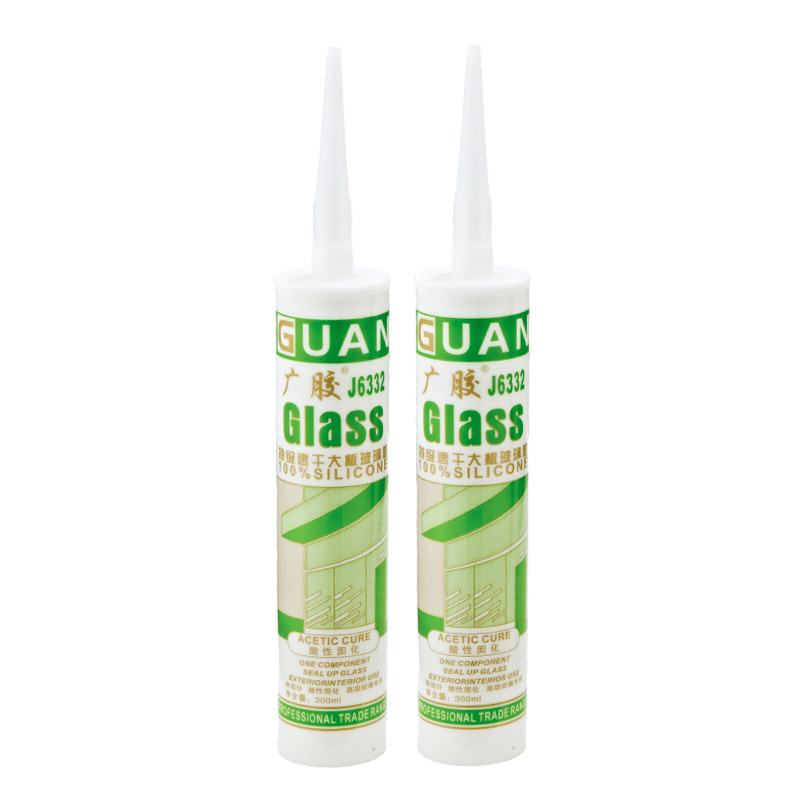
Acidic curing sealants, more commonly known as acetic silicone sealants or acetoxy silicone sealants, are a type of silicone sealant that cures through the release of acetic acid, which occurs during the curing process. This type of sealant is known for its excellent adhesion properties, high resistance to environmental stress, and versatility in bonding with various materials like glass, metal, ceramics, and concrete.
These sealants are typically used in applications where high flexibility, water resistance, and long-term durability are required. The curing mechanism of acetic silicone involves the reaction of the silicone polymer with moisture in the air, which leads to the release of acetic acid and results in the solidification of the sealant.
How Acidic Curing Sealants Work
The curing process of an acidic silicone sealant is initiated when it reacts with moisture present in the surrounding environment. Unlike neutral cure sealants, which release no significant byproducts, acidic sealants release acetic acid as they cure. This process allows the sealant to bond firmly to surfaces such as glass and metal, making it ideal for applications where strong adhesion and waterproofing are necessary.
As the sealant cures, it forms a durable and flexible bond that withstands environmental factors like temperature variations, UV radiation, and moisture, ensuring a long-lasting seal.
Applications in Construction
Acidic curing sealants have broad applications within the construction industry due to their versatility and superior performance. Some of the most common construction-related uses include:
Waterproofing Seals: Acidic curing sealants are frequently used to create waterproof barriers in construction projects. They are ideal for sealing joints and gaps in areas exposed to water, such as bathrooms, kitchens, and exterior walls.
Window and Door Sealing: The excellent adhesion properties of acetic silicone sealants make them an ideal choice for sealing windows and doors in buildings. These sealants provide an effective barrier against air infiltration, ensuring energy efficiency and improved insulation.
Facade Sealing: In modern architecture, glass facades have become a popular design choice. Acidic curing sealants are used extensively in sealing glass panels to metal frames, providing both adhesion and flexibility to withstand building movement.
Industrial Applications
Beyond construction, acidic curing sealants are widely used in the industrial sector for their superior bonding capabilities and resistance to harsh environmental conditions. Some of the most common industrial uses include:
Chemical Resistance: Acidic silicone sealants offer excellent chemical resistance, making them ideal for use in environments that involve exposure to chemicals and solvents. Industries such as automotive manufacturing, chemical processing, and electronics often rely on these sealants to ensure the durability of their products and machinery.
Sealing in High-Temperature Environments: Many industrial applications require sealing in areas that experience extreme temperatures. Acidic curing sealants maintain their integrity even at high temperatures, making them suitable for applications in automotive engines, exhaust systems, and high-temperature manufacturing processes.
Applications in Glass Sealing
Acidic curing sealants are particularly effective in glass sealing due to their excellent adhesion to glass surfaces and resistance to UV degradation. Common applications in glass sealing include:
Glass Curtain Walls: The construction of glass curtain walls in commercial and residential buildings often requires a high-performance sealant. Acetic silicone sealants are commonly used to provide the necessary adhesion between the glass panels and their supporting frames.
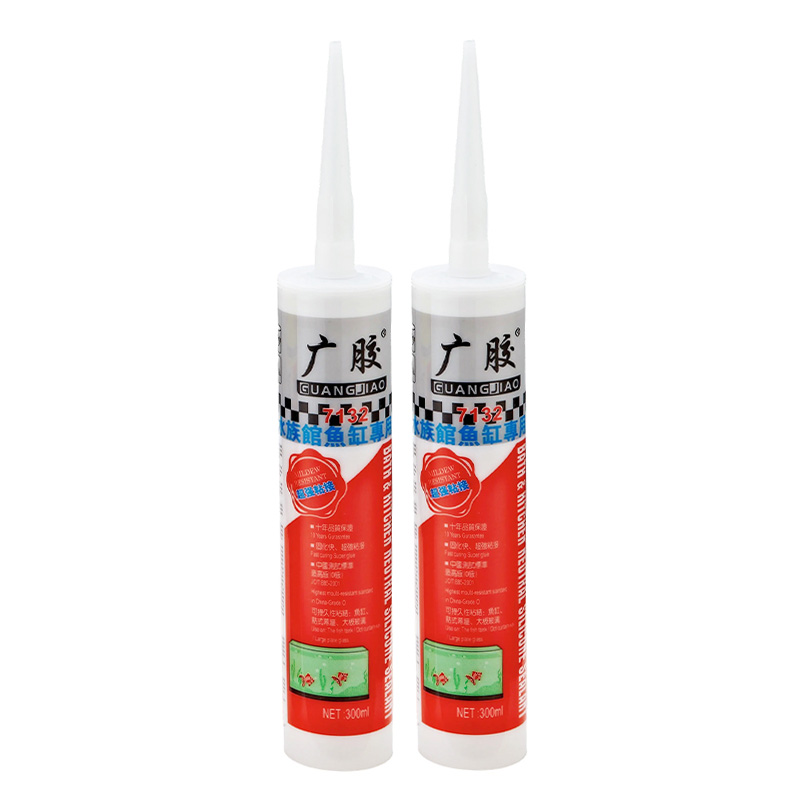
Aquarium Sealing: Acetic silicone sealants are also used in sealing aquariums and other glass-based enclosures, ensuring a waterproof and strong bond that prevents leaks.
High-Temperature Applications
Acidic curing sealants excel in environments that are subject to high temperatures, maintaining their sealing properties even under extreme heat. This makes them suitable for use in:
Automotive Applications: Sealing engine components, exhaust systems, and gaskets where high temperature resistance is required.
Industrial Ovens and Furnaces: In the manufacturing industry, acidic curing sealants are used to seal joints and cracks in high-temperature equipment such as ovens and furnaces, ensuring safety and energy efficiency.
Superior Adhesion Strength
One of the most significant advantages of acidic curing sealants is their strong adhesion to a wide range of materials, including glass, metal, ceramics, and concrete. This makes them versatile for various sealing applications in both construction and industrial settings.
Adhesion to Glass: Acetic silicone sealants provide excellent adhesion to glass, making them the preferred choice for glazing and window installations.
Bonding with Metals: They also bond well with metal surfaces, which is crucial for automotive, manufacturing, and construction applications that require durable, long-lasting seals.
Chemical and Environmental Resistance
Acidic curing sealants are known for their ability to withstand harsh environmental conditions, including exposure to chemicals, moisture, and extreme temperatures. They are highly resistant to the damaging effects of UV radiation, making them suitable for both indoor and outdoor applications.
Chemical Resistance: These sealants are capable of resisting a variety of chemicals, including acids, alkalis, and solvents, which makes them ideal for use in chemical processing and automotive industries.
Moisture and Weather Resistance: Acidic curing sealants provide a robust seal that protects against water infiltration, even in high-humidity environments or areas exposed to heavy rainfall.
Durability and Longevity
Acidic curing sealants are designed to last, with their flexibility and resistance to degradation ensuring a long service life. When properly applied, they maintain their seal over time, even in harsh conditions such as high temperatures or exposure to chemicals.
Performance Characteristics of Acidic Curing Sealants
| Property | Acidic Curing Sealants | Typical Applications |
|---|---|---|
| Adhesion | Strong adhesion to glass, metal, concrete | Glazing, window sealing, industrial bonding |
| Chemical Resistance | Excellent resistance to chemicals and solvents | Automotive, chemical processing, industrial use |
| Temperature Resistance | High resistance to heat | Automotive, industrial ovens, furnaces |
| Water Resistance | Waterproof after curing | Bathroom sealing, exterior joints, glass facades |
Advantages
Disadvantages
Insert Table: Advantages and Disadvantages of Acidic Curing Sealants
| Advantages | Disadvantages |
|---|---|
| Versatile applications | Release of acetic acid during curing |
| Superior adhesion | Limited to specific applications |
| Excellent durability | Not suitable for all materials |
How to Select the Right Sealant
Selecting the appropriate acidic curing sealant depends on several factors that must be carefully evaluated to ensure optimal performance. These factors include the application field, environmental conditions, and the specific materials being sealed. Here’s a breakdown of the key considerations:
Application Field: Different applications require different sealant properties. For instance, sealing windows and doors in construction may require a sealant with high adhesion to glass and metal, while industrial applications may require a sealant that resists chemicals and extreme temperatures.
Temperature Resistance: Ensure that the acidic curing sealant can withstand the temperatures it will be exposed to. High-temperature environments, such as in automotive or industrial applications, require a sealant with excellent heat resistance.
Humidity and Moisture Resistance: If the application involves exposure to moisture, such as in bathrooms, kitchens, or outdoor construction, choose a sealant that provides robust waterproofing and humidity resistance.
Chemical Resistance: For industries involving chemicals, such as chemical processing or automotive manufacturing, ensure the selected sealant can withstand the chemical exposures it will face.
In summary, the ideal acidic curing sealant must be chosen based on its compatibility with the materials being sealed, the environmental conditions (temperature, humidity, chemical exposure), and the durability required for the specific application.
Surface Preparation Before Use
Before applying any acidic curing sealant, it is essential to properly prepare the surface to ensure optimal adhesion and long-lasting performance. Surface preparation varies depending on the material being sealed. Here’s a general guide to surface preparation for different materials:
Glass and Metal: Clean the surface thoroughly using an appropriate cleaner to remove dirt, grease, and oils. Use a mild solvent like isopropyl alcohol to remove any contaminants, ensuring a clean, dry surface.
Concrete: Concrete surfaces should be free from dust, oil, and moisture. It is important to etch the surface to provide a better bonding area for the sealant. This can be done using a mechanical grinder or acid etching.
Wood: Wooden surfaces need to be dry and free of any moisture. Sanding the surface can help create a better bonding surface, particularly if the wood is smooth.
Plastics: For plastics, ensure the surface is clean and roughen it lightly with sandpaper to improve adhesion. Some plastics may require a primer for optimal bonding.
By ensuring proper surface preparation, you can enhance the bond between the sealant and the surface, leading to better performance and durability.
Safe Use and Storage
Acidic curing sealants contain chemicals that may be hazardous if not handled properly. Here are some safety precautions to consider during use:
Personal Protective Equipment (PPE): Always wear appropriate PPE, including gloves and safety glasses, to prevent direct contact with the sealant, especially during application.
Ventilation: Work in a well-ventilated area to avoid inhaling the fumes released during the curing process. Acetic acid vapors can be harmful in high concentrations.
Storage: Store sealants in a cool, dry place, away from direct sunlight and heat sources. Ensure that the sealant container is tightly sealed to prevent contamination and premature curing.
Handling Spills: In case of accidental spills, immediately clean up the area with a suitable solvent. Always follow the manufacturer’s recommendations for disposal.
Maintenance and Inspection
To ensure that acidic curing sealants maintain their effectiveness over time, regular inspection and maintenance are necessary. Here’s how to maintain and inspect sealant performance:
Visual Inspection: Regularly check the sealed areas for any signs of damage, such as cracking, peeling, or discoloration. If the sealant has been compromised, it may need to be re-applied.
Cleaning: Keep sealed areas clean and free from debris to prevent buildup that may weaken the bond. Use mild cleaning agents and avoid abrasive materials that could damage the sealant.
Reapplication: Over time, exposure to UV rays, extreme weather conditions, and mechanical wear may cause the sealant to degrade. When this happens, it is important to remove the old sealant and apply a fresh layer to maintain the integrity of the seal.
By performing regular maintenance and inspections, you can extend the life of your acidic curing sealants and ensure that they continue to provide effective protection.
Acidic curing sealants, also known as acetic silicone or acetoxy silicone sealants, are crucial for a wide range of applications across both construction and industrial sectors. Their exceptional adhesive strength, chemical resistance, and durability make them the sealant of choice for demanding environments. By selecting the appropriate product, ensuring proper surface preparation, and following safety guidelines, industries can maximize the performance and longevity of their sealant applications. Regular inspection and maintenance will ensure that the sealants continue to perform as expected, providing lasting protection for years to come.
1. What is the main difference between acidic and neutral curing sealants?
The primary difference between acidic and neutral curing sealants lies in the byproducts released during the curing process. Acidic curing sealants, such as acetic silicone, release acetic acid as they cure, while neutral curing sealants release no harmful byproducts and are generally less corrosive. Acidic sealants provide strong adhesion to materials like glass and metals, but their acetic acid release can be damaging to certain surfaces, such as concrete.
2. Can acidic curing sealants be used for outdoor applications?
Yes, acidic curing sealants are suitable for many outdoor applications, particularly for waterproofing and sealing windows, doors, and facades. However, they should be applied in well-ventilated areas to prevent the accumulation of acetic acid vapors during curing. Also, it’s important to ensure that the sealant is resistant to UV radiation to prevent degradation over time.
3. How does the acetic acid release affect the sealing process?
The release of acetic acid during the curing process of acidic curing sealants enables the sealant to bond effectively to substrates like glass and metal. While acetic acid facilitates a strong bond, it can also be corrosive to some materials, particularly metals and concrete. Careful surface preparation is necessary to prevent damage, especially in sensitive applications.
4. What are the best practices for applying acidic curing sealants?
The best practices include proper surface preparation, ensuring that surfaces are clean, dry, and free from contaminants. Apply the sealant in a well-ventilated area to avoid inhaling fumes. Always wear personal protective equipment (PPE), such as gloves and goggles, and ensure that the sealant is stored correctly in a cool, dry place to prevent premature curing.
5. Are acidic curing sealants suitable for high-chemical exposure environments?
Yes, acidic curing sealants generally offer excellent resistance to a variety of chemicals, including solvents and acids. They are commonly used in automotive, chemical processing, and industrial applications where exposure to chemicals is frequent. However, it is important to verify the specific chemical resistance of the sealant, as certain formulations may be more resistant to particular chemicals than others.
Subscribe to our newsletter
Product
Quick Links
contact Us
No. 9, 2nd Road, Huicheling Industrial Park, Heping Town, Changxing County, Huzhou City, Zhejiang Province, China
+86-572-6550355
+86-17769681106


 English
 Français
 Español