Content
Every building envelope is a system of joints before it is anything else. Glass panels, aluminum framing, stone cladding, and concrete panels all move independently as temperatures swing, wind pressure fluctuates, and structures settle. The material that absorbs that movement while keeping water and air out is the sealant bead, and its performance quietly determines how long a fa?ade stays functional.
A properly engineered joint accommodates thermal expansion, seismic drift, and wind-load deflection without losing adhesion or cohesion. When a sealant fails prematurely, water intrusion follows quickly, leading to corrosion of embedded metal, insulation degradation, interior staining, and in severe cases structural deterioration. Reactive repairs on high-rise fa?ades are disruptive and costly compared to specifying the correct material during design.
This is why architects, fa?ade consultants, and glazing contractors increasingly treat sealant specification as a technical exercise rather than a commodity purchase, evaluating movement capability, adhesion data, and long-term weatherability before locking in a product.
A weatherproof silicone building sealant relies on a siloxane backbone rather than the carbon-chain structures found in many organic sealants. This backbone resists ultraviolet breakdown, ozone exposure, and temperature cycling far better than acrylic or polyurethane alternatives, which is why silicone chemistry dominates exterior fa?ade joints exposed to direct sun and weather.
Neutral-cure silicone formulations release non-corrosive by-products during curing, which makes them compatible with metal framing, coated glass, and painted substrates without the risk of long-term corrosion that acidic-cure systems can cause. This compatibility is a key reason neutral-cure grades dominate curtain wall and structural-adjacent applications.
These properties are not interchangeable trade-offs to ignore. A low-modulus, high-movement sealant chosen for a perimeter joint that barely moves is over-engineered and costly, while a high-modulus product placed in a wide dynamic joint risks cohesive failure within a few seasonal cycles.
Not every fa?ade joint has the same demands. Structural glazing perimeters, general weatherproofing joints, and cold-climate expansion joints each call for a different balance of movement capability, modulus, and low-temperature flexibility. The table below outlines how three commonly specified architectural grades differ in intended use.
| Sealant Grade | Best Suited Application | Typical Movement Capability | Cure Type |
|---|---|---|---|
| 2000 High-Performance Silicone Weatherproof Architectural Sealant | High-rise curtain wall and structural-adjacent perimeter joints | Approximately plus or minus 50 percent | Neutral cure |
| 791 Neutral Silicone Weatherproof Sealant | General perimeter and panel joints in mixed climates | Approximately plus or minus 25 to 35 percent | Neutral cure |
| 9300 Neutral Weatherproof Silicone Construction Sealant | Construction and expansion joints in cold-climate projects | Approximately plus or minus 35 percent, rated for low-temperature application | Neutral cure |
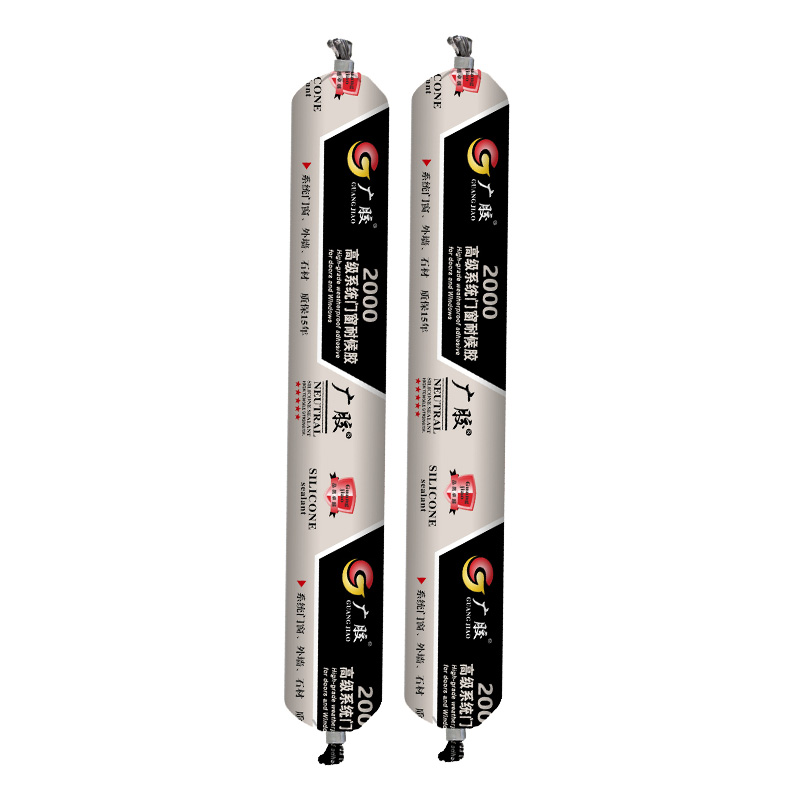
Formulated for wide-movement structural perimeter joints on high-rise fa?ades
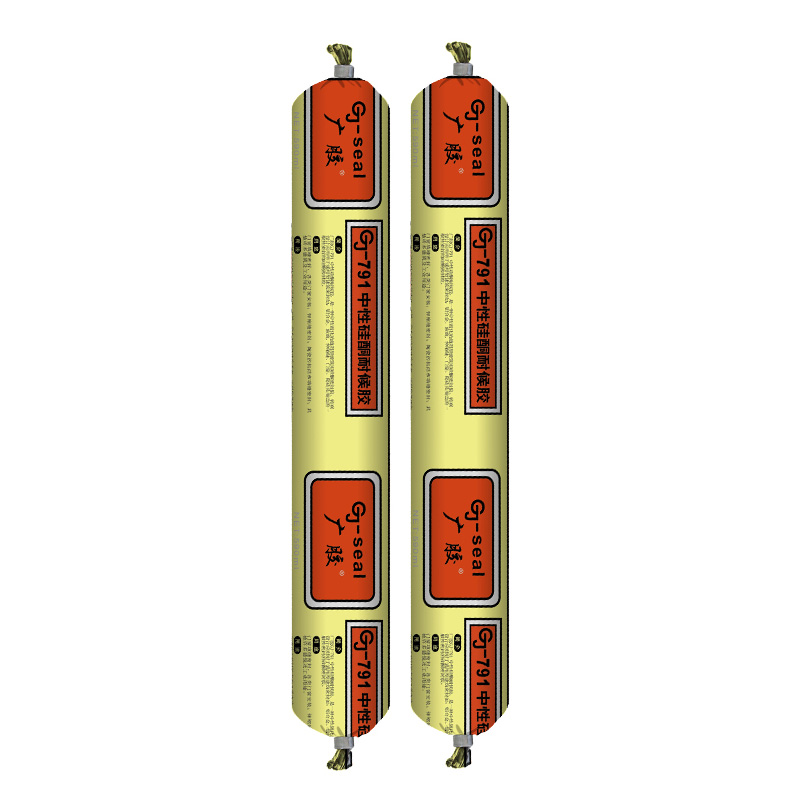
General-purpose neutral cure sealant for standard weatherproofing joints
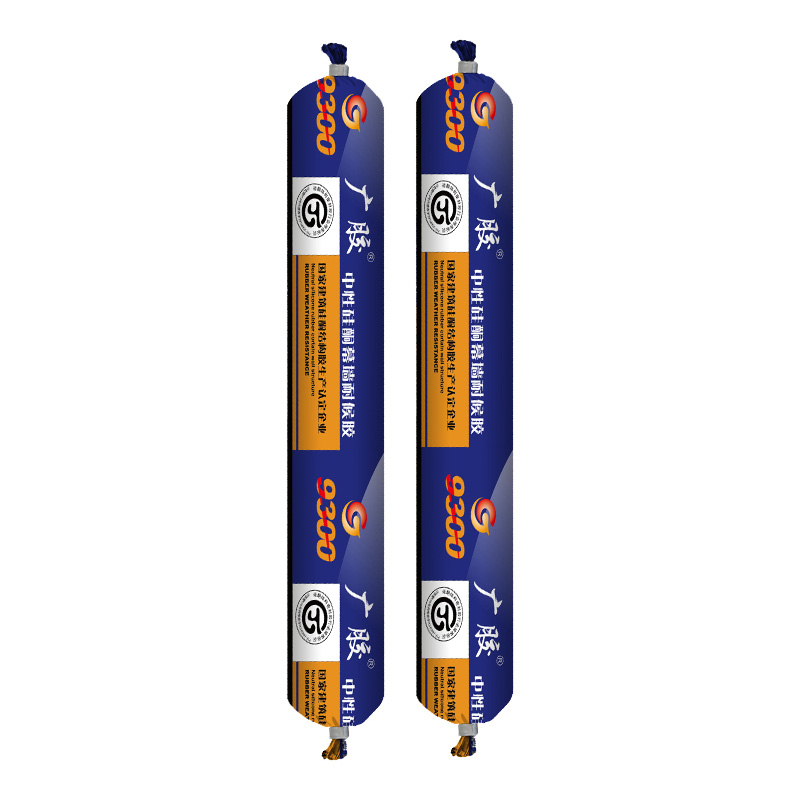
Cold-climate rated formulation for construction and expansion joints
Specifiers typically select the higher-movement grade for joints adjacent to structural glazing or long spans where deflection is significant, reserve the general-purpose grade for standard perimeter conditions, and turn to the cold-rated grade wherever low-temperature installation or service is expected.
A sustainable sealant building fa?ade strategy is less about a single green claim and more about lifecycle performance. Silicone sealants with service lives of twenty to thirty years reduce the frequency of re-caulking projects, which lowers material consumption, labor emissions, and construction waste over a building's operating life compared to shorter-lived alternatives that require replacement every five to ten years.
Airtight, well-sealed envelopes measurably reduce a building's heating and cooling load, and since HVAC energy use is often the largest ongoing carbon contributor in commercial buildings, joint sealing quality has a downstream sustainability impact well beyond the sealant itself.
Even the best-formulated sealant underperforms if installed incorrectly. Correct joint geometry, substrate preparation, and tooling technique are what allow the material to reach its rated movement capability in service.
Skipping surface preparation or undersizing backer rod are among the most common causes of early adhesive or cohesive failure, regardless of how capable the sealant formulation is on paper.
The number of silicone sealant suppliers and sealant brands on the market makes technical due diligence essential rather than optional. A sealant that performs well in a data sheet still needs consistent batch quality, verifiable third-party testing, and responsive technical support once it reaches a live job site.
| Evaluation Criteria | Why It Matters |
|---|---|
| Third-party test data | Confirms movement capability, adhesion, and weathering claims independently |
| Batch-to-batch consistency | Reduces risk of localized performance variation across a large fa?ade |
| Technical support availability | Helps resolve substrate compatibility questions before installation errors occur |
| Warranty terms | Reflects supplier confidence in long-term field performance |
| Logistics and supply reliability | Prevents project delays tied to material shortages |
Specifiers who request compatibility and adhesion testing on actual project substrates, rather than relying solely on generic data sheets, consistently reduce the risk of unexpected field performance issues.
Suitability depends on movement capability matched to joint width, adhesion to the specific substrates involved, and resistance to ultraviolet exposure and temperature cycling over decades of service.
Properly installed neutral-cure silicone sealants typically remain functional for twenty years or more, though periodic visual inspection and spot testing are recommended to catch localized failure early.
Not always. Structural-adjacent joints often experience greater movement and benefit from higher movement capability grades, while standard perimeter joints can typically use a general-purpose neutral cure sealant.
Higher-performance, low-VOC formulations can carry a modest premium, but extended service life and reduced re-caulking frequency typically lower total lifecycle cost compared to shorter-lived alternatives.
Common causes include installing sealant below its rated application temperature, undersized backer rod, and using a grade not rated for low-temperature flexibility in a joint subject to wide seasonal movement.
Subscribe to our newsletter
Product
Quick Links
contact Us
No. 9, 2nd Road, Huicheling Industrial Park, Heping Town, Changxing County, Huzhou City, Zhejiang Province, China
+86-572-6550355
+86-17769681106


 English
 Français
 Español