Content
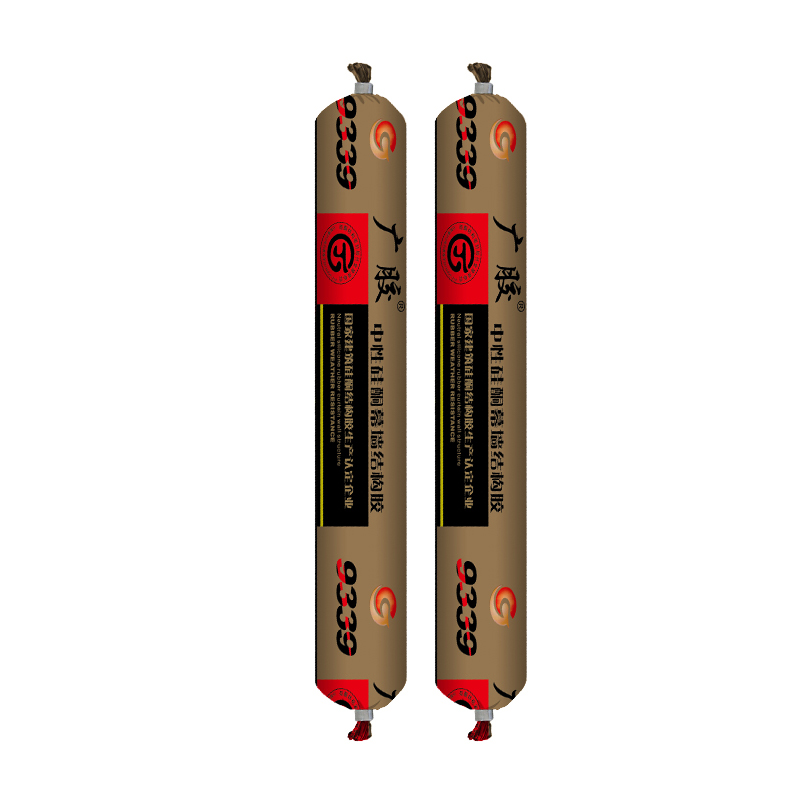
Glass curtain wall systems place continuous mechanical and environmental stress on the sealant that bonds glass panels to metal framing. Unlike gasket or mechanical retention systems, structural glazing relies entirely on adhesive strength to hold panel weight, resist wind load, and absorb building movement over decades of service. A 9339 neutral silicone structural glazing sealant is formulated specifically for this load-bearing role, where adhesion failure is not a cosmetic issue but a safety concern.
Facade designers evaluate structural sealants against several converging requirements: sustained adhesion to glass and coated aluminum, resistance to ultraviolet exposure, dimensional stability across seasonal temperature swings, and compatibility with insulating glass unit edge seals. Because curtain walls are engineered assemblies, the sealant is treated as a structural component in calculations, not an afterthought applied after the frame is installed.
This guide walks through the technical reasoning behind neutral cure chemistry, the performance benchmarks used to compare products, a practical installation sequence, and the common failure patterns that specifiers should watch for when selecting a glazing compound for a facade project.
The stakes involved in this component selection are higher than they might first appear. A curtain wall unit can weigh several hundred kilograms once glass, spacer bars, and framing are assembled, and that entire mass hangs from a bead of sealant that is often only a few millimeters wide. Wind suction on tall buildings can add substantial transient load on top of the static dead weight, and the sealant must absorb both without creeping or tearing over the intended service life of the facade, which is frequently specified at twenty five years or more.
Because of this, structural silicone selection is rarely left to a single trade. Facade consultants, glass fabricators, and general contractors typically coordinate on sealant selection early in a project, well before the first unit reaches the shop floor, so that compatibility testing and mockup approval can be completed without delaying the fabrication schedule.
Silicone sealants cure through one of several chemical pathways, and the choice of cure system directly affects compatibility with sensitive substrates. Acetoxy cure sealants release acetic acid as they cure, which can corrode certain metal coatings and, in some formulations, interfere with the edge seal of insulating glass units over time. Neutral cure systems instead release alcohol or oxime byproducts during curing, producing a lower risk of corrosion on aluminum framing, low-emissivity coatings, and metallized spacer bars.
For structural glazing specifically, neutral cure chemistry offers three practical advantages:
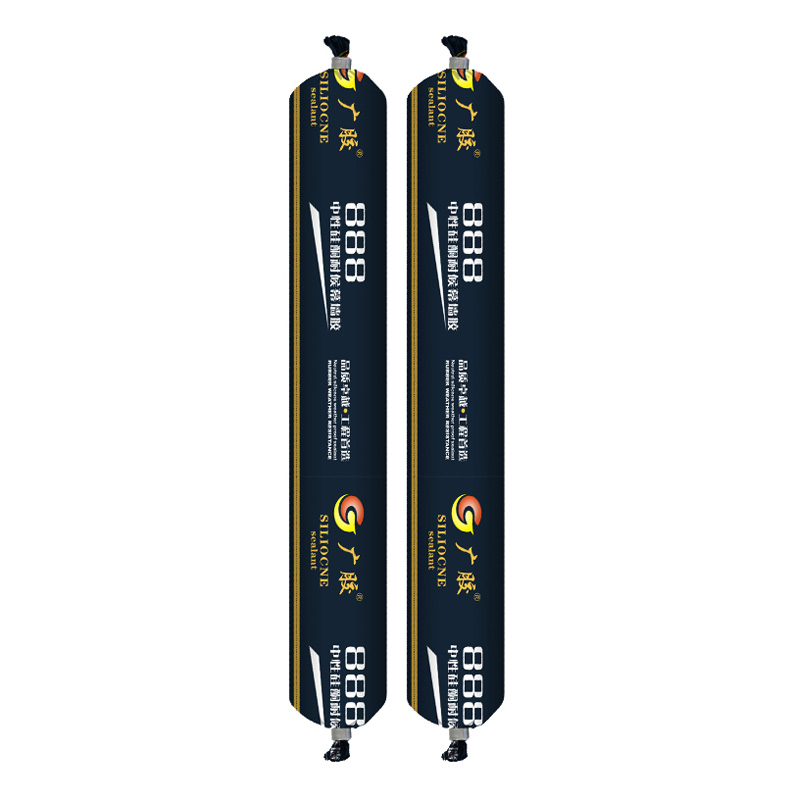
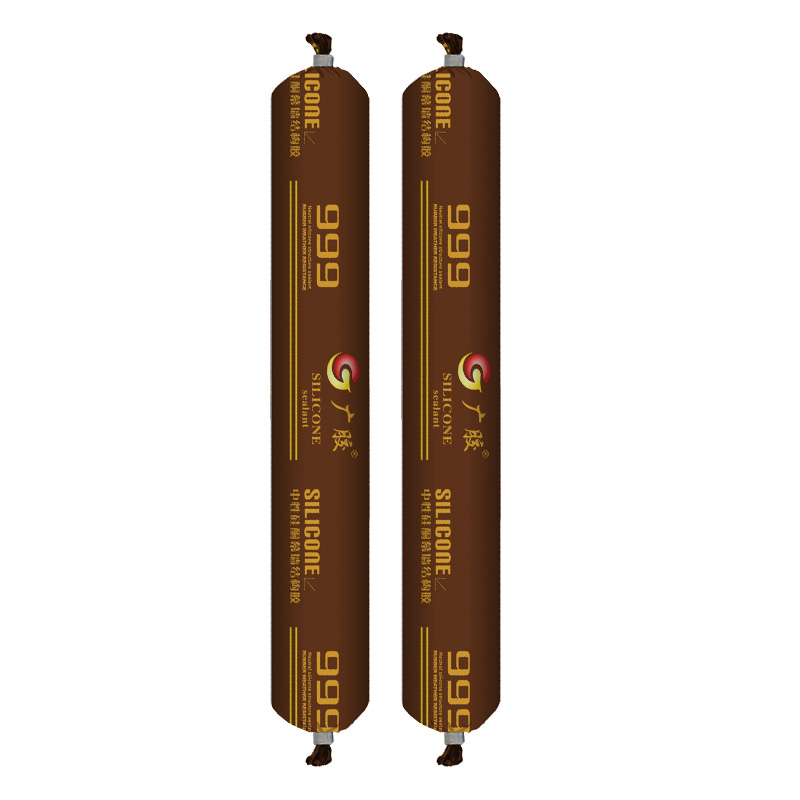
A 999 neutral silicone curtain wall structural sealant is engineered around this chemistry so that it can be applied directly against coated glass and painted metal without a mandatory buffer period, which simplifies scheduling on fast-track construction projects.
It is worth noting that neutral cure chemistry is not automatically superior in every application. Some acetoxy formulations still offer faster tack-free times and are used successfully in general sealing tasks where the substrate is uncoated glass and bare metal. The distinction becomes important specifically when coated glass, reflective low-emissivity layers, or painted and anodized aluminum are part of the assembly, which describes the large majority of contemporary curtain wall projects.
Fabricators sometimes run a simple compatibility check before committing to a formulation for a new glass or coating supplier: small sample coupons are bonded and then exposed to accelerated weathering conditions, after which adhesion is checked by hand. This is a low-cost step that catches substrate compatibility issues long before a full unit is fabricated.
Specification sheets for structural glazing sealants report a consistent set of properties, but the numbers only matter in the context of how a joint is designed. The table below summarizes the criteria that facade engineers reference most often when comparing candidate products.
| Property | Typical Range | Why It Matters |
|---|---|---|
| Movement capability | 12.5 to 25 percent of joint width | Absorbs thermal expansion and building sway without tearing |
| Tensile adhesion strength | 0.6 to 1.0 megapascals | Determines wind load and dead load holding capacity |
| Elongation at break | 250 to 600 percent | Indicates flexibility reserve before rupture |
| Shore A hardness | 25 to 45 | Balances firmness with joint flexibility |
| Service temperature range | negative 50 to positive 150 degrees Celsius | Confirms performance across climate extremes |
| UV and weathering resistance | Rated for continuous outdoor exposure | Prevents chalking and adhesion loss over the facade lifespan |
These figures are typical ranges observed across neutral cure structural glazing products and are not a guarantee for any single formulation. Project specifications should always reference the manufacturer data sheet and independent test reports for the exact product selected.
Two figures deserve extra attention during specification review. The first is movement capability, since this number is used directly in the joint width calculation for the project; a sealant with a lower rating simply requires a wider joint to accommodate the same amount of expected movement. The second is tensile adhesion strength, because this figure, combined with the bonded surface area of the joint, determines the actual load the sealant can carry before failure. Facade engineers generally apply a substantial safety factor on top of tested values rather than designing to the laboratory maximum.
Curtain wall panels are generally detailed in one of two configurations, and the sealant selection can differ slightly between them.
All four edges of the glass panel are bonded structurally to the frame with no exposed mechanical retention, giving a continuous flush glass appearance. This configuration places the highest reliance on the sealant, since there is no mechanical backup along any edge.
Two opposing edges are bonded structurally while the other two edges rely on a mechanical pressure plate or capture system. This is often used where horizontal or vertical sightlines are prioritized differently across the facade design.
Four-side structural glazing typically calls for more conservative joint sizing and stricter quality control during fabrication, since every edge of every panel depends on adhesive performance alone. Two-side systems can sometimes tolerate a narrower structural bite because the mechanical edges share part of the load path, though local building codes and engineering review still govern the final joint design in either case.
Curtain wall assemblies typically need more than one sealant type across the building envelope. Structural bonding, perimeter weatherproofing, and large-panel fast turnaround each favor a different formulation profile.
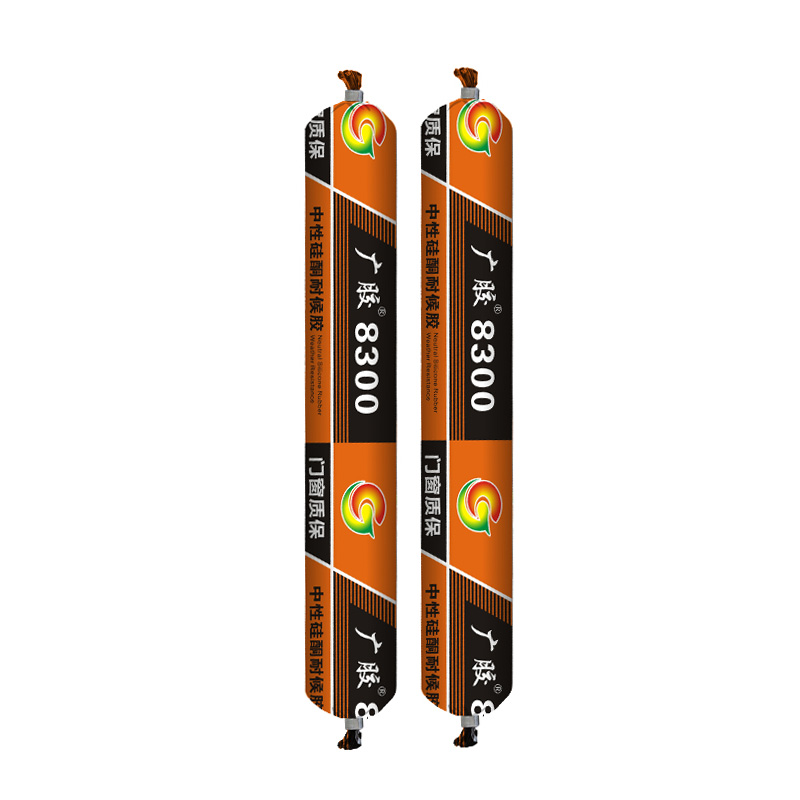
Designed for load-bearing glass to frame joints where long-term adhesion and movement capability are the primary concerns. A 8300 neutral silicone structural glazing and weatherproofing sealant extends this role by combining structural adhesion with a weatherproof cap bead in a single product line.
Applied at the joints between curtain wall units and adjacent building materials to block air and water infiltration. These joints see less structural load but more exposure to direct weather cycling.
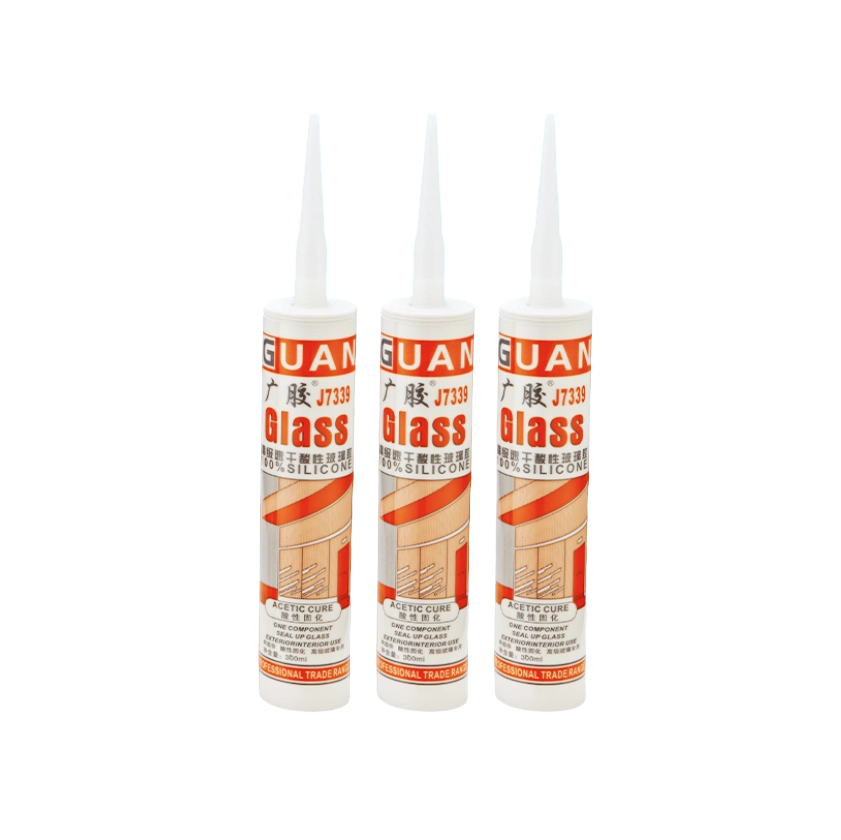
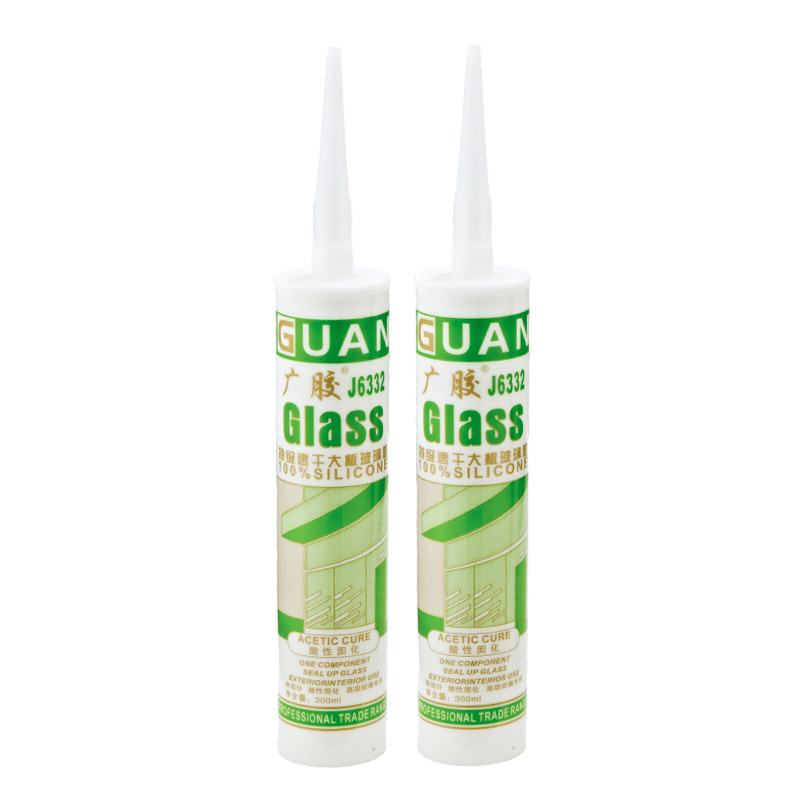
Large glass panels used on feature facades benefit from faster skin and tack-free times so that installation crews can proceed to the next lift without extended holding periods. A J6332 premium fast cure glass silicone sealant for large panels is built around this accelerated cure profile while still meeting structural adhesion targets.
Structural glazing performance depends as much on application discipline as on the sealant formulation itself. The sequence below reflects standard practice for structural silicone glazing on curtain wall units.
Field adhesion testing, typically a hand pull or knife tab test, is standard practice before a curtain wall unit is accepted for structural service. This confirms that on-site substrate conditions match the adhesion performance validated in laboratory testing.
Ambient conditions during application also matter more than installers sometimes expect. Temperature and humidity both influence skin time and cure rate, and applying sealant outside the range stated on the product data sheet can produce a joint that looks acceptable at handover but underperforms once the building is in service. Shaded, temperature-controlled staging areas are commonly used for shop-glazed units specifically to keep application conditions consistent regardless of the outdoor weather on a given day.
Because structural glazing cannot be visually inspected once a building is enclosed, quality assurance is front-loaded into the fabrication and installation phases rather than left to periodic building inspection.
These practices do not eliminate risk entirely, but they convert an otherwise invisible structural component into one with a documented performance history, which is valuable if a warranty claim or building envelope investigation ever becomes necessary years after completion.
Most structural glazing failures trace back to a small set of root causes rather than a defect in the sealant chemistry itself.
Selecting a sealant with documented compatibility testing against the specific glass coating, frame finish, and insulating glass unit components used on a project reduces the likelihood of each of these failure modes.
A recurring theme across these failure patterns is that they are largely preventable through process discipline rather than requiring a different chemistry altogether. Consistent surface preparation, correct joint sizing at the design stage, documented compatibility testing, and adherence to cure schedules address the great majority of issues seen in the field, which is why quality assurance procedures during fabrication carry as much weight as the sealant specification itself.
Panel size, wind load zone, and project schedule all influence which structural silicone formulation is appropriate for a given facade.
| Project Condition | Formulation Consideration |
|---|---|
| Standard mid-rise curtain wall | General purpose neutral structural sealant with proven movement capability |
| High wind load or coastal exposure | Higher tensile adhesion and enhanced weathering resistance |
| Combined structural and weather seal joints | Dual-purpose structural and weatherproofing formulation to reduce joint types on site |
| Large format panels with tight schedules | Fast cure formulation to reduce holding time between lifts |
| Coated or reflective glass | Neutral cure chemistry with verified glass coating compatibility testing |
Specifiers should request compatibility test data for the exact glass coating and frame finish being used, since laboratory adhesion results are substrate specific rather than universal.
Climate context also shapes formulation choice in ways that a generic data sheet cannot fully capture. Facades in regions with wide seasonal temperature swings experience more frequent expansion and contraction cycles, which places extra demand on movement capability over the years compared with a climate that stays relatively stable. Coastal and marine environments introduce additional considerations around salt exposure and humidity, which can accelerate degradation of poorly matched materials at the joint interface even when the sealant itself remains structurally sound. Reviewing regional climate data alongside the sealant test reports gives a more realistic picture of expected long-term performance than relying on laboratory figures alone.
Structural glazing sealants are tested and rated for sustained load-bearing adhesion, meaning they can hold glass panel weight and resist wind pressure over the life of the building. General weatherproofing sealants are designed primarily to block air and water and are not rated for this load-bearing role.
Neutral cure sealants produce byproducts during curing that are less likely to corrode coated metal framing or interfere with insulating glass unit edge seals, which makes them the preferred choice for long-term curtain wall applications.
Joint width is calculated from the expected movement of the assembly, such as thermal expansion and building sway, divided against the sealant movement capability rating, so that the sealant is never strained beyond its tested range.
Some formulations are designed to perform both roles, which can simplify material logistics on site, though the specific product data sheet should confirm it is rated for both structural and weatherproofing service.
A field adhesion test, such as a hand pull or knife tab test performed after the recommended cure period, is standard practice to confirm that the sealant has bonded properly to the actual site substrates before the unit is loaded.
Four-side systems place full reliance on the sealant along every edge of the panel and generally call for more conservative joint sizing and stricter quality control, while two-side systems share part of the load path with a mechanical edge, though both configurations still require engineering review to finalize joint dimensions.
Wide seasonal temperature swings increase the frequency of expansion and contraction cycles that a joint must absorb, while coastal or high humidity environments can accelerate degradation at the joint interface, so regional climate data should be reviewed alongside laboratory test reports during selection.
Subscribe to our newsletter
Product
Quick Links
contact Us
No. 9, 2nd Road, Huicheling Industrial Park, Heping Town, Changxing County, Huzhou City, Zhejiang Province, China
+86-572-6550355
+86-17769681106


 English
 Français
 Español