Content
Two weeks after the lobby mirrors were installed, dark spots began appearing on the silver backing. The glass company blamed the mirror supplier, and the mirror supplier blamed the adhesive. The real problem was the sealant: it was an acetoxy-cure silicone that released acetic acid as it cured, and that acid ate into the mirror coating. A neutral cure silicone would have avoided the entire issue.
Neutral cure means the silicone sealant releases a non-acidic byproduct, usually alcohol or oxime, while changing from paste to flexible rubber. It does not release acetic acid, so it will not corrode metals, etch natural stone, or damage mirror backing. This makes it the safer, more versatile choice for most multi-material building and industrial projects.
Every silicone sealant falls into one of two families: acidic cure or neutral cure. Which family you choose decides which surfaces you can seal without risking expensive damage.
At its core, "neutral cure" describes the chemical byproduct released during the moisture-triggered crosslinking reaction. A neutral cure silicone releases alcohol, from alkoxy systems, or methyl ethyl ketoxime, from oxime systems. Neither byproduct is acidic, and that single chemical difference shapes the product's entire performance profile.
The reaction works in two stages. First, moisture in the air triggers the release of the alcohol or oxime group from the polymer chain. Second, the chains crosslink into a flexible rubber. This is why these products are also called moisture-cure: they cannot harden without humidity, and their speed depends on air temperature, ventilation, and joint depth.
Key takeaway: Neutral cure silicone becomes rubber through a moisture-triggered reaction and releases alcohol or oxime, not acid.
Typical full cure: 24 to 48 hours at 23 degrees Celsius and 50 percent relative humidity.
Comparison: Acetoxy silicone releases acetic acid and cures faster, but it can corrode metals and etch sensitive stone.
The cure rate is also not constant. The surface of a joint skins over within 10 to 20 minutes, but the depth continues to cure. Thick joints, deep fillets, or closed spaces can leave the center uncured for much longer. For structural applications, always allow the recommended full-cure time before applying load.
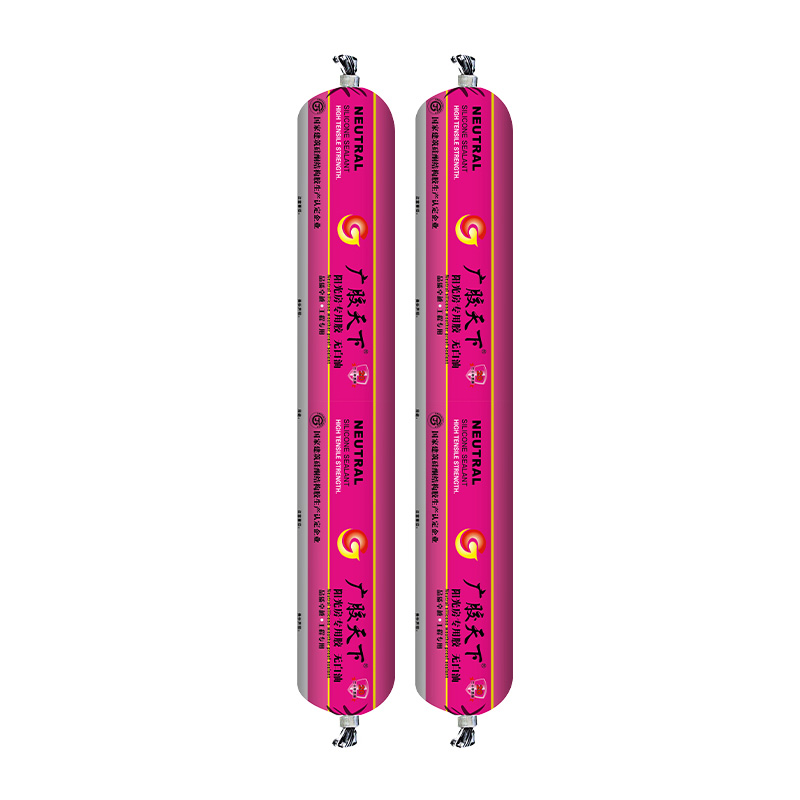
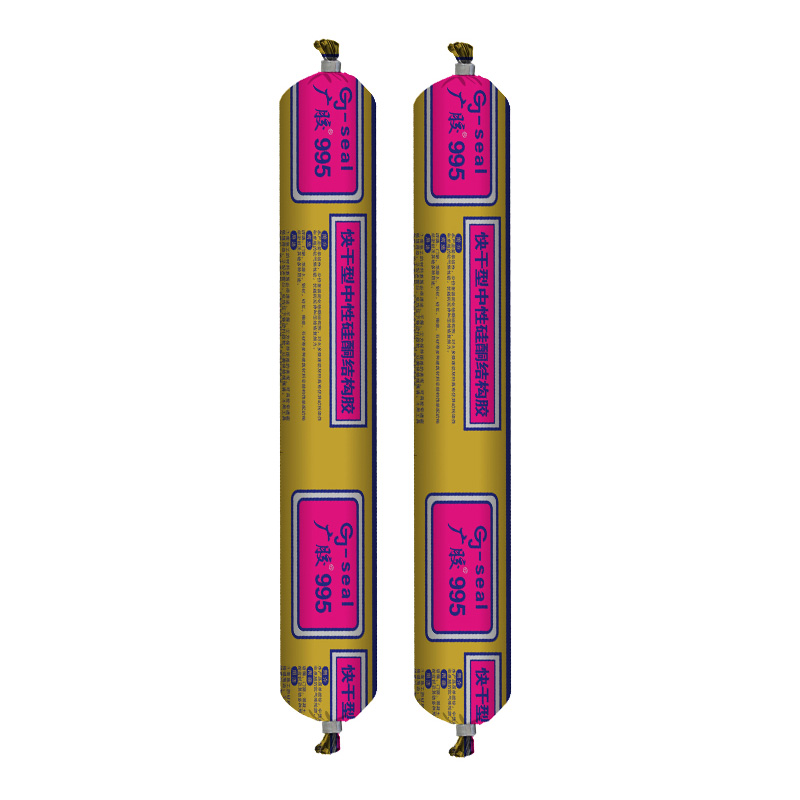
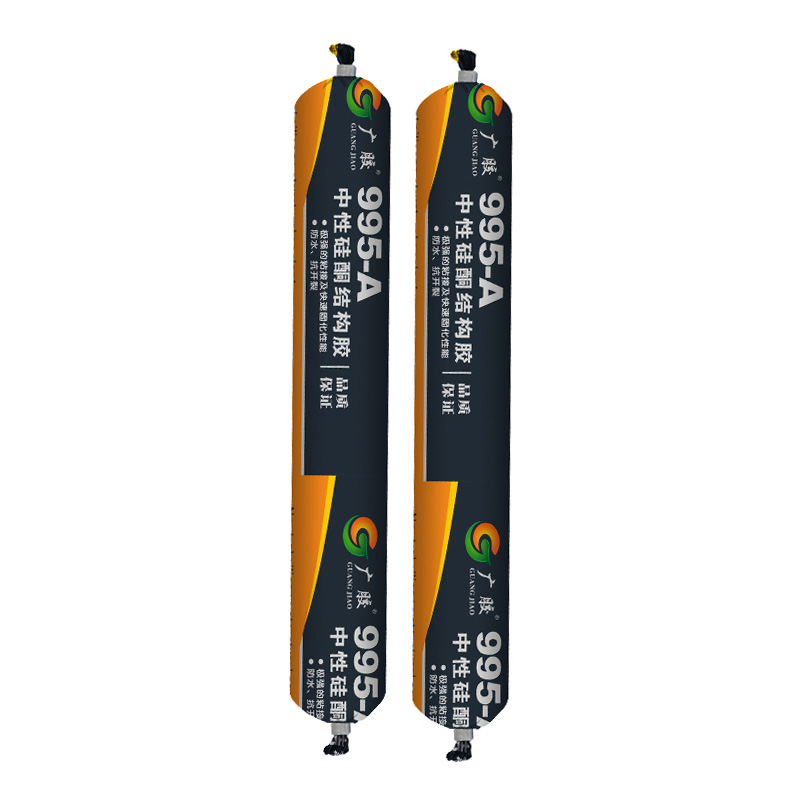
This is why neutral cure products are listed as standard for curtain walls, structural glazing, photovoltaic modules, and any job where the sealant touches more than one material. If you need a general-purpose neutral cure product for building sealing, the 995A Neutral Silicone Building Sealant is a solid choice for concrete, aluminum, and coated metal profiles.
 995-A Neutral Silicone Building Sealant for Multi-Material SealingThis general-purpose neutral silicone sealant provides reliable bonding and sealing for concrete, aluminum, and coated metal profiles. Its moisture-curing chemistry ensures durable performance in varied conditions, making it a practical choice for building joints requiring long-term integrity.View Product →
Choosing neutral cure is not an academic exercise. It is a procurement decision that determines whether the sealant will fail on metal, stone, or mirror surfaces, and whether you will get a callback from a frustrated client.
Non-corrosive Mirror-safe Stone-friendly Metal-safe
When you use acetoxy silicone on the wrong substrate, the consequences are concrete:
These failures are among the most common reasons contractors ask why a product darkened a mirror or corroded a copper door. On a larger project, the specification sheet may already say it: phrases like "non-corrosive," "compatible with natural stone," or "mirror-safe" are clear signals to choose neutral cure.
In structural glazing, for example, the sealant sits against aluminum profiles, coated glass, and stone panels. The 999 Neutral Silicone Curtain Wall Structural Sealant is built for exactly that combination, where neutral cure chemistry is non-negotiable.
 999 Neutral Silicone Structural Sealant for Curtain WallsDesigned for structural glazing, this single-component neutral silicone bonds reliably to aluminum, coated glass, and stone. It cures at room temperature, offering high strength and weathering resistance, ensuring seal integrity in demanding curtain wall assemblies.View Product →
For most multi-material sealing jobs, neutral cure is the correct buy. Acetoxy still has a narrow role where fast cure and low cost matter more than material safety. If you need a quick summary of the trade-off, read the neutral cure vs acetoxy silicone comparison guide.
| Property | Neutral Cure | Acetoxy Cure |
|---|---|---|
| Byproduct | Alcohol or oxime | Acetic acid |
| Odor | Mild, oily | Strong vinegar smell |
| Corrosion risk | Very low | High on metal and stone |
| Cure to touch | 10-20 minutes | 5-10 minutes |
| Full cure | 24-48 hours | 12-24 hours |
| Price premium | 10-30 percent higher | Lower |
Acetoxy silicone excels at glass-to-glass work, aquarium construction, and fast general glazing, where the acid cannot reach a sensitive substrate. Neutral cure is the standard for anything involving metal, stone, concrete, mirrors, or electronics.
One subtle issue is adhesion. Neutral cure silicones adhere well to glass, aluminum, and many coated metals, but their slower cure time can affect scheduling on fast-turnaround projects. If you need faster green strength, a fast-cure neutral formula is available. The point is to match chemistry to the project, not just to the tube price.
Several applications should be specified as neutral cure only. If you use acetoxy there, you are effectively buying a warranty claim.
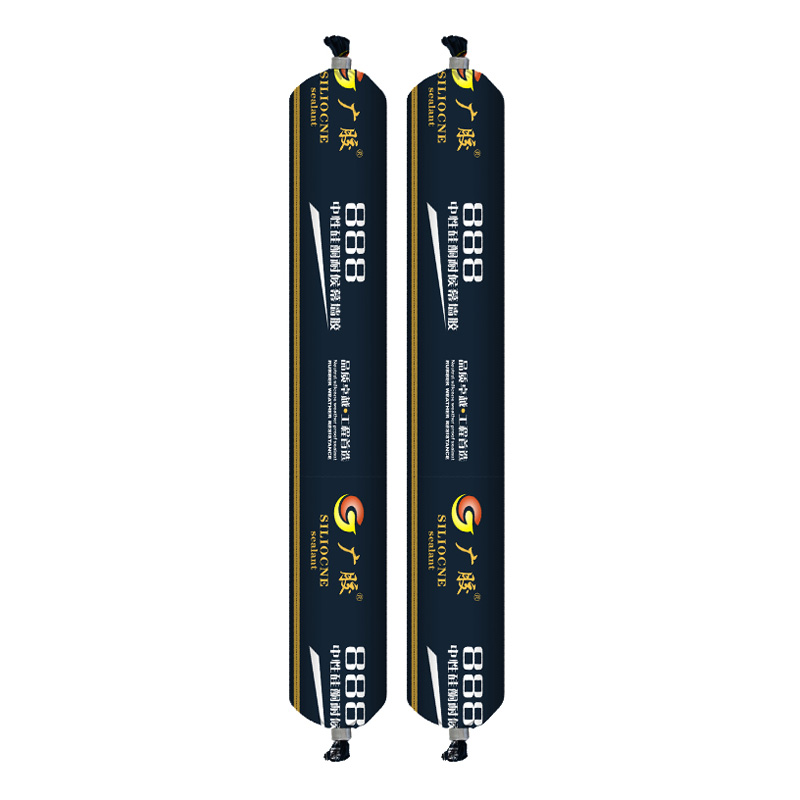
 888 Neutral Cure Weatherproof Sealant for Curtain WallsThis neutral silicone sealant delivers long-lasting weatherproofing for curtain wall joints. It bonds well to metal, glass, and stone, resists temperature extremes, and cures without corrosion, making it suitable for skylights and metal structures.View Product → is designed for this duty.
In all these cases, the sealant must do more than keep water out. It has to stay flexible for years, bond to different materials, and avoid any chemical interaction that damages the assembly.
You can confirm a neutral cure product in a few steps before you buy. Do not trust the label alone.
This habit is especially useful when comparing products from different suppliers. It can also catch a mislabeled product before it causes damage on a larger job.
The price difference between neutral and acetoxy is usually 10 to 30 percent per tube. For a small glazing job, that is a rounding error. For a facade with thousands of joints, it is worth paying, because the rework cost of corroded metal is far higher than the sealant saving.
Not always. Many neutral cure products are 100 percent silicone (RTV), but some hybrids also use the term while containing silane-modified polymers. Check the datasheet under "chemical base" to confirm.
Usually not. Silicone has low surface energy, so most paints bead up and peel. If you need a paintable joint, look for an MS polymer sealant or a paintable silicone product.
At 23 degrees Celsius and 50 percent humidity, full cure at the center of a typical joint takes 24 to 48 hours. Thinner joints and higher humidity speed it up, while cold weather and thick joints slow it down.
Yes. This is the main reason to choose it. Neutral cure does not release acid, so it will not corrode aluminum, galvanized steel, copper, or stainless steel in outdoor environments.
Yes. Cold weather slows the moisture-cure reaction, but neutral cure silicones are formulated for facade and curtain wall work with UV, rain, and seasonal temperature swings. Check the datasheet for a minimum application temperature.
Choosing the right silicone chemistry comes down to one question: what does the sealant touch? If it touches metal, stone, mirrors, or electronics, neutral cure is the answer. Understand the byproduct, verify it on the datasheet, and you will avoid the expensive mistakes that come with acetoxy silicone.
Subscribe to our newsletter
Product
Quick Links
contact Us
No. 9, 2nd Road, Huicheling Industrial Park, Heping Town, Changxing County, Huzhou City, Zhejiang Province, China
+86-572-6550355
+86-17769681106


 English
 Français
 Español