Content
Sealant is one of the cheapest items on an industrial bill of materials and one of the most expensive to get wrong. A leaking junction box on a solar array, a light fitting that fogs after 200 thermal cycles, or a cold-room panel joint that opens at -25 °C all trace back to the same three decisions: cure chemistry, joint geometry and cure speed.
The short answer on how to specify industrial silicone sealants: choose the cure chemistry by substrate, choose hardness and movement capability by joint design, then choose cure speed by the takt time of your line. Price per cartridge comes fourth.
Almost every industrial silicone sealant is a one-component RTV (room-temperature vulcanising) product. It cures by reacting with airborne moisture, starting at the surface and advancing inward at roughly 1 to 2 mm per 24 hours at 23 °C and 50% relative humidity. The cured rubber stays elastic from about -50 °C to 200 °C, resists UV, ozone and water, and grips glass, metal, ceramics and many plastics. Those properties put it on production lines where a rigid adhesive would crack within a season.
The common thread is movement. Where two materials expand at different rates, an elastomeric sealant deforms and recovers while a rigid bond concentrates stress until it fails.
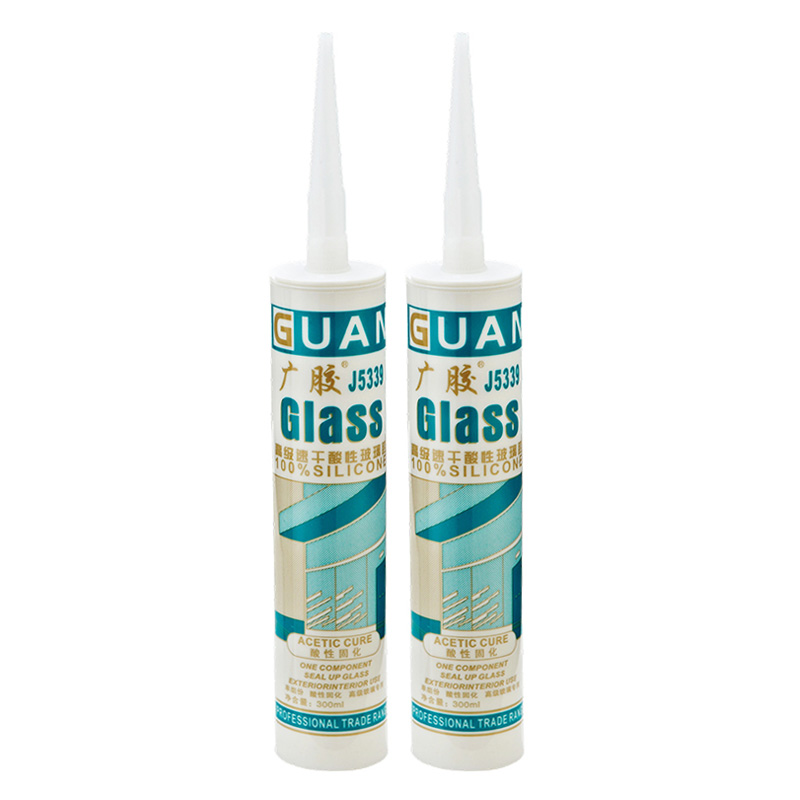
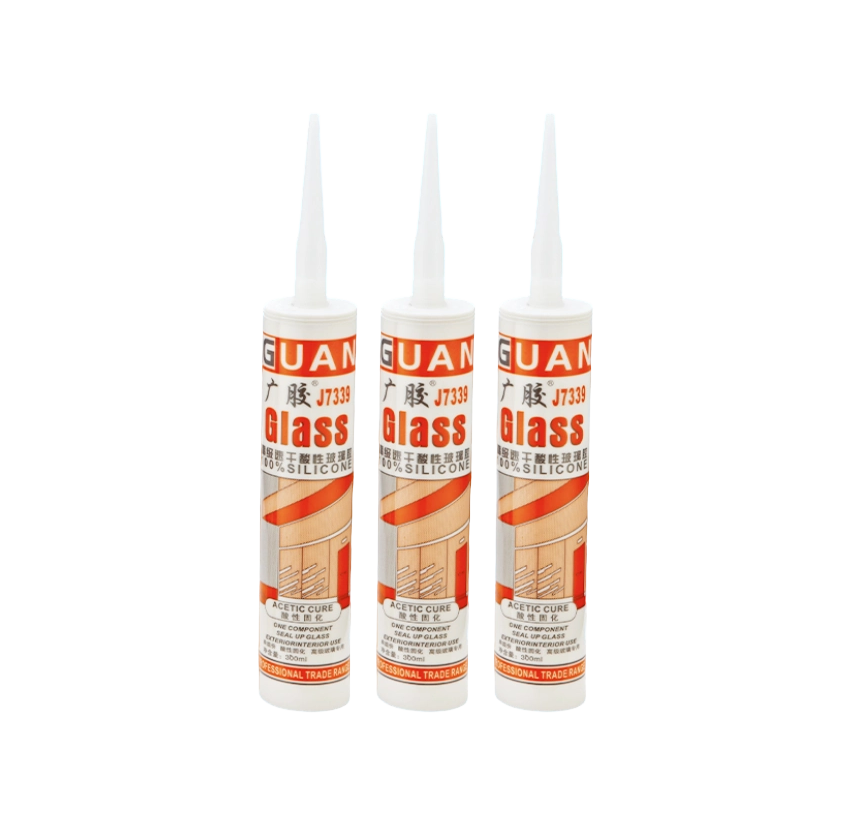
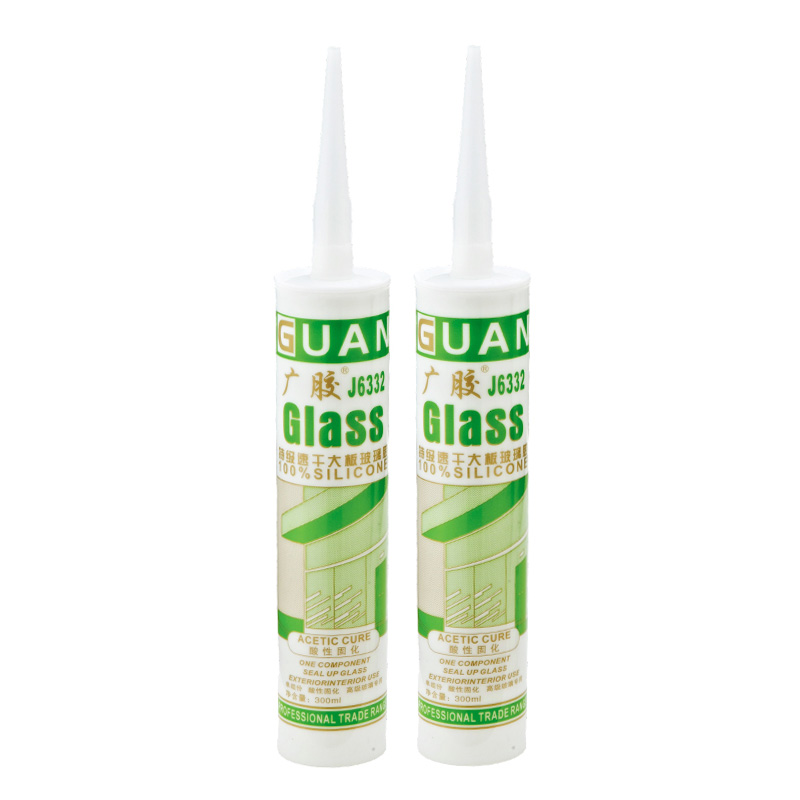
Acetoxy (acetic acid) systems cure quickly, grip glass and glazed ceramic well, and cost the least of the three common families. Their by-product is acetic acid, which attacks bare copper, brass, zinc, lead and mirror backing. Inside an enclosure full of exposed terminals that is not a smell problem, it is a corrosion problem.
Neutral systems release alcohol or ketoxime instead. They cost more and in some formulations cure slightly slower, but they are safe over metals, coated parts, plastics and concrete. Alkoxy neutral grades are the usual pick for electronics, lighting and cleanroom work, where odour and low outgassing matter as much as adhesion. Oxime neutral grades give a slightly firmer cured rubber and suit panels, ducting and general assembly. The comparison of acetoxy versus neutral cure sealants covers by-products, adhesion behaviour and typical joint designs in more detail.
| Cure system | By-product | Substrate fit | Typical industrial use |
|---|---|---|---|
| Acetoxy, acid cure | Acetic acid | Glass, glazed ceramic, inert coatings; avoid bare copper, brass, zinc and mirror backing | Fast glass bonding, tank glazing, quick assembly fixtures |
| Neutral alkoxy | Alcohol | Metals, engineering plastics, coated surfaces, concrete; low odour | Electronics enclosures, lighting, PV junction boxes, cleanroom panels |
| Neutral oxime | Ketoxime | Broad: metals, masonry, composites | General assembly, ducting, insulated panel joints, cold storage |
Practical filter: if the bond line touches bare metal or any electronic assembly, start with neutral cure and prove adhesion on the real substrate. If it only touches glass, ceramic or an inert coating, acetoxy cure buys speed at a lower cost.
Here the sealant is a moisture barrier, not a structural element. Alkoxy neutral grades with low volatile content are typical, applied as a gasket bead or a full seal around a lid. Two constraints dominate: cure depth, because a 10 mm enclosed cavity may never cure completely, and compatibility with the plastics and coatings inside the housing. Thixotropic, non-sag grades stay where they are placed on vertical walls.
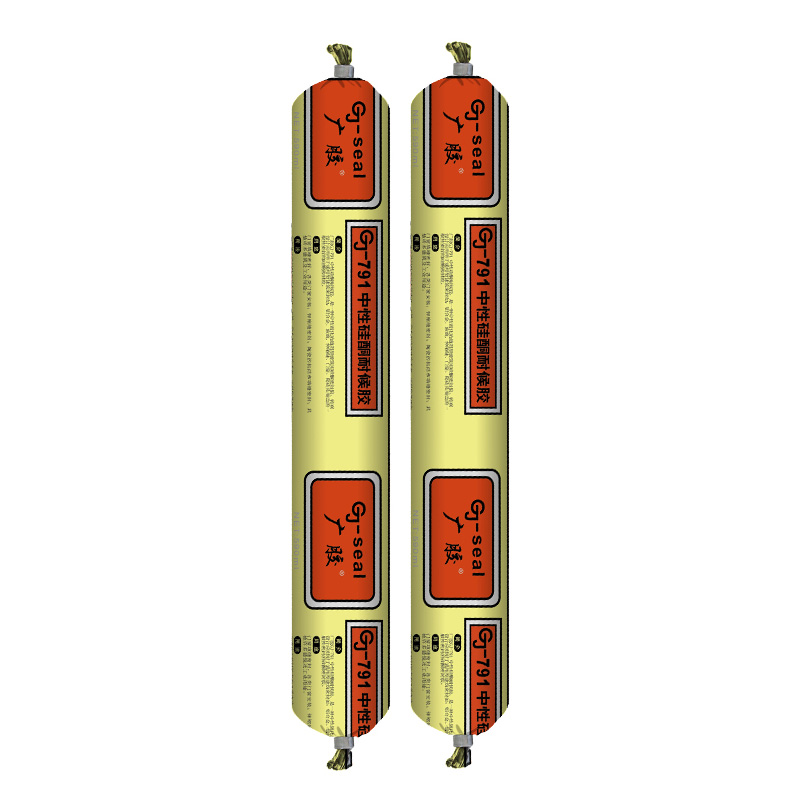
Photovoltaic hardware combines the hardest exposures: -40 °C to 85 °C cycling, UV, humidity and a 25-year service expectation. Junction box potting and frame bonding need adhesion to backsheet films, aluminium frames and connector plastics, plus a modulus that lets the assembly expand without stressing the cell interconnects. Purpose-built photovoltaic silicone is formulated for that rather than borrowed from a general construction grade.
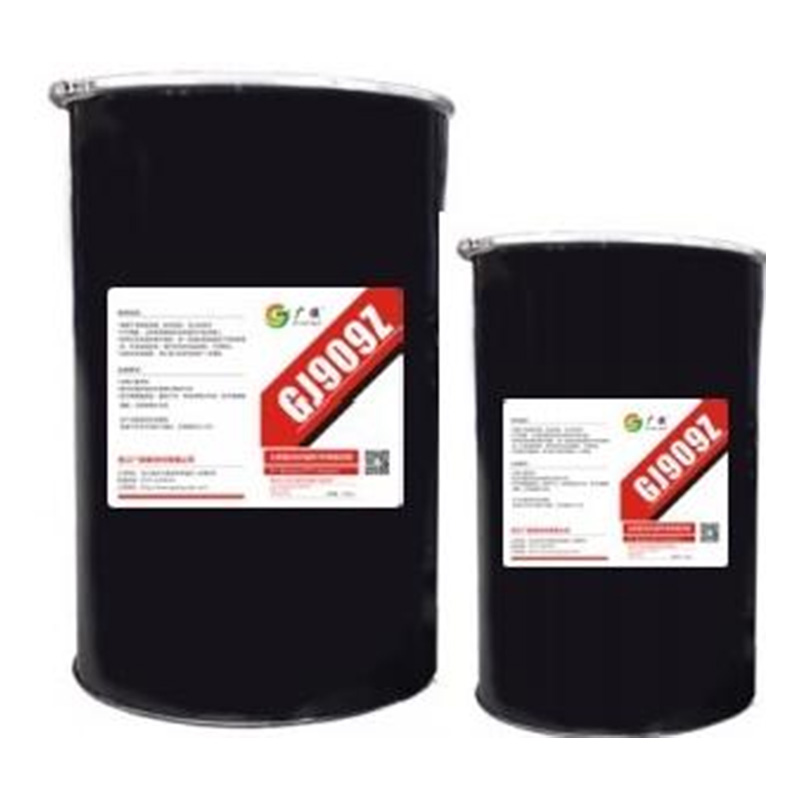 Guangjiao GJ909 Silicone Sealant for Solar Panel ComponentsFormulated for photovoltaic module frame and laminate bonding, with adhesion to aluminum, glass, and backsheets, plus electrical insulation and weather resistance.View Product →
Insulated panel joints, pipe penetrations and wall-floor transitions move constantly with temperature. Selection leans on movement capability, anti-mildew performance and resistance to washdown chemicals. Note the cure-rate penalty: at 5 °C a moisture-cure sealant takes considerably longer to skin over, so seal the joints before refrigeration is switched on.
Large glass tanks need high tensile strength, permanent water resistance and a cure system that will not leach harmful residues once fully vulcanised. Fast-curing acetoxy grades remain the traditional answer for bonded glass, provided frames and fittings are glass or a compatible inert material.
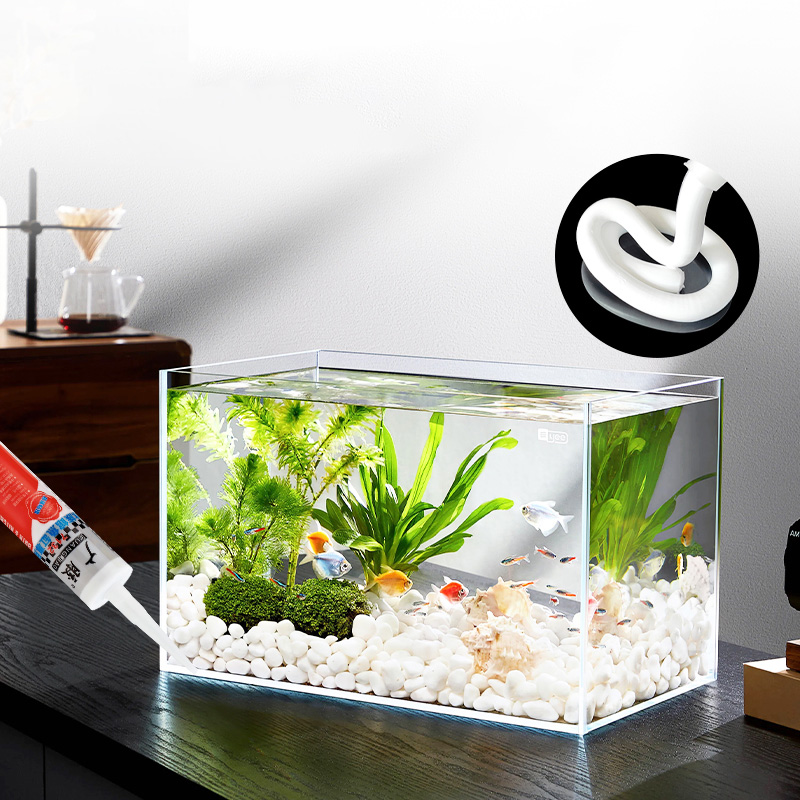 Guangjiao 7132 Aquarium Silicone Sealant for Fish TanksFor large glass aquariums and acrylic tanks, this fast-curing acidic silicone provides water resistance, elasticity, and biocompatibility after curing.View Product →
When the sealant carries load instead of merely filling a gap, the specification changes: structural grades with defined tensile strength, elongation and durability data, applied to a controlled joint geometry with a documented adhesion test. It is the same discipline used in curtain wall structural glazing, transferred to equipment frames, canopies and prefabricated units.
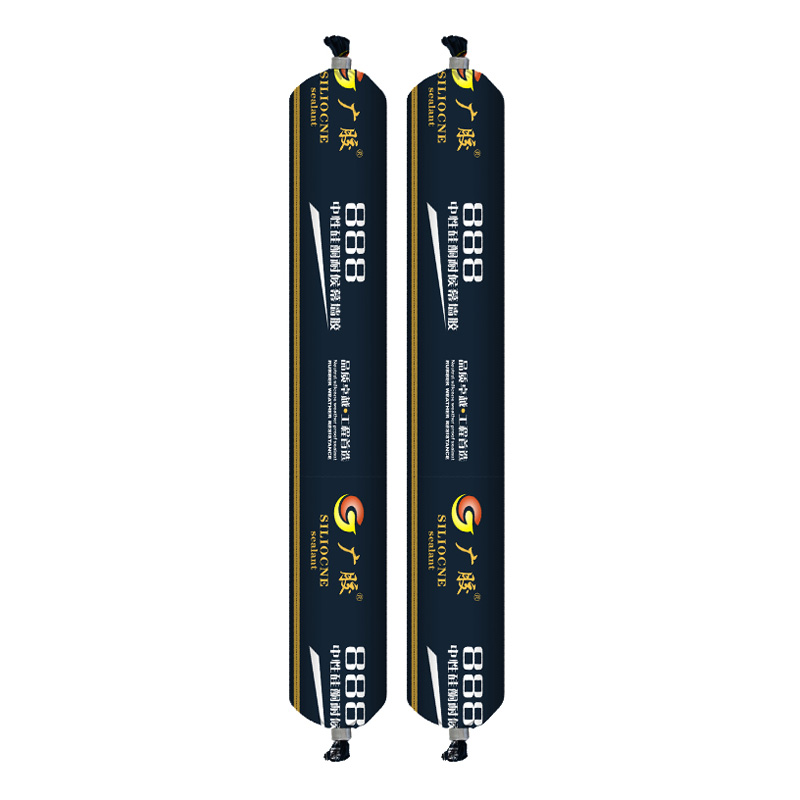
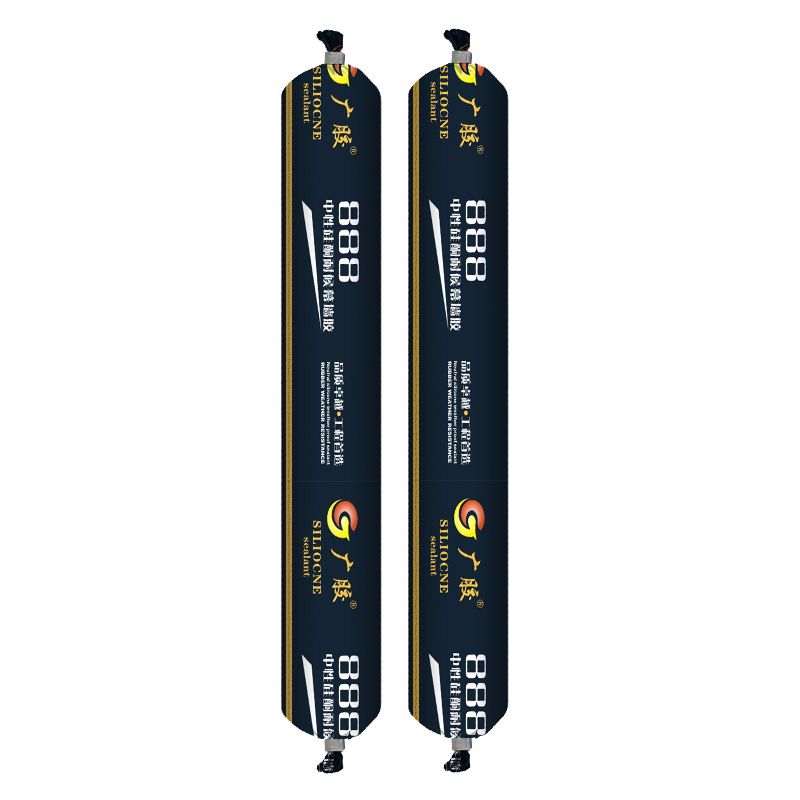
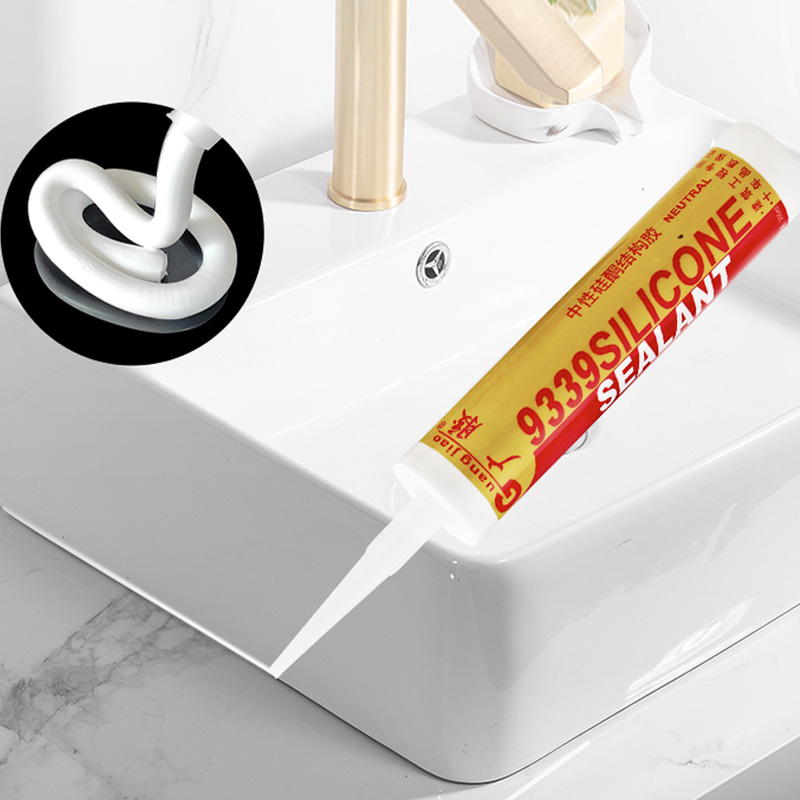 Guangjiao 9339 Neutral Silicone Structural Adhesive SealantWhere structural sealing carries load, this one-component neutral adhesive targets curtain wall, skylight, and metal structure bonding with weather resistance.View Product →
Six figures decide whether a sealant works in production. Take them from the technical data sheet, then confirm each one on a sample joint.
Where the line cannot wait, a fast-curing industrial sealant shortens the handling window, but check the trade-off: faster skin formation usually shortens open time at the nozzle, which changes how the dispensing cell must be set up.
Most rework on a sealed assembly traces back to incoming material or storage rather than to the operator. Four checks remove most of that risk.
That last point is where supplier type matters. Zhejiang Guangjiao New Material has held structural silicone sealant manufacturing qualification since 2016 and passed national quality inspection in 2017, so batch traceability runs back through a documented process rather than to a repacked drum.
Sometimes, but the formulation targets differ. A construction sealant is optimised for movement and weather, while industrial work often demands faster cure, adhesion to engineering plastics, low outgassing and controlled modulus. For electronics, photovoltaic and cleanroom joints, start with a grade intended for that environment.
Moisture cure advances at roughly 1 to 2 mm per 24 hours from an exposed surface. A deep, fully enclosed cavity may never cure to the centre, so keep bond-line depth within the limits stated by the manufacturer and design the joint so air can reach the sealant.
Many clean aluminium and stainless steel surfaces bond without a primer. Anodised aluminium, powder-coated profiles, galvanised steel and some plastics frequently need a primer or adhesion promoter. Confirm with a peel test on production samples instead of assuming.
Specifying industrial silicone sealants becomes faster when the sequence is fixed and the brand choice comes last.
Run in that order and the commercial decision carries far less risk, because a supplier that manufactures across acetoxy, neutral, weatherproof, coloured and photovoltaic grades can often cover several joints from one qualified source and one set of test data.
Subscribe to our newsletter
Product
Quick Links
contact Us
No. 9, 2nd Road, Huicheling Industrial Park, Heping Town, Changxing County, Huzhou City, Zhejiang Province, China
+86-572-6550355
+86-17769681106


 English
 Français
 Español