Content
A curtain wall joint looks fine for the first two summers. Then a hairline crack appears, water wicks into the insulation, and the contractor is back on site with a scraper and a warranty claim. In our experience with facade contractors and plant maintenance teams, failures like this rarely come from poor workmanship alone. More often, the sealant was simply never specified for the real service conditions.
A high performance sealant changes that. It is not one magic number on a datasheet; it is an engineered combination of adhesion, movement capacity, weather resistance, and reliable cure. Get those four dimensions right for your substrate, your joint design, and your climate, and a silicone sealant can outlast the building elements around it.
This guide explains what to measure, how cure chemistry changes performance, where high performance silicones matter most, and what to verify before you buy.
Performance is only useful if it is measurable. For silicone sealants, four properties dominate almost every specification:
If any one of these is weak, the whole joint is at risk. A sealant with excellent adhesion but only ±12.5 percent movement capacity will tear in a facade joint that sees thermal movement of ±25 percent. A neutral cure formula with poor UV resistance will chalk and crack on a south-facing elevation. That is why high performance is defined by the weakest link, not the most impressive number.
Movement capacity is a good starting point for comparing product families. The chart below shows typical values for common silicone types; always confirm the exact class from the product datasheet.
To translate these ideas into procurement language, here is how a genuinely high performance silicone usually compares with a standard construction sealant:
| Property | Standard construction sealant | High performance silicone |
|---|---|---|
| Movement capacity | ±12.5% (ASTM C920 Class 12.5) | ±25% or higher (Class 25 or 50) |
| Service temperature | −20°C to 80°C | −50°C to 150°C |
| UV and weathering resistance | Surface chalking possible after a few years | Tested for long-term exposure with minimal change |
| Tensile strength | Around 0.5 MPa | 0.8 MPa or above depending on grade |
| Typical service life in exterior joints | 5–10 years | 20 years or more when correctly applied |
Use these ranges as a screening tool, not a substitute for the manufacturer’s data. A high performance sealant is only high performance when its certified values match your project’s requirements.
High performance is not only about how strong the cured rubber is; it is also about how the sealant gets there. Silicone sealants cure by reacting with moisture, but they release different by-products. Acetoxy (acidic) sealants release acetic acid, while neutral cure sealants release alcohols and similar non-corrosive compounds.
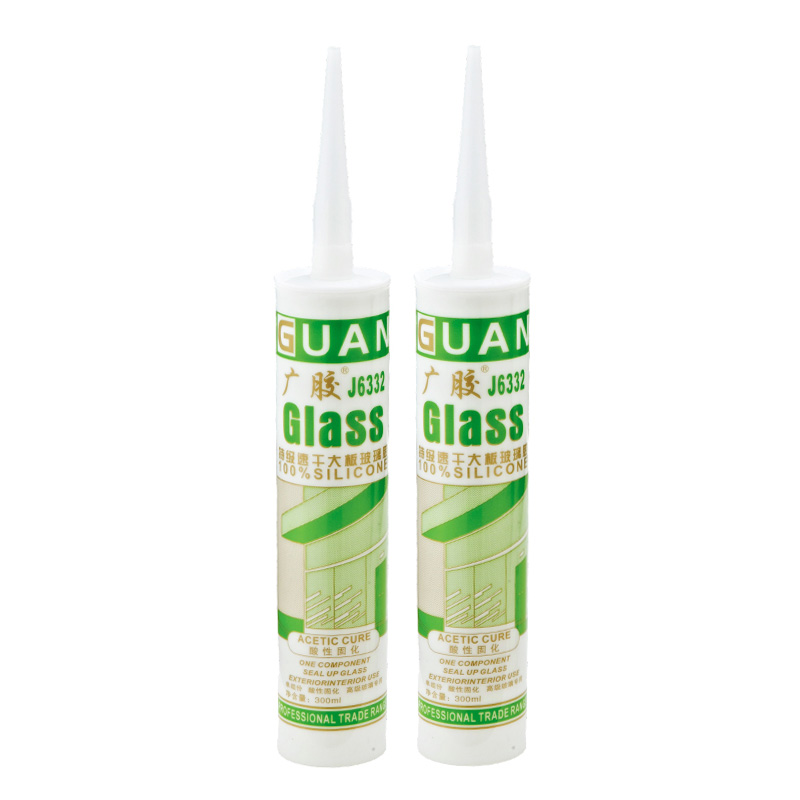
That difference changes your substrate list. Acetoxy silicones bond well to glass and cure quickly, but the acid can corrode copper, brass, zinc, and some metal flashings, and it can attack certain plastics and mirrored coatings. Neutral cure silicones are the safer choice for anodized aluminum, metal curtain wall framing, mirrors, natural stone, and electronic assemblies.
If your project mixes glass with metal or sensitive materials, review our detailed breakdown of acetoxy versus neutral cure silicone before you finalize the bill of materials.
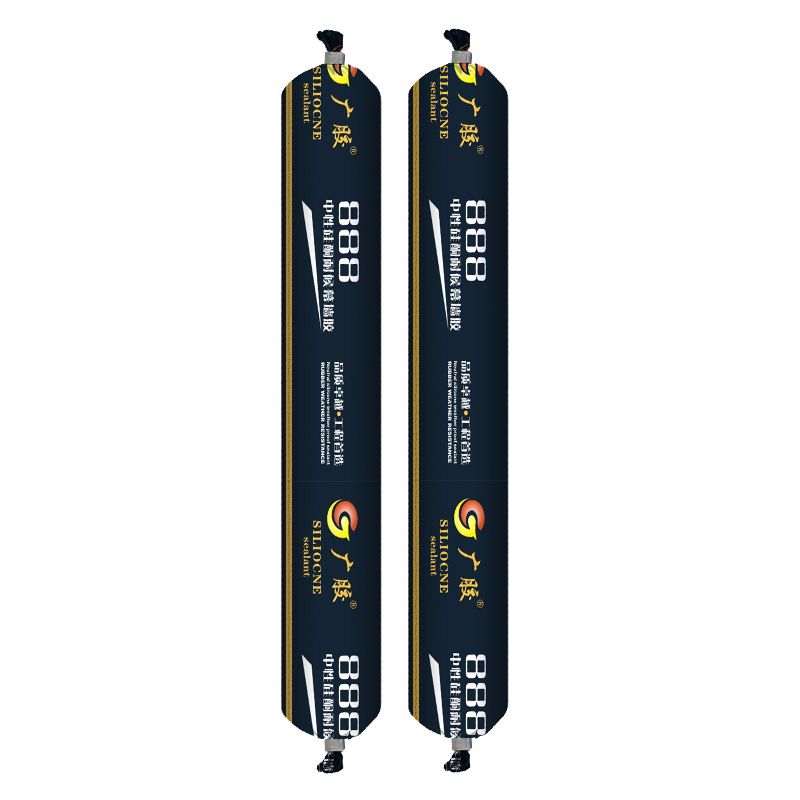
For most building envelope and industrial applications, a fast-cure neutral silicone offers the best balance: the corrosion safety of neutral cure with the construction speed you need. Products like our 995 fast-cure neutral construction sealant are formulated for exactly that middle ground, curing quickly on cool mornings while still providing the movement capacity and adhesion that a high performance sealant specification demands.
 995 Fast Cure Neutral Silicone Construction SealantThis fast-cure neutral silicone offers rapid strength development for construction joints, balancing speed with reliable adhesion and movement capacity for demanding building envelope projects.View Product →
High performance silicone is not needed in every joint, but in several environments it is the difference between a routine installation and a recurring call-back.
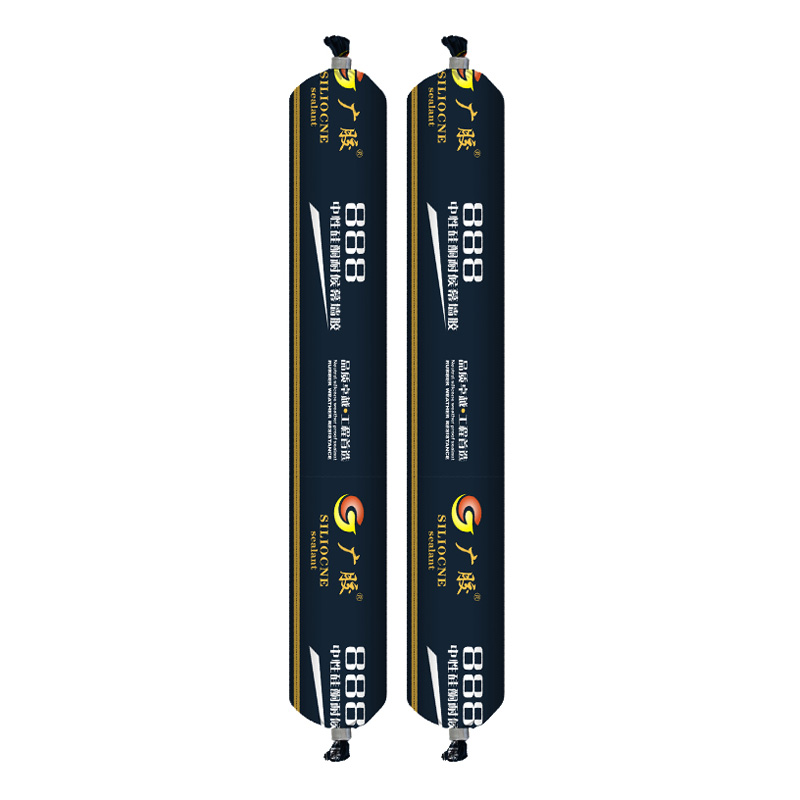
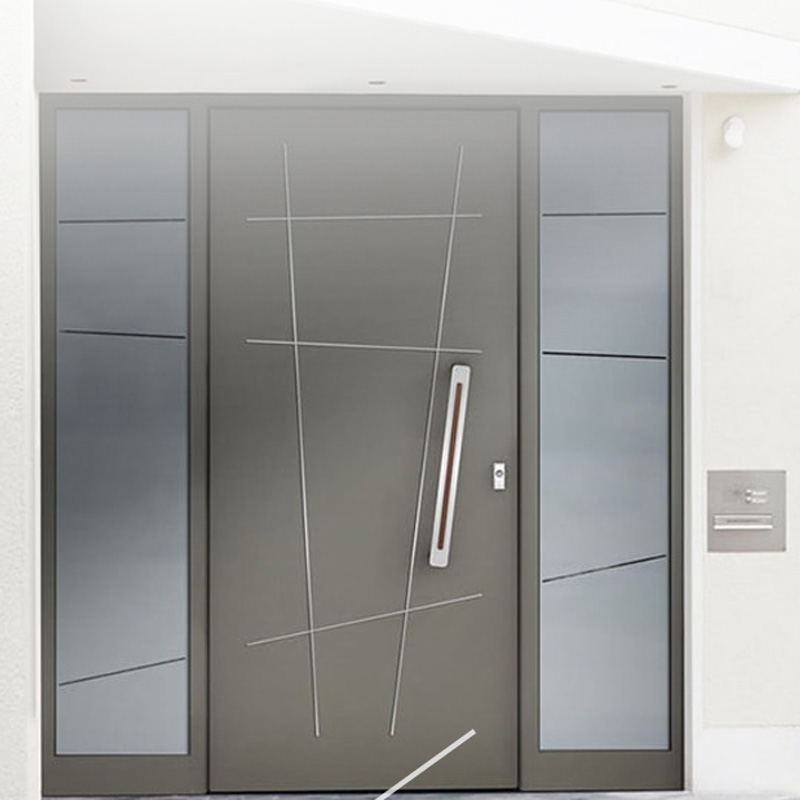
Facades are the most demanding sealant application most contractors will face. The sealant carries wind load, absorbs thermal movement of the frame, and sits in full UV exposure for decades. Structural glazing sealants must do all of this while maintaining a strong bond between glass and metal framing. A 999 neutral silicone curtain wall structural sealant, for example, is formulated for load-bearing glazing joints, not just weather sealing.
 999 Neutral Silicone Curtain Wall Structural SealantDesigned for load-bearing glazing joints, this structural sealant provides strong adhesion and weather resistance, suitable for curtain walls and other high-demand sealing applications.View Product →
For non-structural joints between precast panels, window perimeters, and metal flashings, the priority shifts to movement capacity and long-term weather resistance. A weatherproof architectural silicone keeps water out while the building breathes, but only if the movement class is high enough. If your project has expansion joints that see seasonal movement of 25 percent or more, check that the product is rated accordingly.
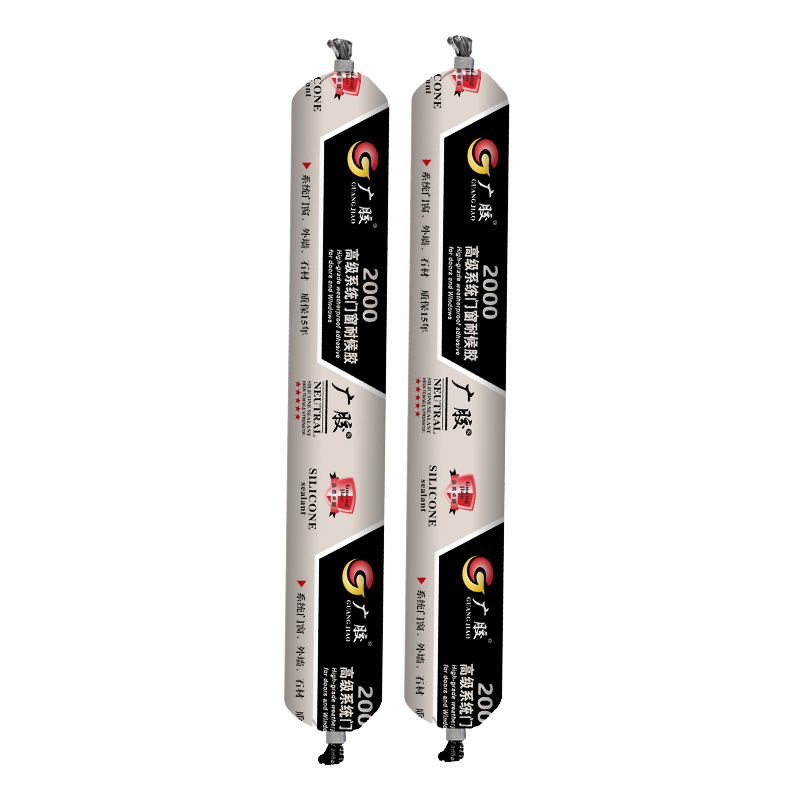
Our 2000 high performance silicone weatherproof architectural sealant is built for that role, with high adhesion to anodized aluminum and glass and a wide service temperature range.
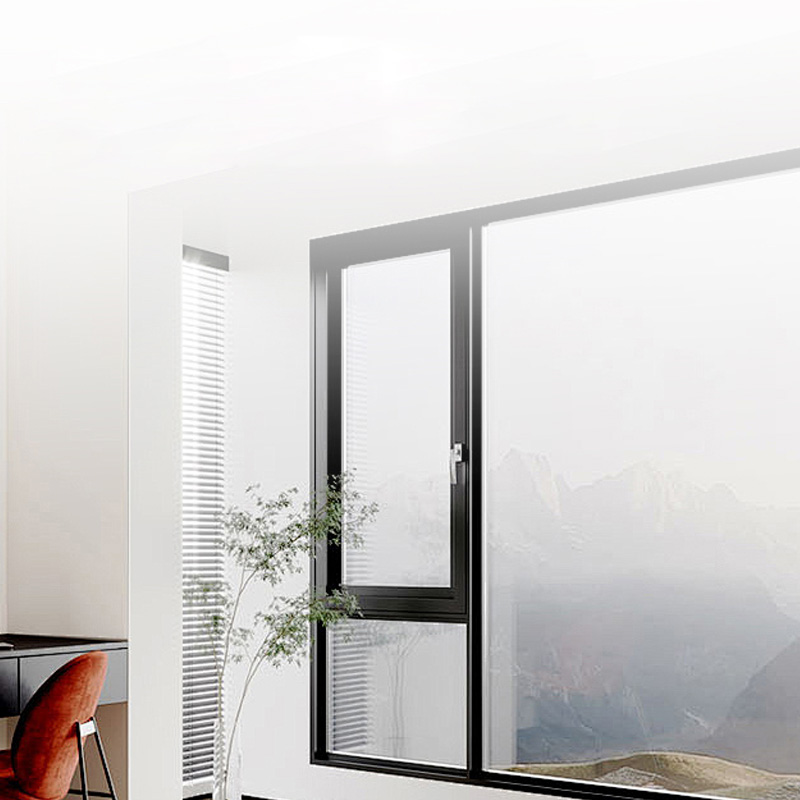 2000 High-Performance Silicone Weatherproof Architectural SealantWith enhanced durability and resistance to aging, this weatherproof sealant handles significant joint displacement, ideal for high-standard curtain walls and special building areas.View Product →
In module manufacturing, the sealant does not just keep water out; it also protects junction boxes, frames, and electrical connections from humidity and thermal stress. Neutral cure is essential here because acetoxy by-products can corrode contacts and solder joints. Solar-grade silicones are formulated to match the thermal expansion of panel frames and to cure reliably in the thin sections used on assembly lines.
Clean rooms and cold storage facilities combine temperature extremes, frequent cleaning, and hygiene requirements. Standard construction sealants tend to stiffen in cold rooms or support mold growth in humid clean zones. For pharmaceutical clean rooms, choose a sealant that resists microbial growth and aggressive cleaning agents; for cold storage, the sealant must stay flexible at sub-zero temperatures and bond to the vapor barriers used in insulated panels. See our project guide to sealants for clean room projects for more detail.
Marketing words such as “premium”, “high performance”, or “structural” are not test data. Before a sealant goes into your project, verify these six items:
Also ask about shelf life and storage. Silicone sealants have a limited shelf life; old stock can cure slowly or lose adhesion. A reliable supplier will mark production dates and rotate stock.
Quick reference ranges that indicate high performance in a silicone sealant:
A standard construction sealant is fine for simple, low-movement joints indoors. A high performance sealant is engineered for demanding conditions: high movement, strong UV exposure, temperature extremes, sensitive substrates, or a long service life. The difference shows up in certified values such as movement class, tensile strength, and service temperature range.
No. Structural glazing, weatherproofing, sanitation areas, and solar assembly place different demands on adhesion, cure chemistry, and flexibility. Choose the product family that matches the scenario, and verify its data against your substrate and joint design.
Often not on clean glass and aluminum, but some porous substrates such as concrete, and some coated metals, may require a primer for maximum adhesion. Check the manufacturer’s application guide; the cost of a primer is negligible compared with a failed joint.
Correctly specified and installed, a high performance neutral silicone can remain watertight for 20 years or more in exterior joints. The actual life depends on movement exposure, climate, joint design, and installation quality.
High performance sealant is a decision, not a default. Start with the service conditions, then work backward to chemistry, movement class, and adhesion data. If you are unsure whether your project needs a structural grade or a weatherproof grade, ask the manufacturer for application guidance and test evidence. The cost of specifying correctly is small; the cost of a failed joint is not.
Subscribe to our newsletter
Product
Quick Links
contact Us
No. 9, 2nd Road, Huicheling Industrial Park, Heping Town, Changxing County, Huzhou City, Zhejiang Province, China
+86-572-6550355
+86-17769681106


 English
 Français
 Español