Content
Choosing a sustainable silicone sealant is not just about finding an eco-label. The real decisions are low volatile organic compound (VOC) emissions, long-term durability, and a responsible manufacturing process. These three factors determine how much environmental impact a sealant creates across its entire lifecycle, from factory to installation to years of service.
In this guide, we break down what “sustainable silicone sealant” actually means, what performance standards to specify, and where these products fit into green building projects.
A sustainable silicone sealant must deliver environmental value without sacrificing structural performance. The most important indicators are:
Silicone sealants are also non-toxic after curing, which makes them suitable for occupied buildings. Unlike some organic sealants, they do not contain isocyanates or release harmful gases in normal use.
Volatile organic compounds are emitted during application and curing. Neutral-cure silicone sealants are formulated to release only small amounts of alcohol, and once cured, the elastomer is stable. For projects pursuing LEED or WELL certification, specifying a low-VOC sealant is a simple way to contribute to air-quality credits.
The sustainability advantage of silicone becomes obvious when you compare service life. A typical construction sealant might require re-sealing every 5 to 10 years. A high-quality neutral silicone sealant can withstand UV, rain, freeze-thaw cycles, and building movement for 20 years or more. Fewer replacements mean less packaging, less transportation, and fewer installation labor hours.
Not all “green” sealants perform the same. Use the following criteria to compare products before you buy.
| Property | Sustainable Benefit | What to Compare |
|---|---|---|
| VOC content | Lower impact on air quality | Ask for the specific VOC value in g/L and check the product data sheet. |
| Service life | Reduces waste and material use | Look for expected performance in UV, heat, and humidity testing. |
| Weather resistance | Prevents leaks and facade damage | Compare thermal movement capability (can a sealant handle ±25% joint movement?). |
| Cure chemistry | Neutral cure avoids acidic byproducts | Specify neutral-cure for substrates like metal, stone, and coated glass. |
| Building certifications | Supports green building documentation | Ask if the product is tested to ASTM C920 or ISO 11600 standards. |
For a deeper look at how weatherproof silicone building sealants contribute to zero-carbon building envelopes, read our article what makes weatherproof silicone building sealant the cornerstone of zero-carbon design.
Sustainable silicone sealants are used wherever buildings need to stay weathertight for decades. Below are three key areas where they deliver measurable environmental benefit.
High-performance weatherproof sealants protect curtain wall systems from air and water infiltration. A product such as the 2000 high-performance silicone weatherproof architectural sealant is designed for long-term exposure to UV and extreme weather, helping to maintain thermal efficiency and avoid costly repairs.
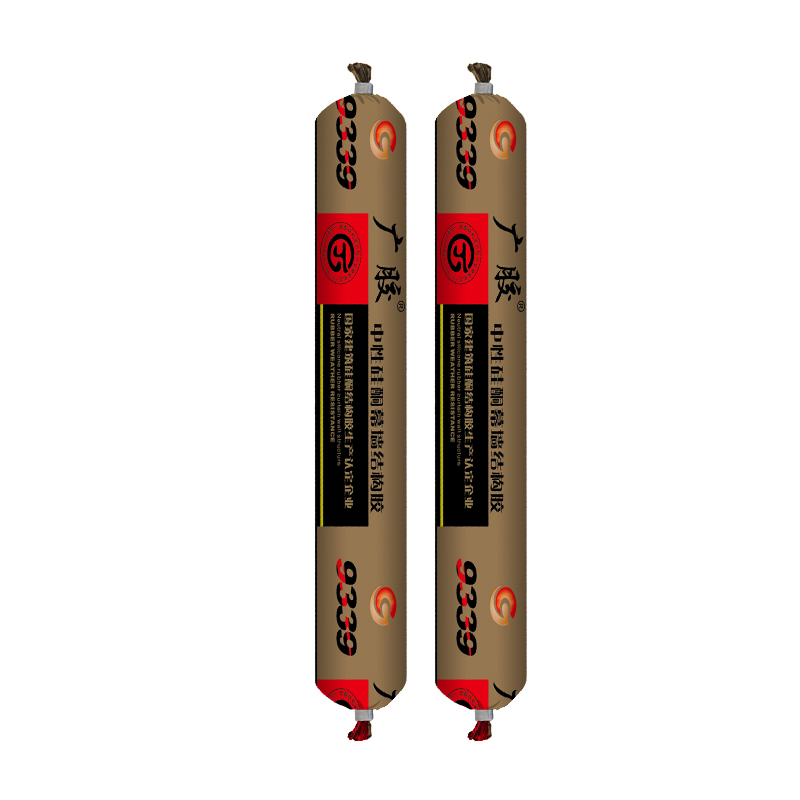
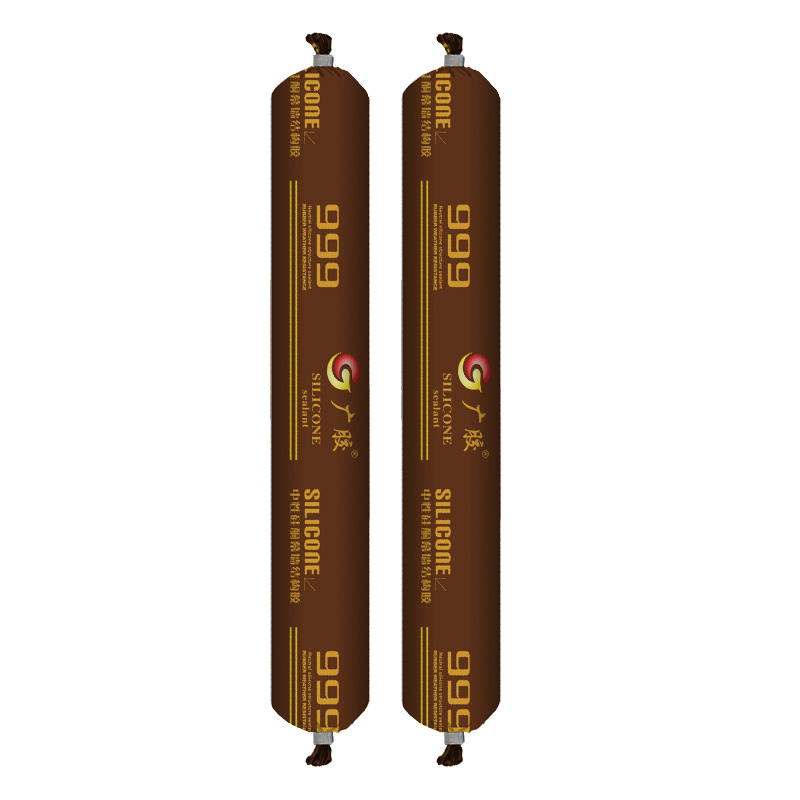
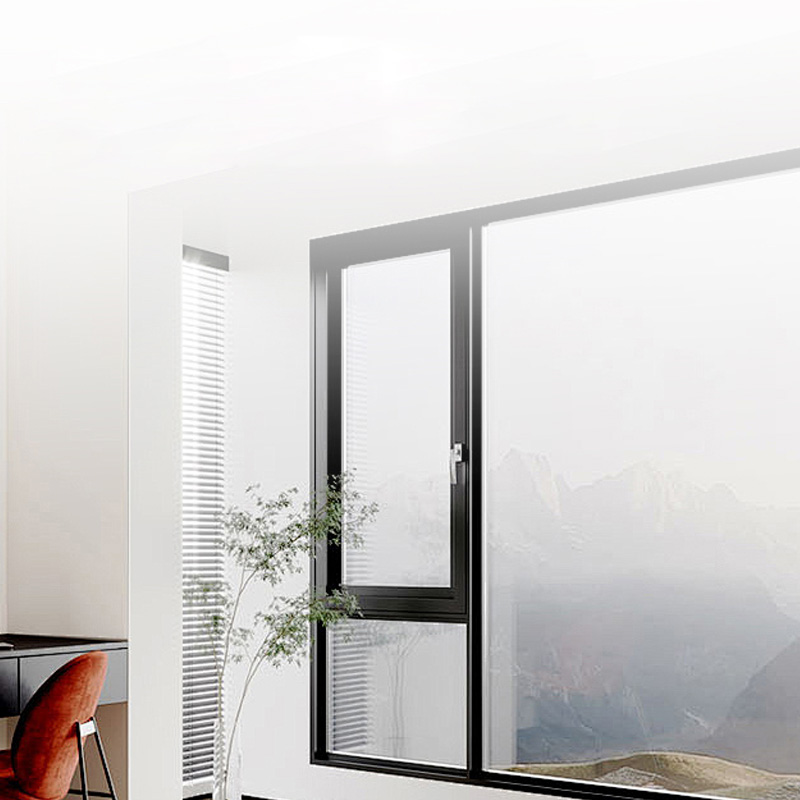 2000 High-Performance Silicone Weatherproof Architectural SealantIdeal for curtain walls and special building areas, this high-grade silicone sealant offers superior aging and weather resistance. Its neutral curing and elastic modulus handle joint displacement, ensuring durable sealing for long-term exposure to UV and extreme weather.View Product →
In solar energy systems, silicone sealants bond and seal junction boxes and module frames. The silicone sealant for solar panel components provides reliable electrical insulation and weatherproofing, ensuring that the panels perform for their full lifetime without frequent maintenance.
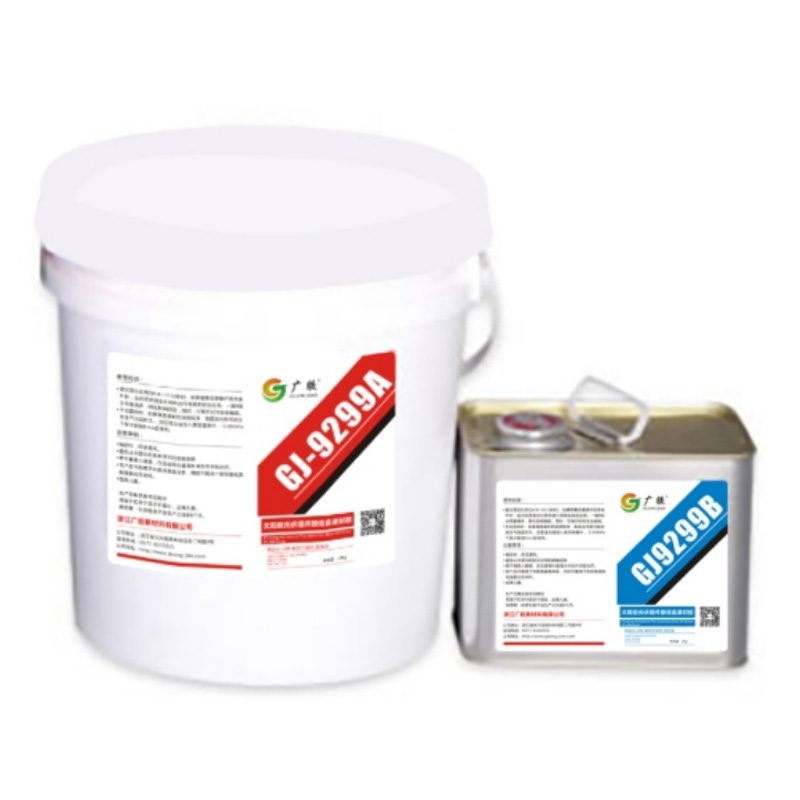
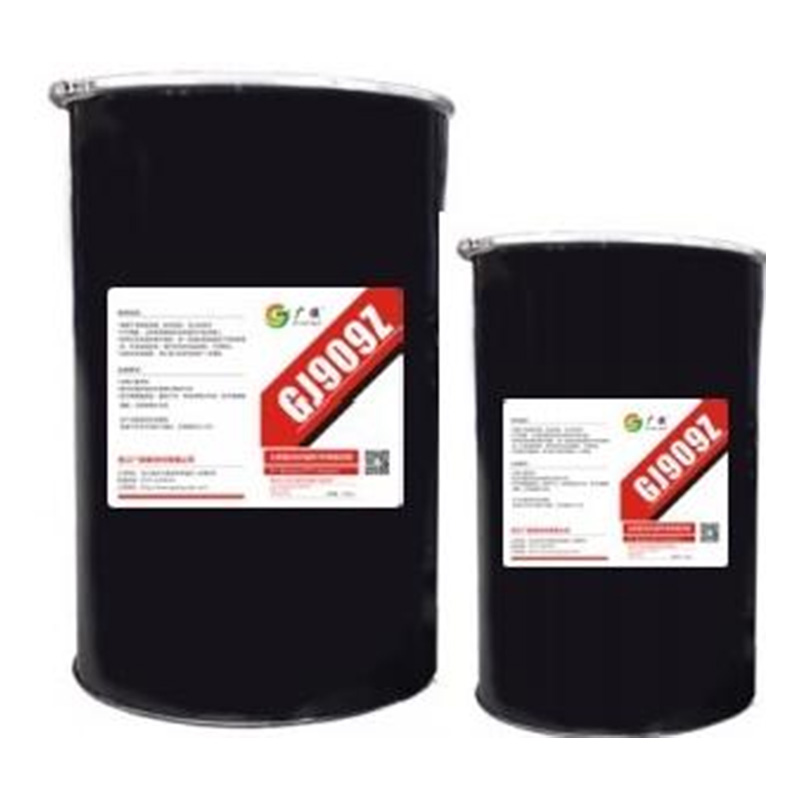 Silicone Sealant for Solar Panel ComponentDesigned for photovoltaic module frames and laminated components, this sealant provides excellent adhesion to aluminum, glass, and backsheets. It ensures electrical insulation and weatherproofing, resisting aging and environmental corrosion to maintain panel performance and longevity.View Product →
Indoor spaces such as bathrooms and kitchens need a sealant that resists mold and maintains a clean finish. The Guangjiao 998 neutral silicone antimildew sealant combines low-odor neutral curing with long-lasting mold resistance, making it a practical choice for sustainable interior renovations.
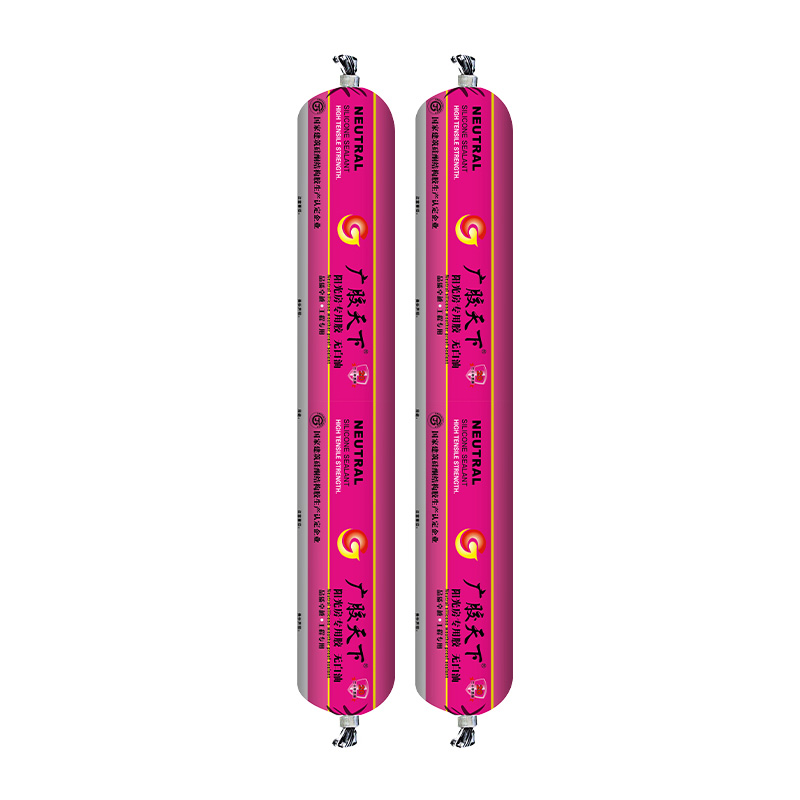
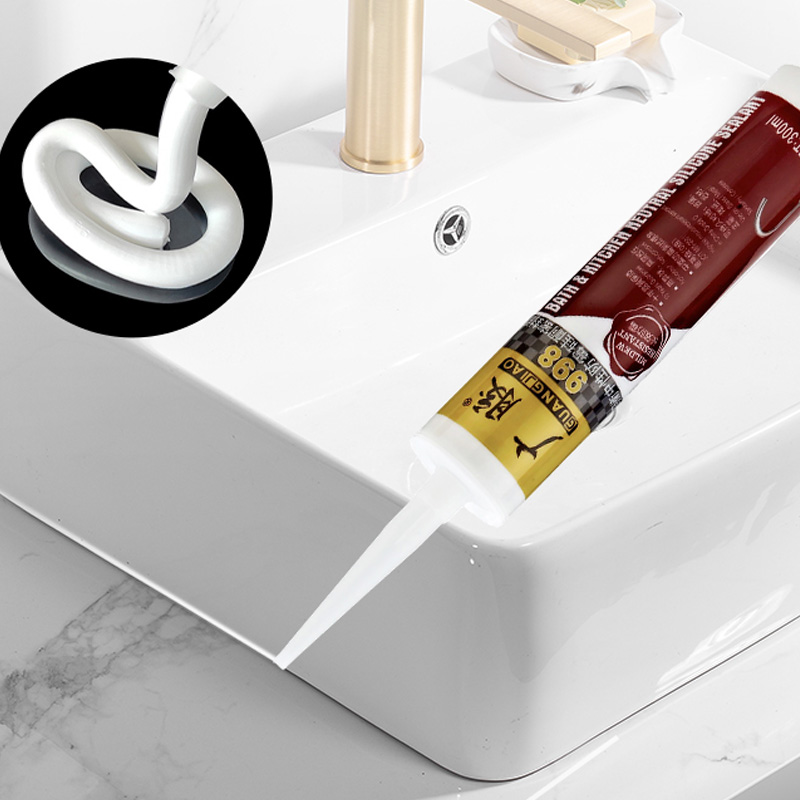 Guangjiao 998 Neutral Silicone Anti-Mildew SealantFor humid interiors like kitchens and bathrooms, this anti-mold sealant inhibits fungal growth and maintains clean joints. Its neutral curing and weathering resistance make it suitable for high-hygiene areas, providing a durable, non-corrosive seal that preserves aesthetics.View Product →
Sustainable silicone sealant is only as credible as the manufacturing behind it. When sourcing, ask for:
If you are comparing suppliers, our guide how to choose a reliable silicone sealant manufacturer covers the key quality checks to request before placing an order.
At Zhejiang Guangjiao New Material Co., Ltd., we operate an in-house laboratory and automated production lines. Our team has served construction, industrial, and photovoltaic sectors for years, and each batch is checked before it leaves the facility.
Yes, when measured over a full service life. Their low VOC content, long durability, and resistance to weather damage mean a properly selected silicone sealant can reduce maintenance and replacement waste compared with many alternatives.
Check the product data sheet for specific values. Many low-VOC silicone sealants have less than 50 g/L of VOC, which is significantly below typical solvent-based sealants. For indoor use, always prefer a neutral-cure product.
Absolutely. High-quality weatherproof silicone sealants are engineered for UV exposure, rain, and temperature cycling. They are a standard choice for curtain walls, windows, and other exterior joints.
Subscribe to our newsletter
Product
Quick Links
contact Us
No. 9, 2nd Road, Huicheling Industrial Park, Heping Town, Changxing County, Huzhou City, Zhejiang Province, China
+86-572-6550355
+86-17769681106


 English
 Français
 Español