Content
An OEM curtain wall fabricator recently stopped a production line because two drums of “identical” sealant cured at visibly different rates. The product name matched. The supplier was the same. Only the batch number differed—and someone on the floor had not checked it. The cost was not the price of two drums. It was three hours of idle workers, a partially assembled unit that had to be disassembled, and a call to an engineer to re-verify the joint design.
For any manufacturer that integrates sealants into a product, the supplier is not just a vendor of chemistry. The supplier is the source of your process stability. Whether you should trust a “leading” claim is not found on a marketing website. It is found in how the supplier controls batch data, documents outgoing quality, and handles your application-specific requirements.
The short answer: A leading sealant supplier for OEM manufacturing is defined by process control and documentation, not by sales volume or brand recognition. If you evaluate only product datasheets, you are buying a promise. If you evaluate the manufacturing process, you are buying a predictable supply.
A leading supplier for OEM manufacturing is the one that delivers the same material, with the same properties, in the same packaging, batch after batch—for years. This consistency is a function of several specific capabilities that any OEM buyer should verify.
Three capabilities matter most: batch consistency, traceability, and engineering support. When these are present, the supplier becomes an extension of your production quality system rather than an outside variable.
| Criteria | What To Verify | Impact On Your Production |
|---|---|---|
| Raw material control | Incoming polymer, filler, and crosslinker test records | Prevents batch creep or cure drift that changes line speed |
| Cure profile | Extrusion rate, tack-free time, and full cure time per batch | Ensures your automation can maintain consistent dwell time |
| Substrate compatibility | Tested against glass, aluminum, coated metals, and plastics | Prevents adhesion failure months after shipment |
| Packaging | Cartridge, sausage, pail, or drum with clear batch labeling | Fits your dispensing system and inventory code |
| Supply continuity | Raw material inventory, backup capacity, and lead time | Prevents line stoppage due to material shortage |
Leading sealant suppliers for OEM manufacturing typically carry both acetoxy and neutral-cure silicone lines. Acetoxy sealants cure fast and bond well to glass, but release acetic acid, which can corrode metals and react with certain coatings. Neutral-cure formulations are the safer default for most mixed-material assemblies.
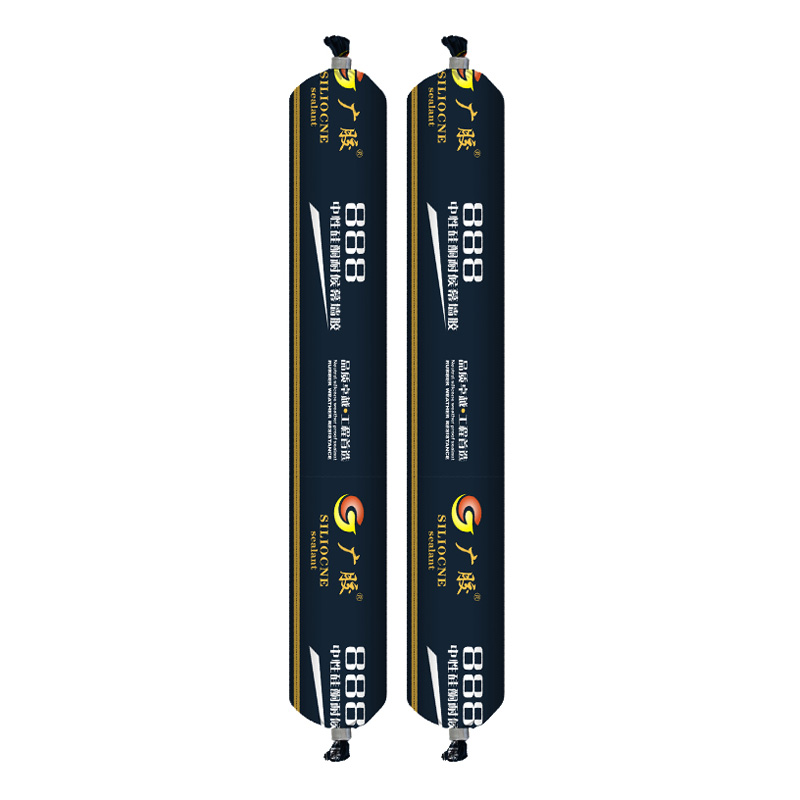
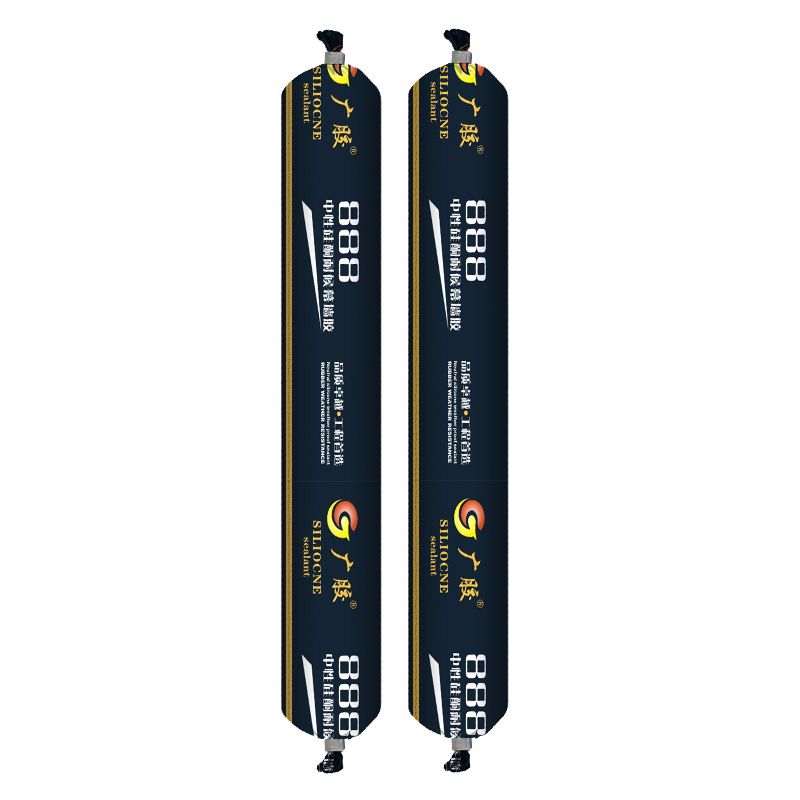
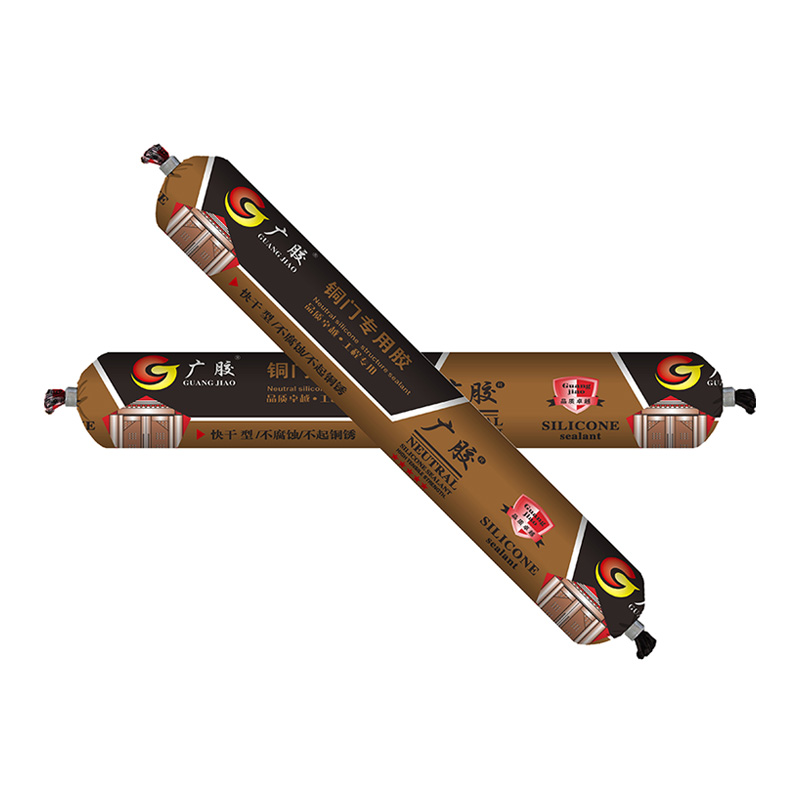
For curtain wall structural glazing, the sealant is a load-bearing component. It must hold glass under wind load and thermal movement for decades. A neutral silicone curtain wall structural sealant with structural glazing designation provides high tensile strength and is tested to building codes.
 999 Neutral Silicone Curtain Wall Structural Sealant for GlazingA single-component, neutral-cure structural sealant for curtain wall joints, providing high tensile strength and long-term weather resistance. Tested to building codes, it ensures secure bonding of glass and metal under wind load and thermal movement.View Product →
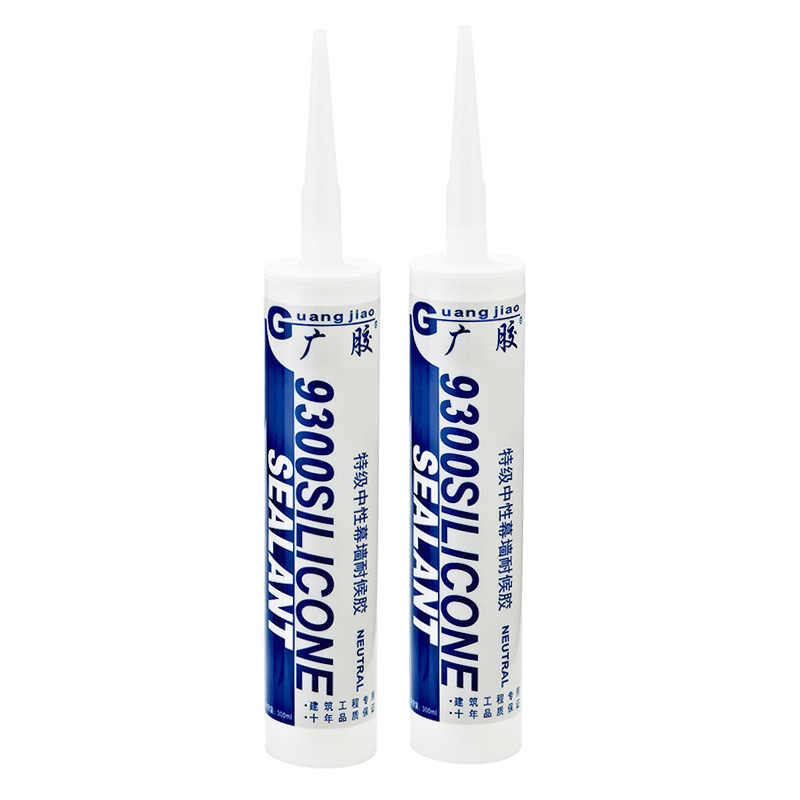
In photovoltaic module assembly, the sealant faces UV exposure, elevated temperatures, and moisture ingress. A silicone sealant for solar panel components is formulated for 25-year service life and low outgassing.
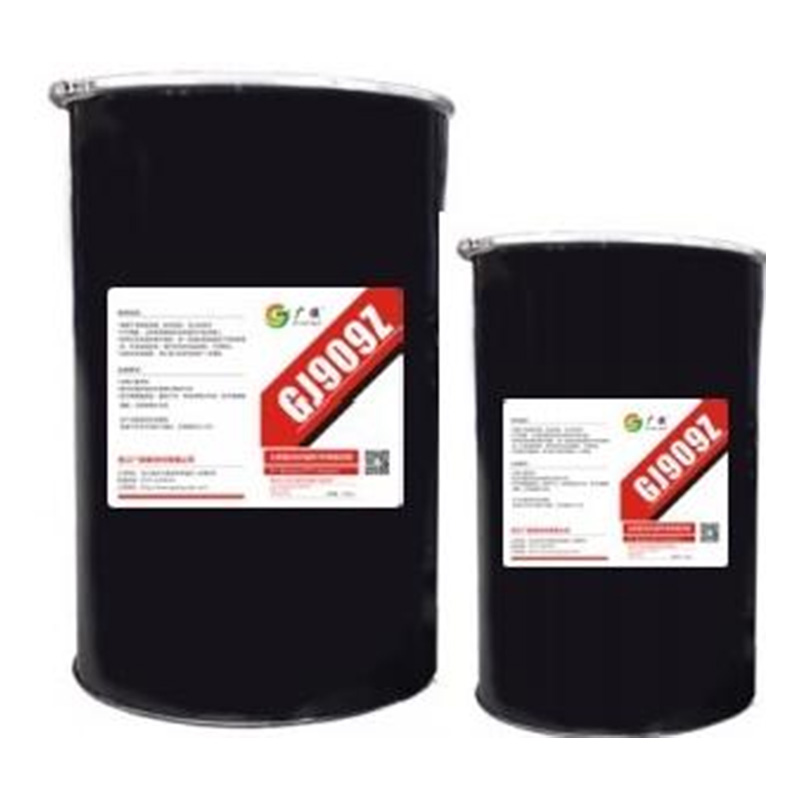 GJ909 Silicone Sealant for Solar Photovoltaic Module AssemblySpecialized silicone sealant for bonding aluminum frames and laminated components in solar modules. Offers excellent adhesion to glass and backsheets, with aging resistance and electrical insulation, meeting IEC61215 standards for long-term reliability.View Product →
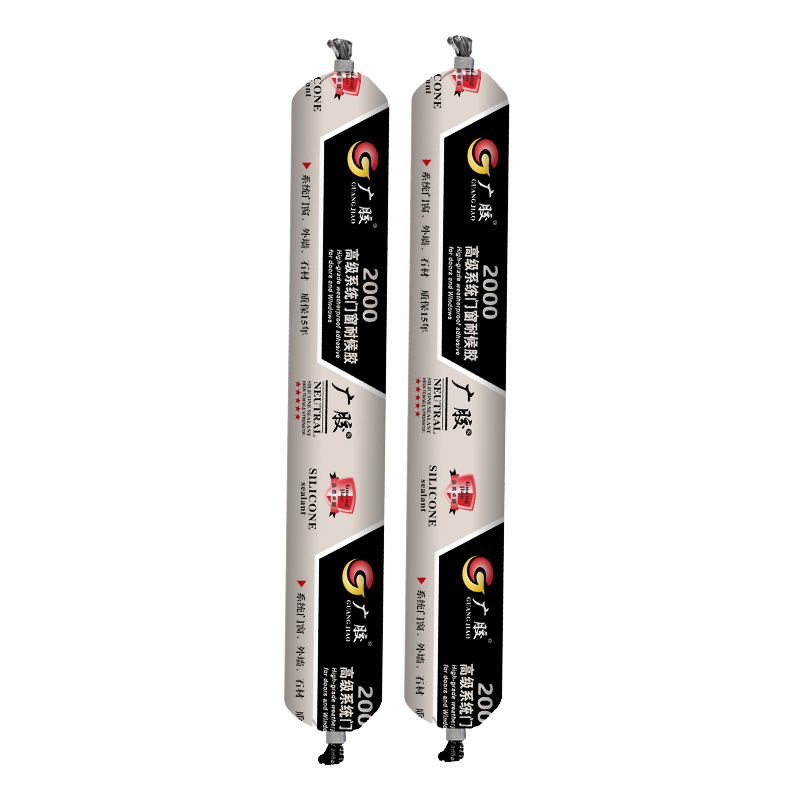
For architectural joints, the material needs to stay elastic through repeated expansion and contraction. A high-performance silicone weatherproof architectural sealant with 50% movement capability is the workhorse of facade weatherproofing.
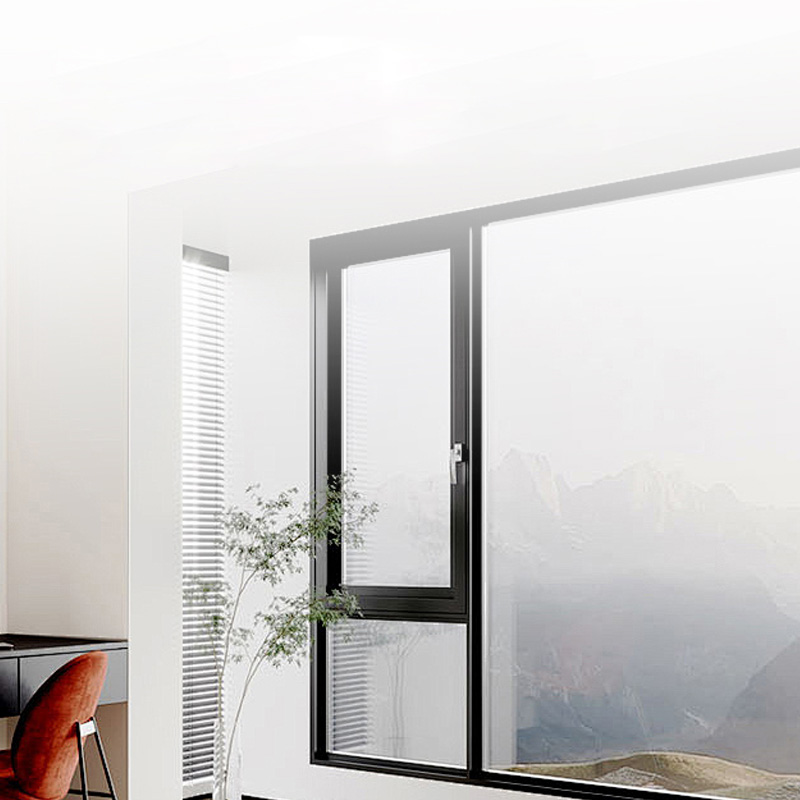 2000 High-Performance Silicone Weatherproof Architectural SealantA high-grade silicone weatherproofing sealant with neutral cure and enhanced durability. Its optimized elastic modulus accommodates significant joint movement, making it suitable for high-standard curtain wall and building facade weatherproofing applications.View Product →
These three application families cover most OEM programs. The right supply partner will help you map each product to the correct chemistry instead of promoting a one-size-fits-all material.
An OEM purchasing team should not sign with a sealant supplier on the basis of a datasheet and a sample bottle. Here is the five-check sequence we recommend.
These checks take days, but they prevent years of field issues. Think of it as a short-term investment in long-term process reliability. If you need more detail on this step, the process of choosing a reliable silicone sealant manufacturer covers the same evaluation in a practical format.
Not every OEM line is the same. Matching sealant chemistry to your specific assembly is where a leading supplier earns its position.
| OEM Application | Recommended Chemistry | Critical Requirement |
|---|---|---|
| Curtain wall / structural glazing | Neutral structural silicone | 1.4 MPa tensile strength, 50% movement, structural glazing designation |
| Solar panel module assembly | Photovoltaic silicone | UV and heat resistance, 25-year service life, low outgassing |
| Cold storage construction | Neutral cure silicone | Flexibility at low temperatures, moisture barrier, cold-weather cure |
| Clean room projects | Low-emission silicone | Low gas emission, non-supporting microbial growth, cleanability |
For cold storage facilities, the envelope is exposed to constant freezing and thawing cycles. The sealant must remain flexible at −40°C and resist condensation. Choosing sealants for cold storage construction means looking beyond standard outdoor products and focusing on low-temperature performance. Similar logic applies to clean room environments, where gas emission and microbial resistance are the deciding parameters.
ISO 9001 is the baseline. For building applications, look for a structural glazing designation and proof that the factory has passed national quality inspections. If the supplier serves specific industries, ask for any relevant industry-specific approvals such as photovoltaic or clean room testing.
Ask for the last three production batch records and compare cure time, hardness, tensile strength, and extrusion rate. The supplier should be willing to share this data. In a real leading operation, these numbers are measured, logged, and traceable.
Structural sealant transfers load and holds panels in place—it is a structural component. Weatherproofing sealant is a secondary barrier that handles water and air infiltration while allowing movement. They are not interchangeable.
Color matching can take two to four weeks. A modified cure profile or packaging change can take six to eight weeks. A leading supplier will tell you the timeline up front instead of overpromising.
Yes, if they carry both acetoxy and neutral-cure lines plus application-specific grades. This streamlines your audit process because you can qualify one quality system instead of four.
Selecting a leading sealant supplier for OEM manufacturing comes down to one question: can the supplier make your production predictable? Beyond price and product datasheets, they need to demonstrate batch consistency, traceability, and application knowledge.
When visiting or auditing a supplier, ask to see the lab, request batch records, and test on your own substrates. The supplier that opens its process to inspection is the supplier that is confident in it. That is the kind of partner worth qualifying for your production line.
Subscribe to our newsletter
Product
Quick Links
contact Us
No. 9, 2nd Road, Huicheling Industrial Park, Heping Town, Changxing County, Huzhou City, Zhejiang Province, China
+86-572-6550355
+86-17769681106


 English
 Français
 Español