Content
You have just finished running a fresh bead of silicone around a bathtub rim, and the clock is already ticking. Maybe you sealed an exterior joint this morning and a thunderstorm is on the way. The question is always the same: how long before I can actually use this?
The short answer is that most silicone caulks form a dry skin in 20 to 30 minutes but require 24 to 48 hours to fully cure. Acrylic latex caulk may become paintable in under an hour, but it can take up to 7 days to reach full strength. The exact timeline depends on the chemistry of your sealant, the bead depth, temperature, humidity, and airflow. This guide breaks down the numbers and tells you exactly when it is safe to get back to your normal routine.
People often use the terms drying and curing as if they were the same thing. For sealants, however, they describe two completely different stages in the material's life.
Drying is the stage where the surface of the sealant forms a skin. The bead becomes non-sticky to the touch and will not pick up dust or fingerprints. This is commonly called the tack-free time. For most silicone sealants, skin formation occurs within 10 to 30 minutes depending on ventilation, temperature, and the exact formula. During this window the bead is still soft inside, so you should not put any weight or stress on the joint.
Curing is the process where the sealant polymerizes into a solid, elastic rubber. Moisture in the air reacts with the polymer chains, cross-linking them into a flexible, waterproof product. This chemical reaction is why silicone sealants remain durable for years once fully cured. Full cure normally takes 24 to 48 hours for most neutral-cure silicone products, while thick beads can continue curing for 7 to 10 days. For a deeper look at the curing process and how to apply a bead correctly, see our guide on how to apply, cure, and work with silicone sealants.
Different sealant chemistries behave very differently. The table below gives typical skin-time and full-cure ranges for common caulk types used in DIY and construction projects.
| Caulk Type | Skin / Touch-Dry | Full Cure |
|---|---|---|
| Acrylic latex caulk | 20-30 minutes | 3-7 days |
| Siliconized latex caulk | 20-30 minutes | Up to 7 days |
| 100% silicone caulk | 10-30 minutes | 24-48 hours |
| Fast-cure silicone sealant | 5-15 minutes | 12-24 hours |
| Polyurethane caulk | 1-4 hours | 24-48 hours |
| Butyl rubber caulk | 2-4 hours | 1-7 days |
Silicone is the most common sealant in bathroom, glazing, and curtain-wall work. Here is what a standard neutral-cure silicone formula usually looks like over the first two weeks:
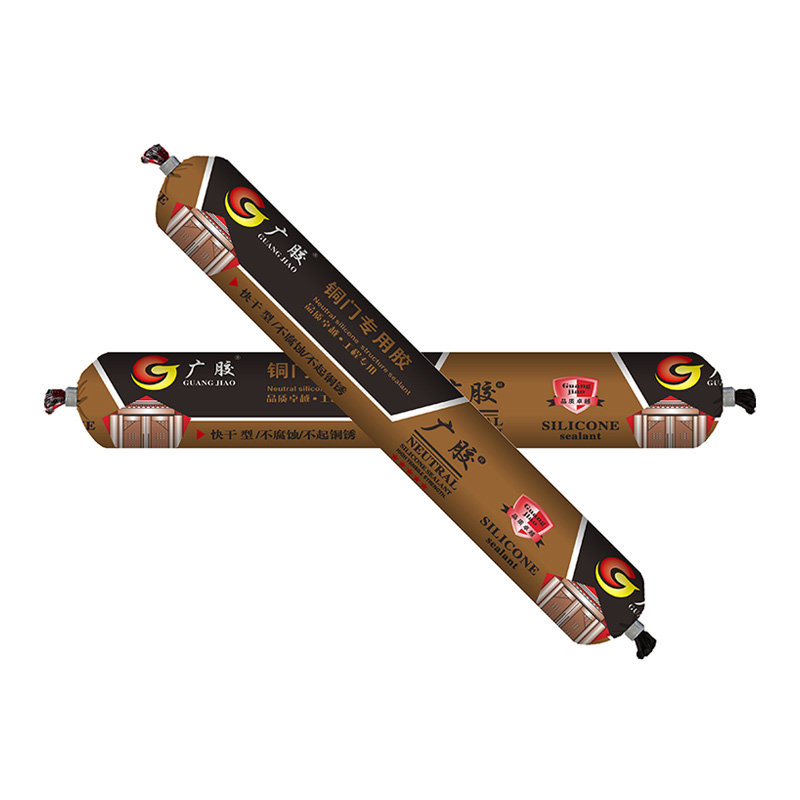
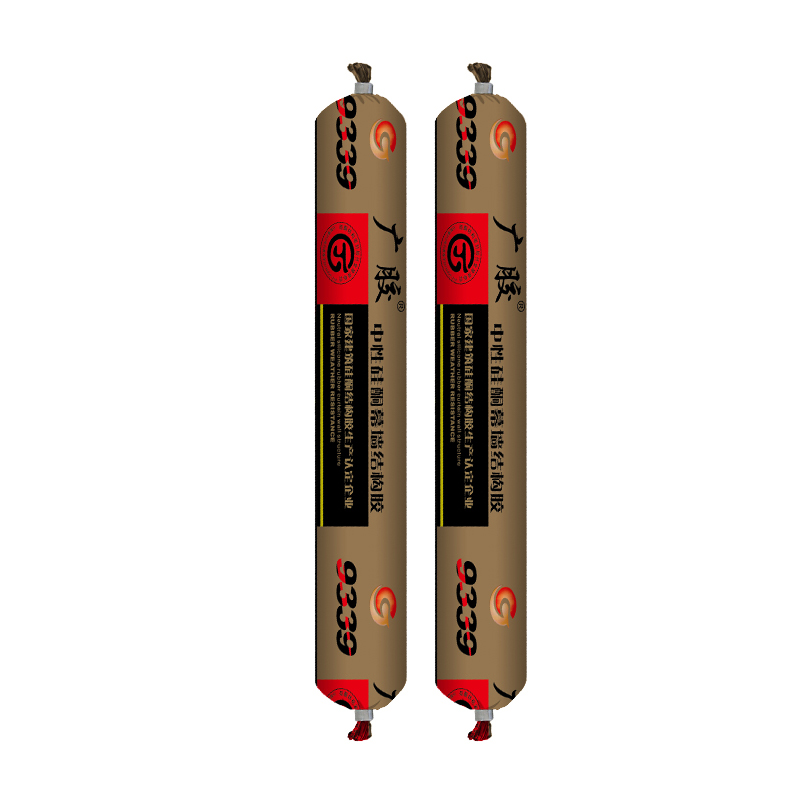
If your schedule is tight, consider a product engineered for faster turnaround. The 995 Fast Cure Neutral Silicone Construction Sealant is designed to deliver a tack-free surface in under 15 minutes and a full cure within about 24 hours, which makes it a practical choice for projects that need to move quickly.
 995 Fast Cure Neutral Silicone Construction Sealant for Quick ProjectsThis one-component neutral silicone sealant cures tack-free in under 15 minutes and fully within 24 hours, making it ideal for fast-moving construction tasks where time is critical and rapid strength development is needed.View Product →
Your working environment matters just as much as the product itself. These four variables influence whether a bead cures in 12 hours or takes nearly a week:
For silicone sealants, moisture in the air is an active part of the cure chemistry. High humidity accelerates the reaction, which is why silicone typically cures faster in a steamy bathroom than in a dry, air-conditioned office. Water-based acrylic latex behaves differently: it needs moisture to evaporate, so very high humidity can slow it down.
Cure speed rises with temperature. A silicone bead at 25°C cures noticeably faster than the same bead at 10°C. Below 5°C the reaction slows to a near stop, and below freezing most water-based sealants can freeze before they cure.
Good ventilation is the easiest cure accelerator. A steady stream of fresh air removes evaporation products and supplies fresh moisture, speeding up skin formation. After applying sealant, open a window or switch on a fan.
Thick beads take much longer to cure because moisture has to diffuse through the entire cross-section. A 3 mm bead will cure much faster than a 12 mm bead. For wide joints, use a backer rod to reduce the depth and apply only the top layer of sealant. In structural applications where movement is a concern, an elastic joint expansion sealant is designed to handle dynamic loads while maintaining a manageable bead depth.
This is the part most people actually care about. Here are practical windows for common situations:
Shower or tub: wait at least 24 hours after the final bead before letting water hit the joint directly. For extra protection, wait 48 hours. This gives the silicone enough time to develop a solid bond and become water-resistant.
Exterior joints before rain: plan for 12 to 24 hours of dry weather after sealant application. In cooler or more humid conditions, extend the window to 48 hours.
Painting over caulk: acrylic latex caulk can usually be painted after 30 to 60 minutes. Most silicone sealants are not paintable at all, so check the label before applying paint.
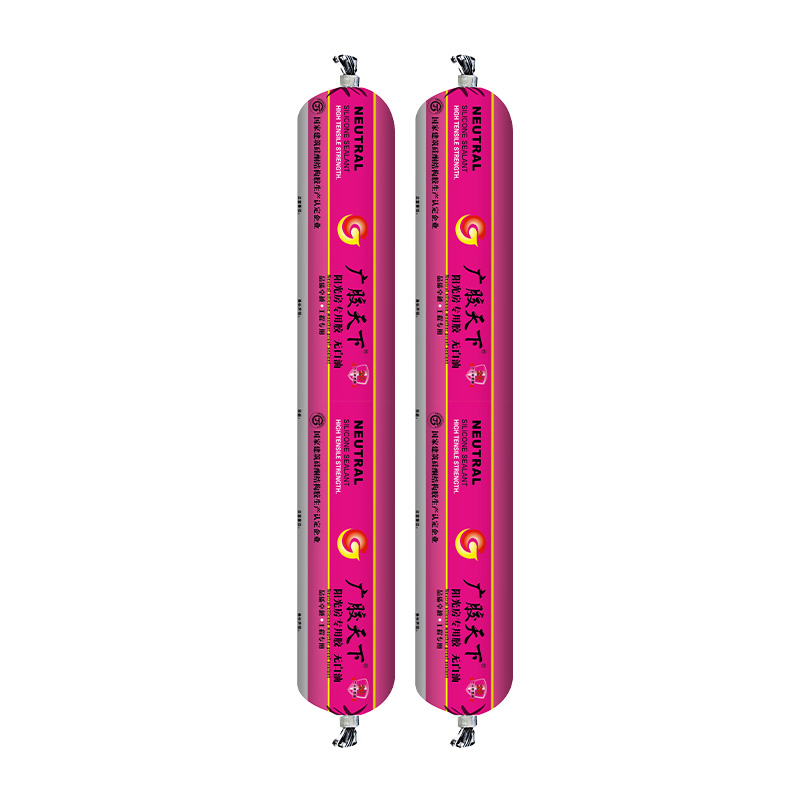
In wet rooms such as bathrooms and kitchens, the formula matters as much as the wait time. A mildew-resistant product like the 998 Neutral Silicone Antimildew Sealant helps prevent mold growth in constantly humid environments, even before the joint finishes curing.
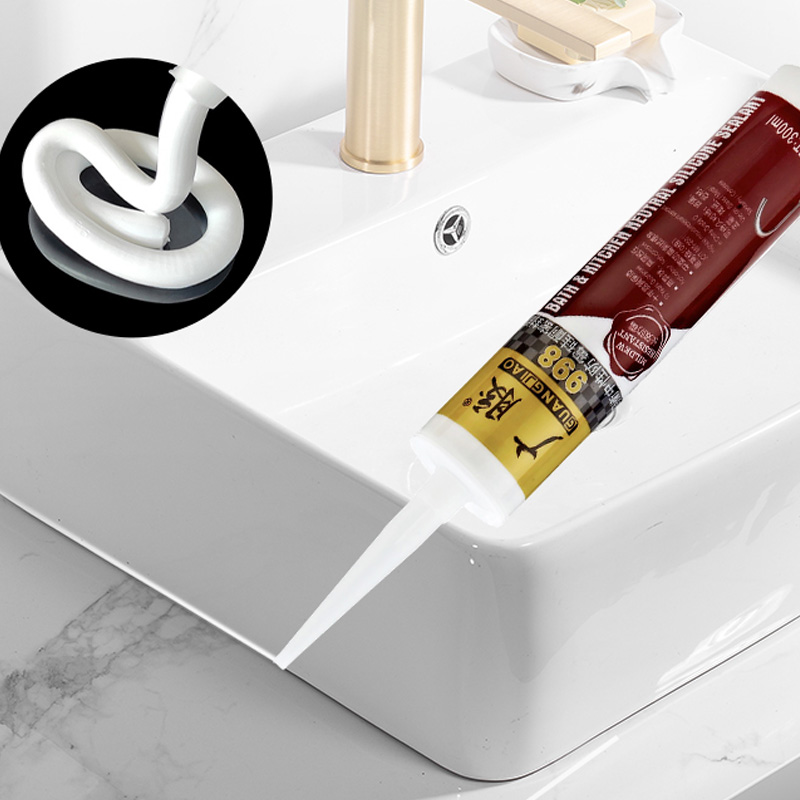 998 Neutral Silicone Anti-Mildew Sealant for Humid EnvironmentsFormulated with a special anti-mold agent, this neutral-curing silicone helps prevent mold growth in bathrooms and kitchens, providing a durable, weather-resistant seal that keeps joints clean over time.View Product →
If you are pressed for time, you can shorten skin-time and full-cure time with a few simple steps:
Do not aim a hair dryer at a fresh bead. Direct heat can cause blisters, cracks, or foaming, and it can seal the surface while the interior is still wet, trapping moisture that later escapes and damages the joint.
Even with the right product, small errors can extend cure time and compromise the joint. Here are the mistakes we see most often:
| Mistake | Result | Prevention |
|---|---|---|
| Overworking the bead | Soap or water trapped under the skin extends cure time | Tool the bead once, then leave it alone |
| Applying too much sealant | Thick bead takes days to cure in the centre | Use a backer rod and keep depth under 8 mm |
| Sealing in wet or cold weather | Surface cures quickly but adhesion is compromised | Check the forecast; maintain a 5-27°C application range |
| Using a shower too soon | Water penetrates the uncured joint and causes mildew | Wait 24-48 hours before water exposure |
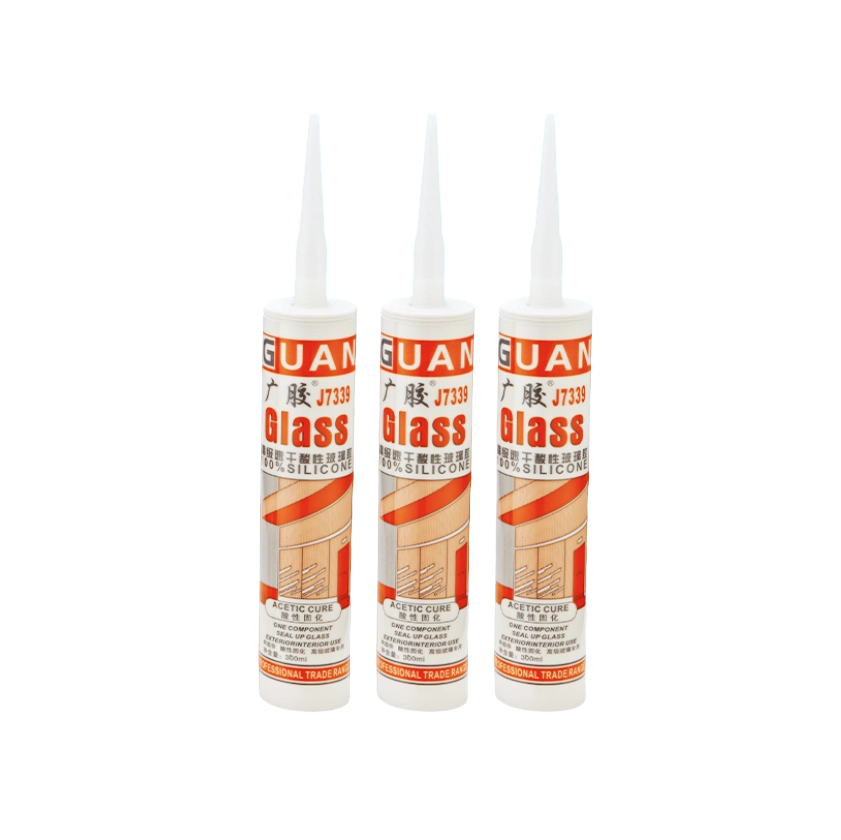
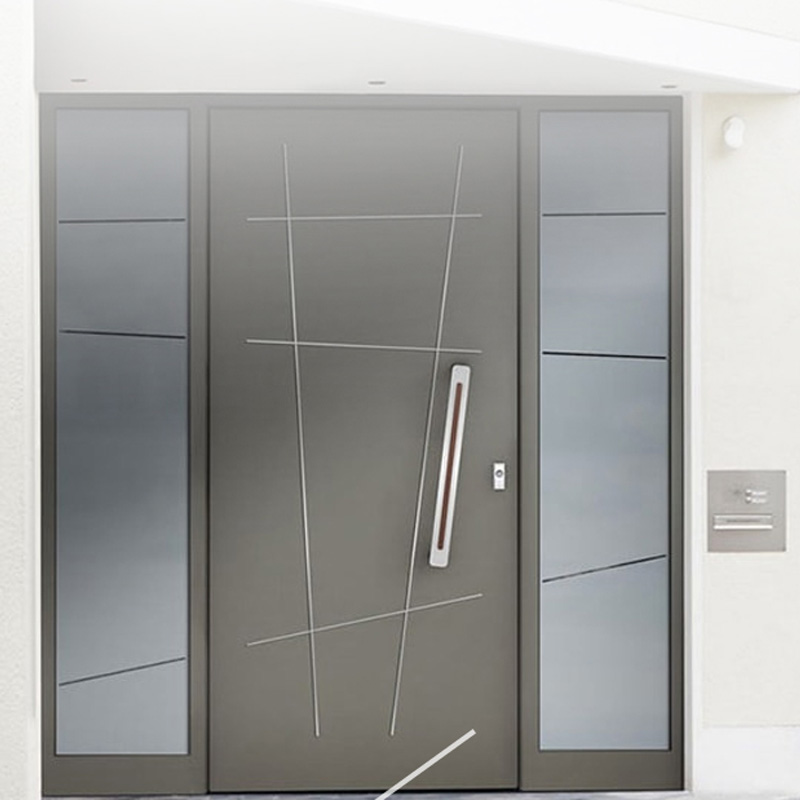
In dynamic joints that are expected to expand and contract, the sealant needs enough cure time to develop flexibility. For projects that require glass bonding with a fast-setting cure, the J5339 High-Grade Fast Cure Acidic Silicone Glass Adhesive is formulated to deliver a rapid, structural bond on glass and other non-porous surfaces.
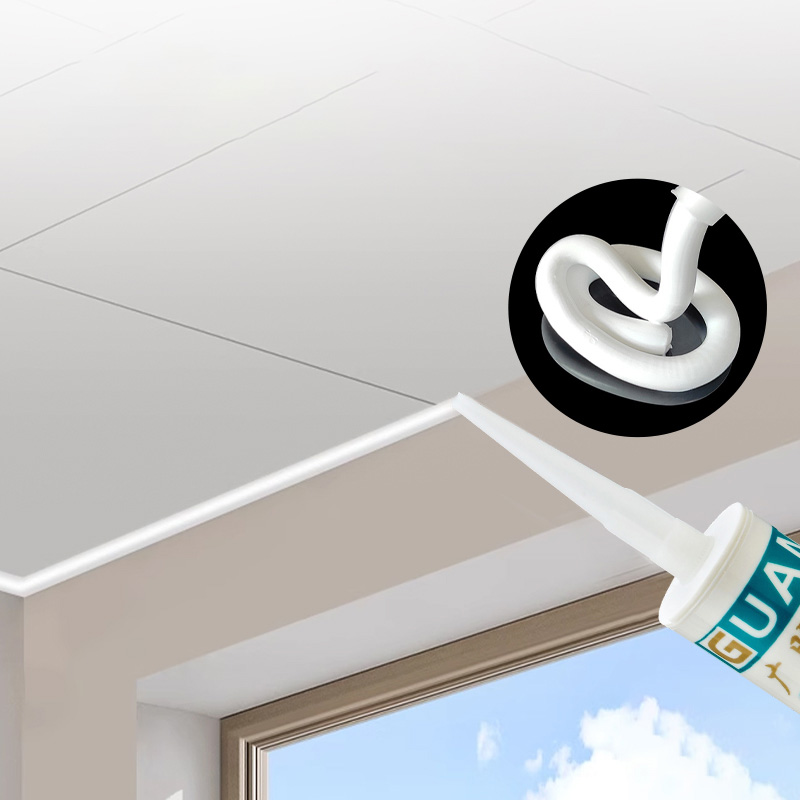 J5339 High-Grade Fast Cure Acidic Silicone Glass AdhesiveThis acid-curing silicone adhesive bonds quickly to glass and aluminum, offering high tensile strength for dynamic joints. It suits glazing projects where rapid cure and long-term weathering resistance are essential.View Product →
Most silicone caulk reaches a tack-free surface in 20 to 30 minutes, but you should wait a full 24 hours before letting water hit the bead. For bathtub and shower areas, 48 hours is the safe recommendation.
For silicone, warmer temperatures speed up the cure reaction. However, extreme heat above 50°C can cause the sealant to blister or crack. For acrylic latex caulk, high humidity slows drying because the water needs to evaporate.
No. Direct heat can cause blisters, holes, or cross-linking failure. Instead, improve airflow and maintain a moderate room temperature to help the cure process safely.
Check the bead depth first. A thick bead in a cold or poorly ventilated room can remain tacky for several days. Also, confirm that you used the correct cure type for the environment, and that the substrate was completely dry and clean.
Acrylic latex caulk is generally paintable after 30 to 60 minutes. Most silicone sealants are not paintable at all, and painting before the silicone skins over can ruin both the paint and the sealant.
The best advice is to respect the two different timeframes: skin time and full cure. Skin time tells you when the bead is safe to touch. Full cure tells you when it is ready for water, movement, and weather. In most cases, wait 24 to 48 hours before using the area normally.
Always check the technical data sheet for your product, because cure times vary by chemistry, bead depth, and environment. When you select a sealant, plan around the cure time and match it to your schedule. A reliable manufacturer publishes realistic cure data, so you know exactly when the job is done.
Subscribe to our newsletter
Product
Quick Links
contact Us
No. 9, 2nd Road, Huicheling Industrial Park, Heping Town, Changxing County, Huzhou City, Zhejiang Province, China
+86-572-6550355
+86-17769681106


 English
 Français
 Español